

♥ Wishlist
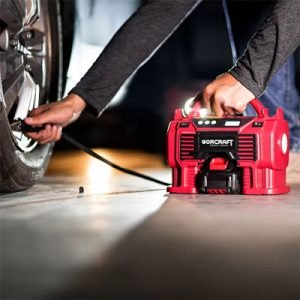
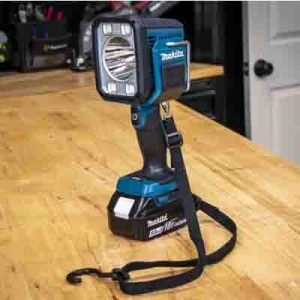
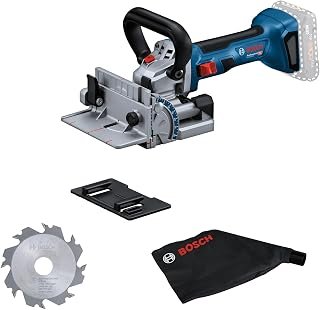
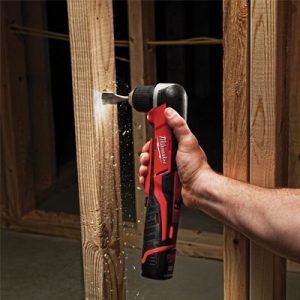
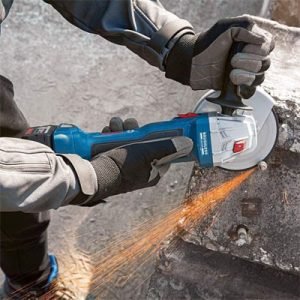
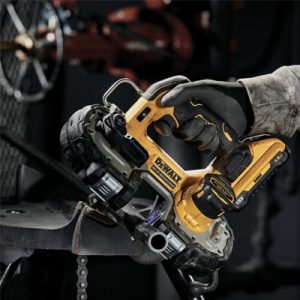
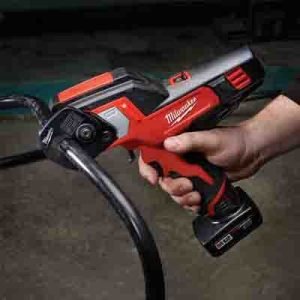
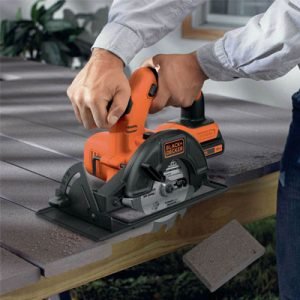
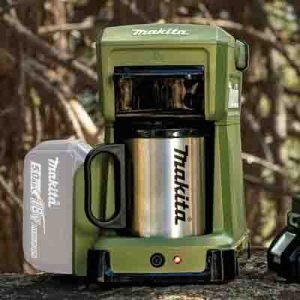
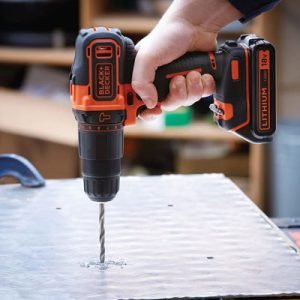
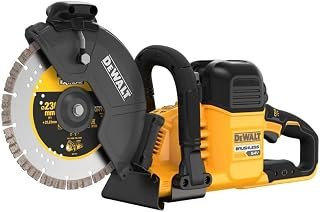
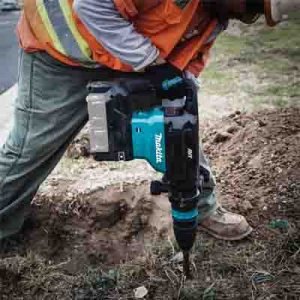
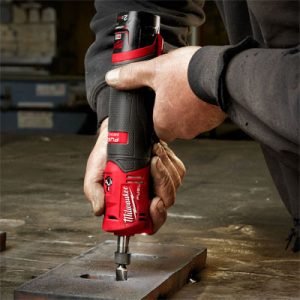
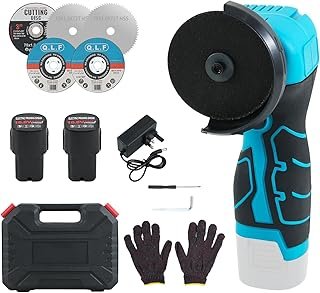
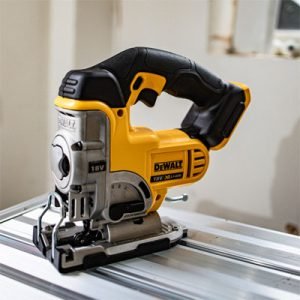
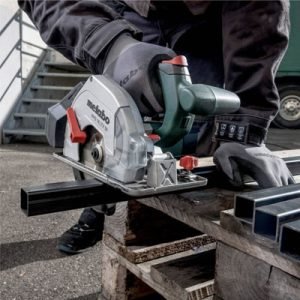
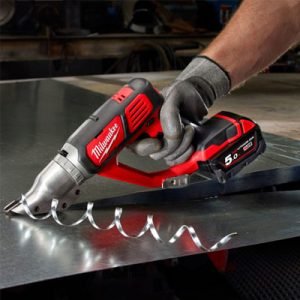
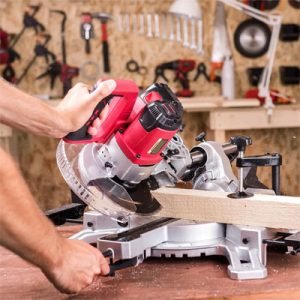
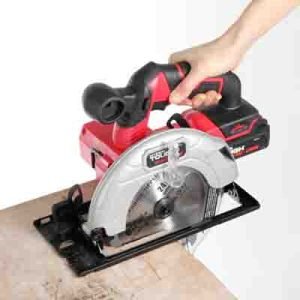
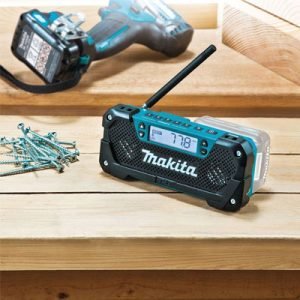
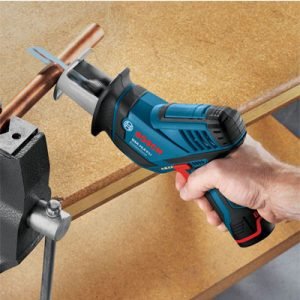
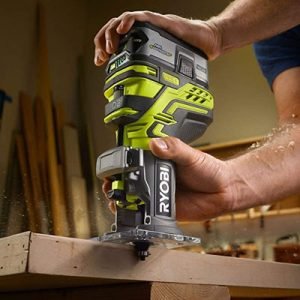
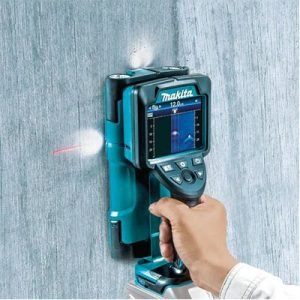
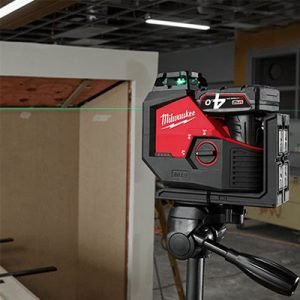
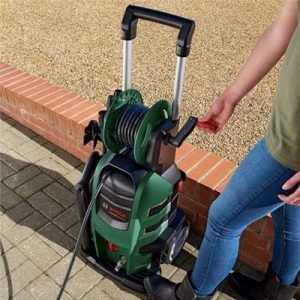
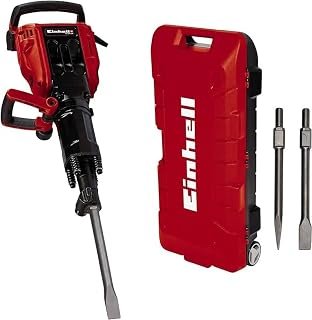
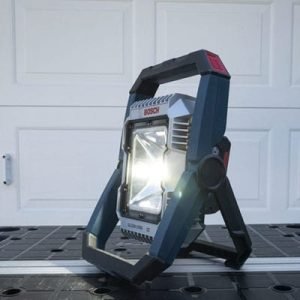


Cordless power tools are a practical choice for UK DIY enthusiasts, tradespeople, installers, maintenance workers and professionals who need reliable equipment without being tied to a mains cable. Battery-powered tools can make it easier to move around a workshop, garden, construction area or renovation site while keeping the work area less cluttered. The cordless category covers a wide range of equipment, so choosing the right tool starts with understanding the job you need to complete.
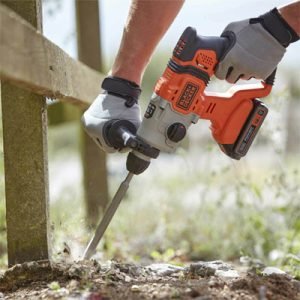
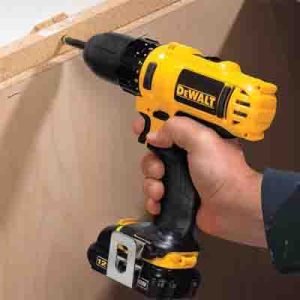
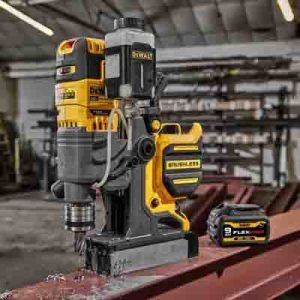
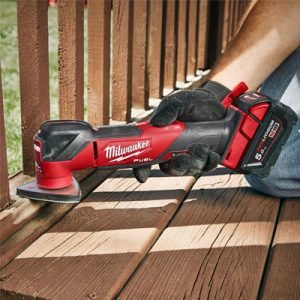
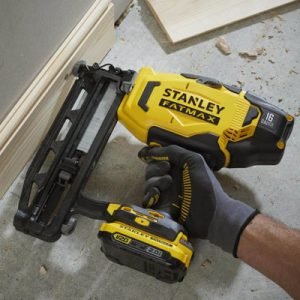
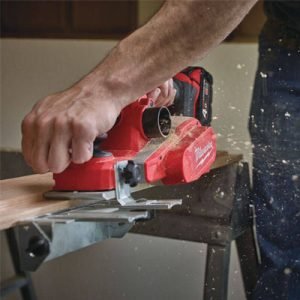
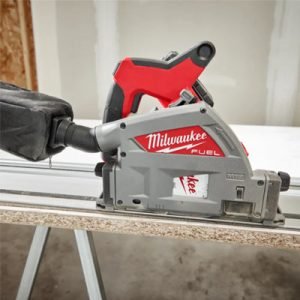
For drilling and screwdriving, cordless drills and combi drills are versatile options for assembling furniture, installing fixtures, making pilot holes and handling general maintenance. For heavier drilling applications, cordless rotary hammers can provide additional impact performance where suitable. If cutting is the priority, cordless circular saws, reciprocating saws, jigsaws and mitre saws can help tackle different materials and cutting requirements. Other popular options include cordless angle grinders, multi-tools, sanders, planers, nail guns and metal-cutting equipment.
The main advantage of cordless equipment is freedom of movement. Without a mains lead running back to a socket or extension reel, you can position yourself more easily around a workpiece and move between tasks quickly. This can be particularly useful when working outdoors, inside unfinished properties or in areas where electrical access is limited.
Modern cordless tools are also available in compact formats that can be convenient for overhead work, installation tasks and jobs where portability matters. When comparing options, consider the tool's intended application, battery voltage, runtime, charging requirements, weight, ergonomics and available accessories. A tool that feels comfortable in the hand can be especially important when a project involves repeated drilling, fastening, sanding or cutting.
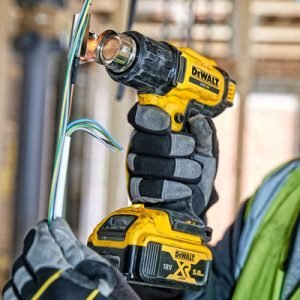
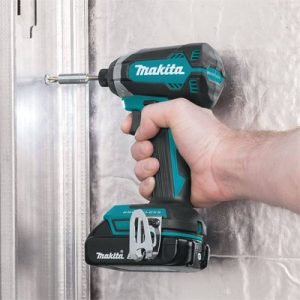
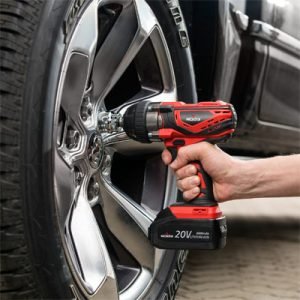
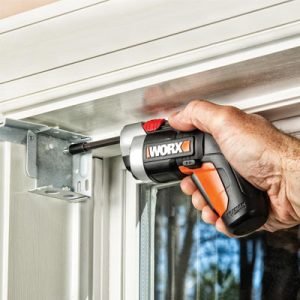
Drills and impact drivers are useful for general construction, furniture assembly, repair work and installation. Look for suitable torque settings, speed control, chuck compatibility and battery capacity according to the jobs you regularly undertake.
Circular saws, jigsaws, reciprocating saws and mitre saws each suit different cutting applications. Consider cutting depth, blade compatibility, bevel capability and the material you intend to cut before selecting a saw.
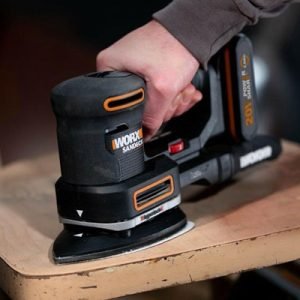
Battery-powered sanders can help with surface preparation and finishing, while cordless planers are designed for controlled material removal from timber. Dust collection and comfortable handling can be important considerations for longer jobs.
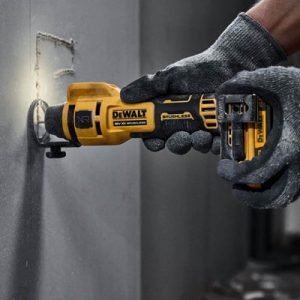
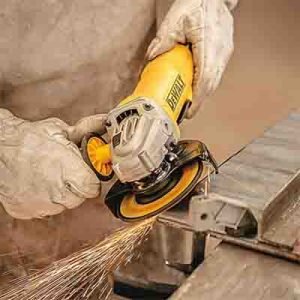
Angle grinders can be used for suitable grinding, preparation and cutting applications when fitted with the correct accessory. Oscillating multi-tools are useful for detailed cutting, trimming, scraping and awkward access work.
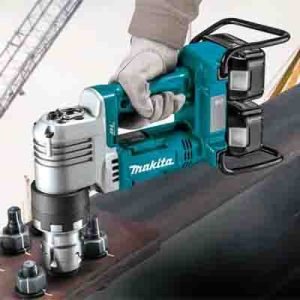
For suitable installation and construction tasks, cordless nail guns can offer fast fastening without the need for a compressor and air hose. Specialist cordless tools can also include metal shears, metal-cutting saws and other equipment designed around particular applications.
Start by identifying the work you expect the tool to perform most often. Check the manufacturer's specifications for power, speed, capacity and recommended applications rather than choosing solely on battery voltage. Runtime is another important factor. Higher-capacity batteries may support longer periods between charges but can add weight to the tool.
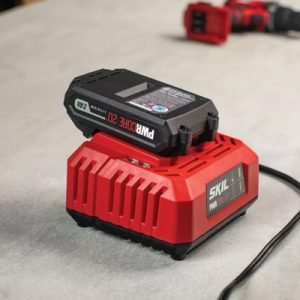
If you already own compatible batteries from a particular tool platform, staying within that battery ecosystem can be convenient. It may allow you to share batteries and chargers between compatible tools, reducing the number of chargers and spare batteries required. Always check compatibility carefully because batteries are not universally interchangeable between brands or product ranges.
For frequent professional use, durability, ergonomics, serviceability and accessory availability may deserve greater priority. For occasional DIY projects, a compact tool with sensible specifications may be sufficient. Also consider whether the product is supplied as a bare tool or as a kit containing batteries and a charger, as this can significantly affect the overall value and what you need to purchase separately.
UK shoppers use cordless tools for a wide range of projects, including home improvement, woodworking, property maintenance, installation, renovation and construction. Whether you are assembling cabinets, building timber structures, fitting shelves, preparing surfaces or carrying out repairs, choosing equipment that matches the task can improve efficiency and control.
Safety should always remain a priority. Use the correct accessory for the material and application, follow the manufacturer's instructions and wear appropriate protective equipment. Before operating a cutting, grinding, drilling or fastening tool, make sure the workpiece is secure and that you understand the operating procedure. Battery-powered does not mean risk-free, so careful handling is essential.
When comparing cordless power tools, focus on the features that matter for your intended work rather than simply selecting the most powerful specification. Compare tool type, performance, battery capacity, weight, included accessories, charging arrangements and compatibility with any battery platform you already use. This approach can help you choose equipment that fits both your projects and working habits.
Explore the cordless power tools category to compare equipment for drilling, cutting, fastening, sanding, planing and specialist applications. With the right combination of tool, battery and accessories, cordless equipment can provide a flexible solution for projects around the home, workshop, garden and job site.
Discover cordless power tools designed to make drilling, cutting, sanding, fastening and other jobs easier without the restriction of a mains cable. From everyday DIY tasks to demanding renovation and trade projects, battery-powered tools offer flexible operation, convenient handling and the freedom to work where a power socket is not close by.