

♥ Wishlist
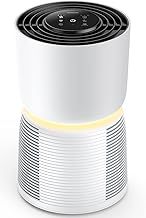


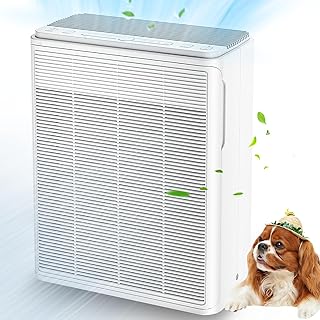


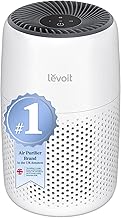


Air purifiers are designed to circulate indoor air through one or more filters, helping reduce unwanted airborne particles and improving the overall freshness of an indoor space. They can be useful in bedrooms, living rooms, home offices, nurseries and other enclosed areas where people spend significant amounts of time. If you are comparing air purifiers in the UK, it is important to look beyond appearance and consider filtration, room coverage, operating noise, maintenance and running costs.
Different air purifier models are designed for different environments. Compact units can be practical for smaller bedrooms, desks or personal spaces, while larger models may be more suitable for living rooms and open areas. Checking the manufacturer's recommended room size or clean air delivery information can help you choose a model that is appropriately sized for your space rather than relying on the physical size of the appliance alone.
Filtration is one of the most important considerations when comparing an air purifier. HEPA filters are widely used because they are designed to capture very small airborne particles. Many models also include pre-filters that can help capture larger particles before air reaches the main filter. Some appliances combine particle filtration with activated carbon filtration, which is intended to help reduce certain household odours and gases.
When shopping, look at the complete filtration system rather than focusing only on a single filter label. A multi-stage system may combine a pre-filter, particulate filter and carbon layer. Filter availability and replacement guidance are also worth checking because regular maintenance is an important part of keeping an air purifier operating effectively over time.
The best air purifier for you depends partly on where you plan to use it. Bedroom air purifiers are often chosen for their quiet operation, compact footprint and sleep-friendly settings. For a living room, shoppers may prioritise higher airflow, broader coverage and automatic operating modes. A home-office model can benefit from a compact design and low noise so that it does not become distracting during calls or focused work.
If you want to move one appliance between rooms, consider its weight, handles, dimensions and portability. A smaller unit can be convenient for flexible use, while a larger purifier may provide stronger airflow for a bigger space. Always compare the stated coverage with the size and layout of your room before making a decision.
Modern air purifiers can include a range of useful features. Automatic modes can adjust operation based on detected air conditions, while multiple fan speeds allow you to choose between quieter operation and increased airflow. Air-quality indicators can provide at-a-glance information, and timer settings can make it easier to schedule operation around your routine.
Other features may include sleep modes, filter replacement indicators, remote controls, touch controls and smartphone connectivity. Smart functionality can be useful if you want to monitor or control an appliance remotely, but it should not replace the more fundamental considerations of filtration, suitable capacity and sensible maintenance costs.
An air purifier may operate for several hours a day, so ongoing ownership costs deserve attention. Check the appliance's power consumption and consider how often you expect to run it. Energy-efficient operation can be particularly useful when the purifier is intended for continuous or regular use.
Noise is another important factor, especially for bedrooms and quiet workspaces. Look for a stated noise level where available and check whether the model provides a dedicated sleep or low-speed setting. Filter replacement is also part of the long-term cost. Before buying, check the recommended replacement interval and whether compatible replacement filters are readily available.
Start by identifying the room where the purifier will be used and estimate its size. Next, compare filtration technology, airflow or coverage information, noise levels and control options. If odour reduction is important, consider models that include activated carbon filtration. If you are particularly concerned about fine airborne particles, examine the particulate filtration system and the manufacturer's specifications.
It is also sensible to compare dimensions, warranty information, maintenance requirements and replacement filter availability. UK shoppers should consider where the appliance will be positioned, how frequently it will be operated and whether replacement components are easy to obtain. A model with useful features is only a good choice if its capacity and running requirements suit your actual space and routine.
There is no single air purifier that is ideal for every household. A compact bedroom unit, a high-capacity living-room model and a smart purifier for a home office can all serve different purposes. By comparing room suitability, filtration, airflow, noise, controls, energy use and filter maintenance, you can narrow down the options more confidently.
Whether you are replacing an older appliance or buying your first air purifier, focus on practical specifications rather than choosing solely on appearance. Compare the features that matter for your room and everyday routine, then select an option that provides an appropriate balance of performance, convenience and ongoing ownership costs.
Explore air purifiers for UK homes, bedrooms, living rooms and workspaces. Compare filtration technologies, room suitability, noise levels, maintenance requirements and useful features to find an air purifier that matches your indoor environment and everyday needs.