

♥ Wishlist
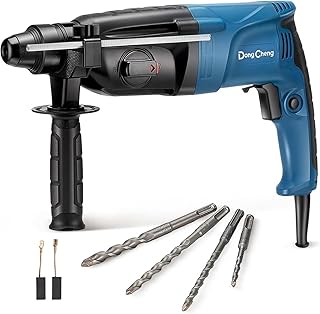


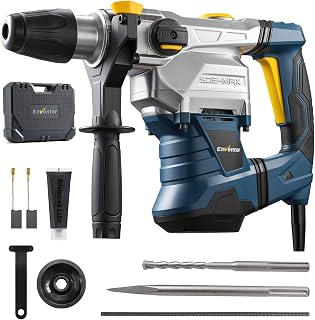


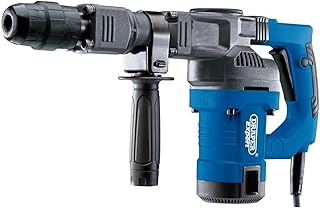


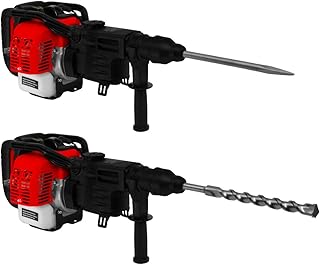


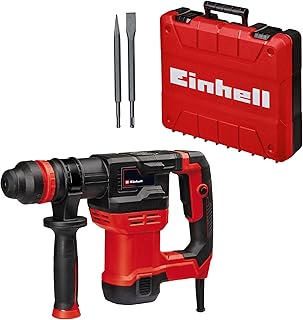


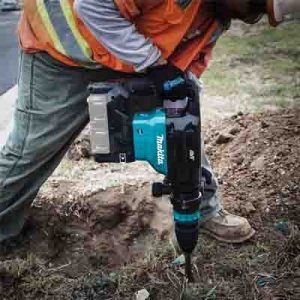
A cordless demolition hammer is designed for heavy-duty breaking and chiselling where portability, impact power and freedom from a mains cable are important. Unlike a standard cordless drill or combi drill, a demolition hammer is built around a dedicated impact mechanism that delivers repeated blows through a chisel. This makes it suitable for demanding tasks such as breaking concrete, removing masonry, opening channels and carrying out renovation work.
For UK tradespeople, contractors, renovators and serious DIY users, choosing the right cordless breaker means balancing impact performance with battery life, tool weight and handling. A cordless design can be particularly convenient on construction sites, outdoor projects and refurbishment jobs where access to mains electricity is limited or where trailing cables would make work more difficult.
Start by considering the material and type of work involved. Light chiselling and small-scale renovation jobs may require a more compact machine that is easier to control for longer periods. Heavier concrete, hard masonry and demanding demolition applications generally call for a higher-impact tool with a robust mechanism and suitable chisel capacity. Matching the hammer to the application helps avoid unnecessary strain on both the operator and the tool.
Battery compatibility is one of the most important considerations when buying a cordless demolition hammer. If you already use cordless equipment, staying within the same battery platform can make it easier to share batteries and chargers across compatible tools. For intensive work, having additional charged batteries available can also reduce interruptions. Runtime depends on the battery capacity, material being worked on, impact setting and workload, so published battery specifications should be considered alongside the intended application.
Impact energy is a useful specification when comparing demolition hammers because it indicates the force delivered by each blow. Higher impact energy can be beneficial for breaking harder materials and completing heavy-duty demolition tasks, while lower-impact machines may offer easier handling for lighter chiselling. Do not judge performance from impact energy alone. The overall mechanism, tool design, chisel type and application all affect real-world results.
The right accessory can make a significant difference to performance. Pointed chisels are commonly used for initial breaking and concentrated impact, while flat chisels can be useful for removing material and shaping or separating masonry. Depending on the tool specification, other compatible accessories may be available for particular demolition or renovation tasks. Always check the manufacturer's compatibility requirements before fitting a chisel or accessory.
Demolition work can involve prolonged vibration, awkward working positions and repeated impacts. A heavier hammer can provide useful stability and substantial breaking performance, but a lighter model may be easier to manoeuvre, transport and use overhead or in confined spaces. Features such as auxiliary handles, ergonomic grips and vibration-reduction systems can also contribute to better control and comfort during extended use.
Cordless demolition hammers can be used for a wide range of applications, including removing tiles, breaking sections of concrete, opening masonry, stripping old surfaces and carrying out renovation work. Their cable-free operation can be especially useful on outdoor sites, unfinished properties and areas where electrical access is inconvenient. They are also practical when mobility between different parts of a job site is important.
When comparing cordless demolition hammers, look beyond the headline specification. Check the tool's weight, impact energy, battery voltage or platform, compatible accessories, handle configuration and vibration characteristics. Consider whether the tool is intended for occasional DIY work, regular renovation or professional demolition. A machine that matches the workload can offer a better balance of performance, control and convenience.
For UK shoppers, it is also worth checking whether the required battery and charger are included or whether the tool is supplied as a bare unit. This can have a significant effect on the overall purchase cost, particularly if you are not already invested in the relevant battery system. Compare the complete setup rather than focusing only on the advertised tool price.
Whether you are tackling a renovation project, preparing a construction site or removing stubborn masonry, a suitable cordless demolition hammer can provide the impact power and portability needed for demanding work. Choose according to the material, workload, required runtime and handling preferences to find a machine that fits the job.
Find a cordless demolition hammer for demanding breaking, chiselling and renovation work. Cordless models combine powerful impact action with the freedom to work without a mains cable, making them useful for construction, refurbishment, landscaping and general building applications across the UK.