

♥ Wishlist


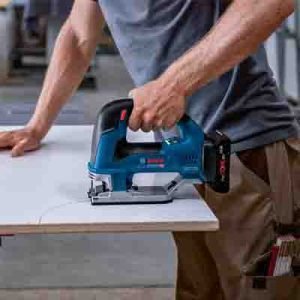
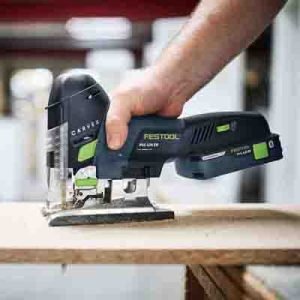
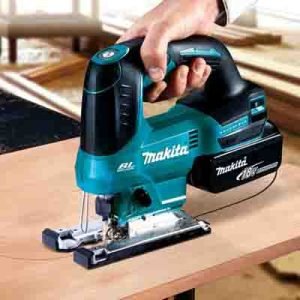
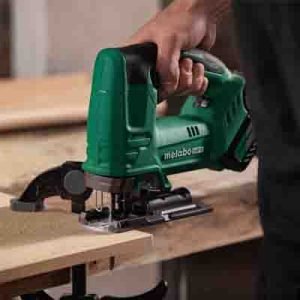
Cordless jigsaws are versatile cutting tools designed for jobs where controlled, detailed cuts are more important than the heavy-duty cutting capacity of a larger saw. Their compact format and battery-powered operation make them especially useful for DIY, renovation, furniture projects, flooring work and general workshop tasks. Without a mains cable restricting movement, a cordless jigsaw can be convenient when working around large workpieces, outdoors or in areas where access to a power socket is limited.
For UK shoppers, choosing the right cordless jigsaw starts with understanding the type of work you expect to undertake. A basic battery jigsaw can be a useful choice for occasional home projects, while a more capable model may be better suited to frequent workshop use. Consider the materials you normally cut, the thickness of those materials, the type of blades available and how frequently you expect to use the tool. These factors can be more important than simply choosing the model with the highest specification.
A good cordless jigsaw should provide a balance between cutting control, power, comfort and battery efficiency. Variable speed control can help users adjust the cutting action to suit different materials, while orbital or pendulum action can increase cutting speed where appropriate. A tool with several settings gives greater flexibility for both rougher cuts and applications where a cleaner finish is the priority.
Blade selection is equally important. Different blades are designed for materials and finishes such as softwood, hardwood, laminate, plastic and metal. Before starting a project, check that the selected blade is suitable for the material and that its cutting capacity matches the thickness of the workpiece. Using the appropriate blade can improve cutting quality, reduce unnecessary wear and make the jigsaw easier to control.
One of the main benefits of a cordless jigsaw is freedom from a mains cable. This can make positioning the tool easier and reduce the need to manage a trailing lead while cutting. Battery-powered models can also fit neatly into wider cordless tool systems, particularly when the same battery platform is used across compatible tools.
When comparing cordless jigsaws, check whether the product is supplied as a complete kit or as a bare tool. A bare tool can be useful if you already own compatible batteries and a charger, whereas a complete kit may be more convenient if you are starting from scratch. Battery capacity can also affect working time, weight and charging requirements, so consider the duration and intensity of your typical projects.
Useful features can include variable speed, pendulum action, tool-free blade changes, an adjustable base plate, LED work lighting and dust extraction compatibility. A clear cutting line can make it easier to follow marked curves or straight lines, particularly when working on visible surfaces. Ergonomic grip design and balanced weight distribution can also make a noticeable difference during longer cutting sessions.
Cutting capacity should be checked carefully rather than assumed from the appearance of the tool. Manufacturers may provide maximum cutting depths for different materials, and these figures can vary between models. If your projects involve thicker timber, worktop materials or other substantial sheets, compare the stated specifications with your actual requirements before buying.
Cordless jigsaws can handle a wide variety of common cutting tasks. They are useful for cutting curves in timber, creating openings in sheet materials, trimming laminate and shaping components for furniture or craft projects. With the correct blade and suitable technique, they can also be used for certain plastic and metal cutting applications.
For cleaner results, secure the workpiece properly and mark the cutting line before beginning. Allow the blade to perform the cutting rather than forcing the tool through the material. Matching the blade type and speed setting to the material can help reduce splintering and improve control. Safety glasses and appropriate protective equipment should be used, and the manufacturer's operating instructions should always be followed.
When comparing options, look beyond headline power figures and consider the complete specification. Check battery compatibility, cutting capacity, speed settings, blade-changing system, weight, included accessories and warranty information where available. Think about whether you need a compact tool for occasional DIY or a more robust jigsaw for regular workshop work.
Price is another consideration, but the cheapest option is not always the most economical choice. A suitable cordless jigsaw that works with batteries you already own may offer better overall value than purchasing an unfamiliar battery platform. Similarly, a model with useful control features and readily available blades may be more practical over the longer term.
The best cordless jigsaw for your needs depends on the materials, cutting styles and frequency of use involved in your projects. Compare specifications carefully, select a suitable battery arrangement and make sure the available cutting capacity meets your requirements. With the right combination of tool, blade and technique, a cordless jigsaw can become a highly useful addition to a UK DIY or workshop tool collection.
Find a practical cordless jigsaw for accurate cutting, curved profiles and detailed DIY or workshop projects. Cordless jigsaws combine the flexibility of a battery-powered tool with the controlled cutting action needed for wood, laminate, plastic and selected metal applications. Whether you are replacing an older saw, building a cordless tool collection or looking for a convenient option for home improvement, this category makes it easier to compare the features that matter before choosing a model.