

♥ Wishlist


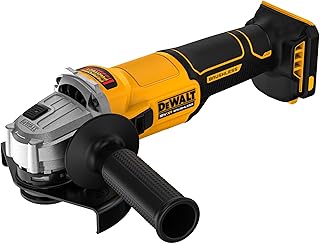






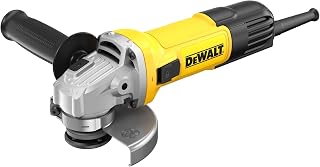


Cordless grinders are versatile power tools designed to give you the cutting and grinding performance of an angle grinder without the restriction of a mains power cable. They can be useful for metal fabrication, renovation work, maintenance, DIY projects and general workshop tasks where portability is important. Because there is no trailing cable to manage, a battery-powered grinder can also be convenient when working outdoors or in areas where access to a mains socket is limited.
When choosing a cordless grinder, start by thinking about the jobs you need it to perform. Cutting discs can be used for suitable materials and applications, while grinding discs are designed for removing material, smoothing edges and preparing surfaces. Other compatible accessories can support tasks such as polishing, finishing and surface preparation. Always make sure that the disc or accessory is specifically rated for the grinder and the intended application.
Battery voltage and platform compatibility are important considerations when comparing cordless grinders. Many battery-powered tools are sold as part of a wider cordless system, allowing one battery platform to power several compatible tools. If you already own cordless equipment, checking whether the grinder works with your existing battery system can help you avoid buying unnecessary batteries and chargers.
Disc size is another key specification. Compact grinders can be easier to handle for lighter applications, while larger models may provide a greater cutting or grinding capacity where the application calls for it. Check the manufacturer's specifications for the supported disc diameter, spindle arrangement, no-load speed and accessory compatibility before choosing a model.
A cordless angle grinder can be a practical addition to a home workshop. It may be used for suitable cutting, grinding, rust removal, edge preparation and surface-finishing tasks. For occasional DIY users, a compact and manageable model may be preferable because it can be easier to control and store. More frequent users may place greater importance on battery capacity, motor efficiency, durability, vibration control and sustained performance.
Ergonomics can make a significant difference when using a grinder. Look for features such as a comfortable auxiliary handle, balanced body design and accessible controls. A well-balanced tool can help improve handling during longer jobs, although the correct technique and regular breaks remain important. Tool-free guard adjustment, where provided, can also make setup more convenient.
Battery runtime depends on several factors, including battery capacity, material, accessory, workload and the way the grinder is used. Higher-capacity batteries can provide longer working periods but may add weight to the tool. If you regularly work on larger projects, keeping a charged spare battery can reduce interruptions. Users with several compatible cordless tools may also benefit from sharing batteries across the same platform.
For occasional tasks, a lighter battery configuration may be sufficient. For demanding or repeated work, compare battery capacity and charging options alongside the grinder itself. Where a product is sold as a bare tool, remember to check whether a compatible battery and charger are available separately before purchasing.
Safety should be a priority whenever using a grinder. Depending on the model, useful features may include a protective guard, spindle lock, electronic brake, overload protection, soft start or other control technologies. These features can contribute to safer and more convenient operation, but they do not replace correct working practices.
Always use the correct guard, disc and accessory for the application, and inspect accessories before use. Wear suitable eye and face protection, hearing protection where appropriate, gloves suitable for the task and other recommended personal protective equipment. Follow the manufacturer's instructions for fitting accessories, operating the tool and maintaining the battery. Avoid using damaged or incompatible discs and never exceed the accessory's rated speed.
UK shoppers can compare cordless grinders according to intended use, battery system, disc size, handling, features and overall value. A grinder intended for occasional household DIY does not necessarily need the same specification as one used regularly in a professional workshop. Matching the tool to the application can help you avoid paying for features you do not need while ensuring the grinder is suitable for the work you have planned.
Whether you need a cordless angle grinder for cutting metal, grinding welds, removing surface material or completing general maintenance, compare the specifications carefully before making a decision. Consider the available accessories, battery requirements, replacement parts, storage needs and manufacturer guidance as part of the overall purchase. A suitable cordless grinder can provide a convenient combination of portability, flexibility and power for a wide range of compatible applications.
Find the right cordless grinder for cutting, grinding, polishing, deburring and other demanding workshop or DIY tasks. Cordless grinders offer the freedom to work without a mains cable, making them useful for jobs around the home, garage, workshop, garden or building site. For UK shoppers, choosing the right grinder means considering battery compatibility, disc size, motor performance, ergonomics, safety features and the type of work you expect to carry out.