
♥ Wishlist


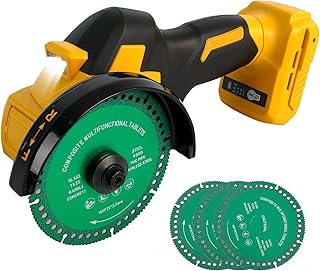



Cordless cut off saws combine the cutting performance of a compact power saw with the mobility of battery operation. Unlike corded machines, they do not require a direct connection to a mains socket, which can make them easier to use across large work areas. This flexibility is valuable for tradespeople, contractors, maintenance professionals and capable DIY users working on renovation, building or outdoor projects.
A cordless cut off saw is generally built around a high-speed cutting disc and a battery-powered motor. Depending on the model and compatible disc, these saws can be suitable for cutting materials such as metal, concrete, masonry, paving products and other construction materials. Always check the manufacturer's specifications and use the correct disc for the intended material before starting a job.
One of the biggest advantages is portability. Without a mains cable trailing behind the tool, you can move more freely around a site and reach areas where electrical access is inconvenient. This can also reduce the need for extension leads, although battery runtime and charging requirements should be considered when planning longer jobs.
Cordless operation can also be useful when working outdoors or in partially completed buildings. A suitable battery system allows you to carry the saw between locations and begin cutting without first arranging a mains power connection. For professionals already using compatible batteries from the same power-tool platform, choosing a matching bare tool can also help make better use of existing batteries and chargers.
Battery voltage, battery capacity and motor efficiency all influence how a cordless cut off saw performs. Higher-capacity batteries can provide longer working periods, but they may also add weight. Consider the amount of cutting you normally perform and whether you have spare batteries available.
The disc diameter affects the potential cutting depth. Larger discs can generally handle deeper cuts, while smaller models may be easier to control in tighter working areas. Check the stated maximum cutting depth and ensure that the disc size is appropriate for your applications.
Motor output and cutting speed are important when choosing a saw for demanding materials. A capable motor can help maintain cutting performance under load, while electronic controls on some models can provide improved management of speed, braking or overload protection.
Weight, handle position, balance and vibration control can make a noticeable difference during extended use. A well-balanced saw can be easier to guide accurately, especially when making repeated cuts. Look for a comfortable grip and controls that are easy to operate while wearing appropriate work gloves.
Cordless cut off saws can be useful for a wide range of professional and practical tasks. Depending on the specification and fitted disc, applications may include cutting metal sections, pipes, reinforcing materials, masonry, paving slabs and construction components. They are also useful for repair, installation and refurbishment work where portability is important.
For specialist materials, select a disc specifically designed for the application. Cutting performance depends on both the saw and the consumable, so using an unsuitable disc can reduce performance and create unnecessary safety risks.
UK shoppers should consider the type of work, required cutting depth, expected frequency of use and available battery platform before buying. If you already own cordless tools, a model compatible with your existing battery system may be a practical option. If you are building a new system, compare the cost of the saw, batteries and charger rather than looking only at the tool price.
For occasional DIY projects, portability and ease of handling may be more important than maximum cutting capacity. For professional construction work, runtime, durability, cutting depth, motor performance and battery availability can become more significant. It is also worth considering replacement discs and batteries when estimating the long-term running cost.
Always read the manufacturer's instructions before operating a cordless cut off saw. Use the correct disc, inspect consumables before use and make sure the workpiece is securely supported. Wear suitable eye and hearing protection and use appropriate respiratory protection where the cutting process can generate harmful dust. Keep bystanders away from the cutting area and follow the safety requirements applicable to the material and workplace.
Never force the saw through a material or use a disc outside its intended application. Allow the tool to perform the cut at an appropriate rate and stop immediately if unusual vibration, noise or other problems occur. Proper preparation and suitable protective equipment can help make cutting tasks more controlled and productive.
The best cordless cut off saw depends on the materials you need to cut, the depth required and how frequently you expect to use the machine. Compare battery compatibility, disc diameter, cutting capacity, motor performance, weight and handling before making your choice. Whether you are preparing materials on a building site, completing renovation work or tackling demanding DIY tasks, the right battery-powered cut off saw can provide useful cutting capability without the limitations of a mains cable.
Find cordless cut off saws designed to make demanding cutting jobs more convenient, flexible and efficient. Battery-powered cut off saws remove the need for a mains cable, making them particularly useful on construction sites, during renovation work and wherever access to a power socket is limited. Whether you need to cut metal, masonry, paving materials or other suitable workpieces, a cordless model can provide the freedom to work across different areas without being restricted by a cable.