
♥ Wishlist




A mallet is a useful hand tool whenever controlled impact is needed without relying on the concentrated striking surface of a conventional hammer. Mallets are widely used for woodworking, joinery, furniture assembly, DIY projects, flooring work, construction tasks and specialist applications. The best option depends on the material being worked on, the amount of force required and whether protecting the surface is important.
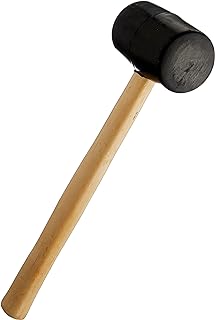
For UK DIY enthusiasts and professional tradespeople, choosing the correct mallet can make everyday jobs easier and more controlled. A traditional wooden mallet is a popular choice for woodworking and joinery because it can be used to strike chisels and help assemble timber components. Rubber mallets are useful when a softer impact is required, making them suitable for positioning materials, assembling components and carrying out tasks where a metal striking face could leave marks.
Wooden mallets remain a familiar choice for carpenters, joiners and hobby woodworkers. Their broad striking faces can deliver controlled force while being well suited to woodworking tools and timber components. When working with chisels, joints or wooden assemblies, a wooden mallet can provide the impact needed without the same type of hard metal-to-metal contact associated with a conventional hammer.
When comparing wooden mallets, consider the type of timber, the size of the work and the balance of the tool. A comfortable handle and well-shaped head can make repeated use easier. The overall weight also matters: a lighter mallet may offer greater control for delicate work, while a heavier model can provide more impact when assembling robust timber components.
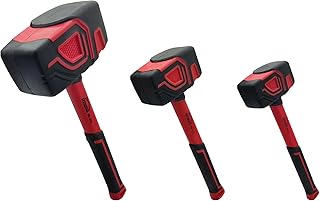
Rubber mallets are commonly chosen for tasks where reducing marks or surface damage is a priority. They can be useful for positioning materials, fitting components, assembling furniture and other jobs that need a firm but relatively forgiving impact. Soft-face mallets can provide a similar benefit where interchangeable or non-marking faces are desirable.
Before buying, consider whether the mallet face is intended for the material you plan to strike. Different surfaces and compounds offer different levels of hardness and resilience. For frequent use, look for a design with a secure head and comfortable grip, particularly if the tool will be used for extended periods.
A general-purpose mallet can be a practical addition to a home toolbox. It may be useful for assembling flat-pack furniture, adjusting components, positioning materials and completing routine DIY work. Compared with a standard claw hammer, a mallet is often preferable when the work calls for broader, softer or more controlled contact.
Think about the jobs you expect to undertake most often before choosing a model. If your projects mainly involve timber, a wooden mallet may be appropriate. If you regularly assemble materials where surface protection matters, a rubber or soft-face option may be more suitable. For occasional household use, a versatile general-purpose design can offer a useful balance between control and impact.
Head material is one of the most important considerations. Wooden heads are traditionally associated with joinery and woodworking, while rubber and soft materials are often selected for applications where a less aggressive striking action is needed. Head size and weight can also affect how much force can be delivered and how easy the tool is to control.
The handle should also be considered. A well-designed grip can improve comfort and control, especially during repetitive tasks. Check the construction of the head-to-handle connection and choose a mallet appropriate for the intensity and frequency of your intended use. If portability matters, consider the overall dimensions and weight when comparing alternatives.
Start by identifying the material you will be striking and the type of work involved. For woodworking and traditional joinery, look towards wooden mallets. For assembly and positioning tasks where avoiding marks is important, rubber or soft-face models may be more appropriate. For varied DIY jobs, prioritise versatility, comfortable handling and a practical weight.
It is also worth considering the working environment. A professional workshop may benefit from several mallets designed for specific applications, while a home user may prefer one dependable multi-purpose model. Comparing head material, weight, handle design and intended application can help you select a tool that fits your needs rather than simply choosing the largest or heaviest option.
Whether you are completing woodworking projects, assembling furniture, carrying out household repairs or working on more demanding tasks, the right mallet can provide useful impact with greater control. Explore the available options and compare designs according to your project requirements, preferred handling characteristics and the surfaces involved. Selecting a suitable mallet can help make practical work more efficient while reducing the likelihood of unwanted marks or damage.
Find the right mallet for woodworking, DIY, construction, assembly and other practical tasks with a choice of designs suited to different materials and applications. From traditional wooden mallets for joinery to rubber and soft-face options for controlled impact, choosing the correct mallet can help you work accurately while reducing the risk of unnecessary surface damage. This category is designed to help UK shoppers understand the main types of mallets, where they are useful and which features are worth considering before buying.