

♥ Wishlist


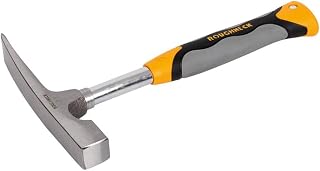


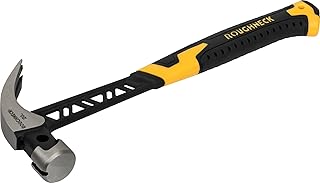

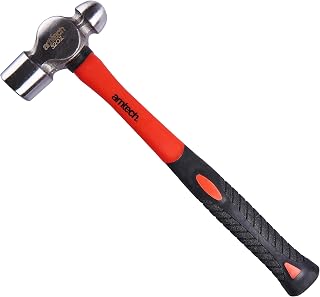


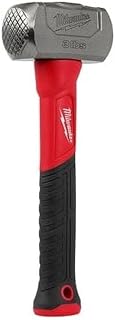


A hammer is one of the most useful hand tools to keep in a home toolbox, garage, workshop or professional kit. Although many hammers share a familiar shape, different designs are engineered for specific tasks. The best option depends on what you are working on, the amount of force required and the level of control you need. Selecting an appropriate hammer can improve accuracy while helping to reduce unnecessary effort.
For general DIY around the home, a claw hammer is often a practical choice. Its striking face is suitable for driving nails, while the curved claw can help remove nails and perform light levering tasks. A claw hammer is particularly useful for basic carpentry, furniture repairs, home maintenance and other everyday projects. Different weights and handle designs allow users to select a model that feels comfortable and balanced for the intended work.
When a job requires more concentrated impact, specialist designs can provide better results. Club hammers are compact but substantial tools commonly used for tasks such as masonry work, driving chisels and other applications where controlled impact is required. Their shorter handles can make them easier to control in confined working areas.
Sledge hammers are designed for heavier applications where considerable impact force is needed. They can be useful for demolition, breaking materials and demanding construction or landscaping work. Because these hammers generate significant force, users should choose an appropriate weight and use suitable protective equipment for the task.
Some jobs require a more specialised striking tool. Ball pein hammers are widely associated with metalworking, engineering and workshop applications. The rounded pein can be used for shaping and forming metal, while the flat striking face provides a conventional impact surface. Other specialist hammer styles may be designed for woodworking, panel work, upholstery, bricklaying or specific trade applications.
For woodworking and finishing tasks, a hammer with an appropriate face and balanced construction can help provide controlled strikes without unnecessarily damaging the workpiece. When working with sensitive surfaces, always consider whether a specialist face material or alternative striking tool is more suitable than a conventional steel-faced hammer.
Hammer weight is one of the most important factors to consider. A lighter hammer can offer greater control and may be more comfortable for repetitive household tasks, while a heavier design can deliver more impact when required. However, heavier does not always mean better. The ideal weight should match the application and the user's ability to handle the tool safely.
The handle also deserves attention. A well-designed handle should provide a secure grip and comfortable control during use. Materials and construction can vary between models, so consider durability, grip, vibration reduction and overall balance. A hammer that feels well balanced can make repeated work less tiring and help improve striking accuracy.
UK shoppers may need different hammers for home improvement, renovation, construction, engineering or professional trade work. A homeowner might only need a versatile claw hammer for occasional repairs, whereas a builder, carpenter, mechanic or engineer may require several specialised designs. Building a useful toolkit around the jobs you regularly perform can prevent the need to use an unsuitable hammer for a particular task.
When comparing products, look beyond appearance and consider hammer type, head weight, handle design, intended application and overall ergonomics. Check product specifications carefully before purchase, particularly where dimensions or weight are important. For demanding work, use the hammer only for its intended purpose and inspect the head and handle regularly for signs of damage or excessive wear.
Safe working practices are important whenever a striking tool is used. Make sure the workpiece is stable, maintain a firm grip and use controlled swings rather than excessive force. Eye protection can be particularly important when striking hard materials because fragments may be produced. Keep hands clear of the striking area and select the correct hammer for the material and task.
Whether you are assembling furniture, completing DIY repairs, working with timber, shaping metal or tackling heavier construction work, the right hammer can provide the control and impact needed to complete the job efficiently. Explore the hammers hand tools category to compare options for household toolboxes, workshops and professional applications across the UK.
Find the right hammers hand tools for everyday DIY, construction, woodworking, repair and workshop tasks. From versatile claw hammers for general-purpose work to club hammers, sledge hammers and ball pein designs, choosing the correct hammer can make jobs safer, easier and more precise. This category is designed for UK shoppers looking for practical hand tools suited to different materials, applications and levels of use.
| Hammer Type | Typical Use | Key Benefit |
|---|---|---|
| Claw Hammer | DIY, carpentry, nails | Versatile striking and nail removal |
| Club Hammer | Masonry and controlled impact | Compact heavy-duty design |
| Sledge Hammer | Demolition and heavy work | High impact force |
| Ball Pein Hammer | Engineering and metalworking | Suitable for shaping metal |