

♥ Wishlist


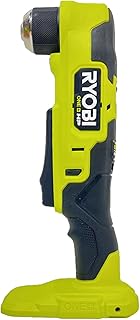


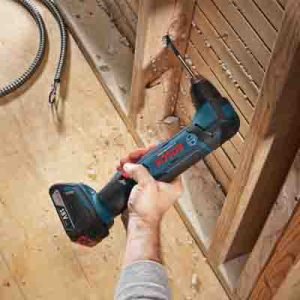
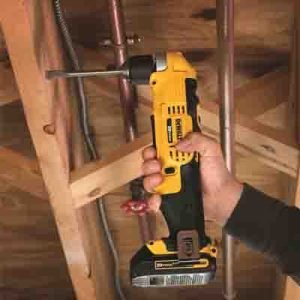
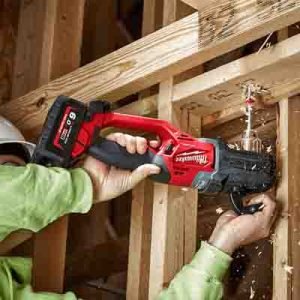
A cordless angle drill is designed to provide drilling and screwdriving access where the shape of a standard drill can make positioning awkward. Its angled configuration can be particularly useful when working inside cabinets, between joists, beneath shelving, around plumbing, or in other restricted areas. Because there is no mains cable to manage, a cordless model also gives you greater freedom to move around a workshop, home renovation project or building site.
When choosing cordless angle drills, start by considering the type of work you expect to carry out. Occasional DIY users may prefer a lightweight and compact model that is easy to control, while tradespeople may prioritise higher torque, longer battery runtime, robust construction and compatibility with batteries already used with other tools. Checking the manufacturer's specifications can help you understand whether a particular drill is suitable for drilling into wood, metal or other permitted materials and for the fastening tasks you have in mind.
The main advantage of an angle drill is access. Its head is designed to help you work in places where the body of a conventional drill may collide with surrounding surfaces. This can make a noticeable difference when installing kitchen units, assembling furniture, working on timber frames or carrying out maintenance in confined areas. The cordless design adds another practical benefit by removing the need to stay close to a power socket or manage a trailing cable.
Compact dimensions can also improve handling. A well-balanced tool can be easier to position accurately, especially during repetitive drilling or fastening. Look for features such as a comfortable grip, accessible controls, variable speed and an appropriate weight for the tasks you regularly perform.
Battery voltage can influence the power and intended application of a cordless drill. Before purchasing, check whether the tool is supplied with a battery and charger or sold as a bare tool. If you already own compatible cordless tools, a bare model may be useful when it belongs to the same battery platform.
Torque determines how effectively the drill can handle demanding fastening applications, while speed affects how quickly the drill bit or driver rotates. Variable speed control can provide greater flexibility because different materials and accessories may require different operating speeds. A model with adjustable settings can therefore be useful for a wider range of DIY and workshop jobs.
Check the chuck type and supported accessory sizes before buying. The right chuck should accommodate the drill bits and driver accessories you intend to use. Compatibility is particularly important if you already have a collection of accessories and want to continue using them with your new cordless angle drill.
Think about where you will use the drill as well as what you will drill. For furniture assembly and light DIY, a compact, lightweight option may be more comfortable. For renovation and professional work, you may benefit from stronger torque, durable construction and a battery system designed for frequent use. If you regularly work overhead or in confined spaces, size and weight can be just as important as headline power figures.
It is also worth considering storage and transport. A compact angle drill can take up less room in a toolbox, while a kit containing batteries, a charger and accessories can provide a convenient all-in-one solution. Always check the listed specifications and manufacturer guidance before using any tool or accessory.
Comparing cordless angle drills by their practical specifications can make it easier to identify the right option for your needs. Consider battery format, torque, speed settings, chuck capacity, dimensions, weight and included accessories rather than choosing solely on appearance. Price is another useful comparison point, but the best value can depend on the features, battery system and intended frequency of use.
Whether you are tackling home improvements, furniture projects, maintenance tasks or professional work, the right angled cordless drill can provide useful access in spaces where conventional drilling tools are less convenient. Compare the available options, check product specifications carefully and choose a model that matches your expected workload, preferred accessories and working environment.
Find cordless angle drills designed to make drilling and fastening easier where a conventional drill may be difficult to position. With a compact angled design and cordless freedom, these tools are useful for DIY projects, furniture assembly, renovation work, joinery and many workshop applications. Compare important features such as battery compatibility, torque, speed, chuck type, ergonomics and overall size to help you choose a cordless angle drill suited to your requirements in the UK.