

♥ Wishlist




Cordless power saws offer a practical way to complete cutting tasks without being tied to a mains socket. Powered by rechargeable batteries, these saws are useful for DIY enthusiasts, home improvers, tradespeople and hobbyists who need freedom of movement around a workshop, garden, garage or building site. Without a trailing power cable, a cordless saw can be easier to position and transport, particularly when working in areas where access to mains electricity is limited.
The term cordless power saw covers several types of cutting tools, each designed for different jobs. Cordless circular saws are commonly chosen for straight cuts through timber, sheet materials and similar workpieces. Cordless reciprocating saws are useful for rough cutting, demolition and jobs where access or manoeuvrability is important. Cordless jigsaws are well suited to curved cuts, shaped sections and detailed woodworking. Other cordless saw designs can provide more specialised cutting capabilities, so understanding the task before buying is an important first step.
One of the main advantages of cordless cutting tools is mobility. A battery-powered saw can be carried from one location to another without finding a suitable electrical outlet or managing an extension lead. This can be particularly useful for outdoor projects, renovation work and construction tasks where a cable may become inconvenient.
Cordless models can also help keep a workspace less cluttered. With no mains cable trailing across the floor, there may be fewer obstacles around the cutting area. Battery operation can therefore be useful when moving between different workstations or when completing several smaller cutting jobs during a project.
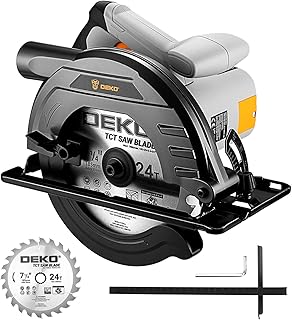
Circular saws are designed for efficient straight cutting and are popular for timber, boards and sheet materials. When choosing one, consider the maximum cutting depth, blade diameter, bevel adjustment and battery system. A suitable guide or cutting support can also help with accuracy when making longer cuts.
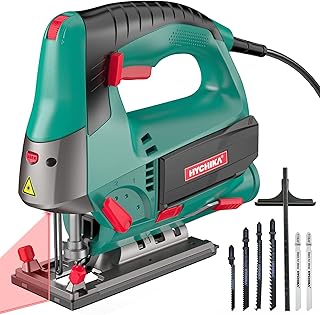
Jigsaws are versatile tools for curved, shaped and intricate cuts. They can be useful for woodworking projects where a straight circular saw is not appropriate. Look at blade compatibility, variable speed control, cutting action and visibility around the blade when comparing models.
Reciprocating saws are often selected for fast cutting and access in awkward areas. Their compact cutting action makes them useful for renovation, dismantling and general-purpose cutting. Blade selection is especially important because different blades are designed for materials such as wood or metal.
When comparing cordless power saws, start with the requirements of your project rather than choosing solely by appearance or headline specifications. Battery voltage can provide an indication of the tool's power system, while cutting depth helps determine the size of material that can be handled. Battery capacity can influence how long the saw can operate between charges, although actual runtime depends on workload, material and cutting conditions.
Also consider the weight and balance of the saw. A lightweight model may be easier to handle for extended DIY work, while a heavier design may offer features intended for more demanding applications. Ergonomic grips, tool-free blade changes, LED work lights, adjustable cutting angles and safety features can all contribute to easier day-to-day use.
Battery compatibility is an important consideration when buying cordless tools. Some users prefer to stay within one battery platform so that compatible batteries and chargers can be shared between several tools. Before purchasing a saw, check whether a battery and charger are included or whether the tool is supplied as a bare unit. Comparing the complete package can make it easier to understand the overall value.
UK shoppers should consider the type of material they expect to cut, how frequently the saw will be used and whether portability is a priority. For occasional household projects, a versatile model with straightforward controls may be sufficient. More frequent users may benefit from features such as greater cutting capacity, improved ergonomics, faster blade changes or compatibility with a wider battery ecosystem.
It is also sensible to consider accessories before making a purchase. Suitable blades can have a significant effect on cutting performance, and different materials require different blade designs. Depending on the project, useful additions may include spare batteries, chargers, cutting guides, storage cases and replacement blades.
Power saws should always be used in accordance with the manufacturer's instructions. Wear appropriate protective equipment, secure the workpiece properly and select a blade designed for the material being cut. Keep hands away from the cutting path and check the tool, battery and blade before use. Safe working practices are particularly important when cutting unfamiliar materials or undertaking demanding projects.
Whether you need a saw for woodworking, renovation, DIY maintenance or general cutting, cordless power saws can provide a useful combination of portability and convenience. By comparing saw type, cutting capacity, battery system, ergonomics and accessories, you can identify a model that better matches your intended work and working environment.
Discover cordless power saws designed to provide convenient, flexible cutting without the restriction of a mains power cable. Whether you are working on DIY projects, home improvements, woodworking tasks or general cutting jobs, choosing the right cordless saw can make everyday work more manageable. Explore the range with attention to blade type, cutting capacity, battery compatibility, handling and intended application.