

♥ Wishlist
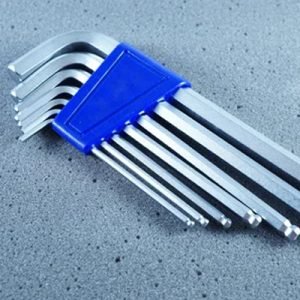
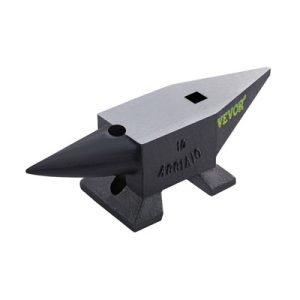
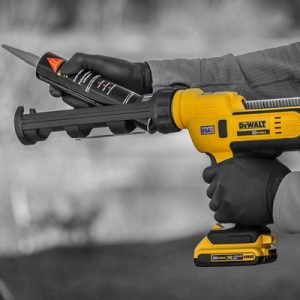
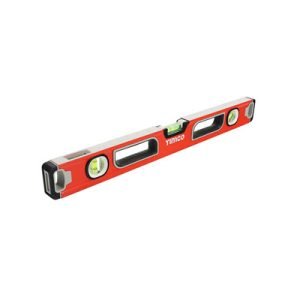
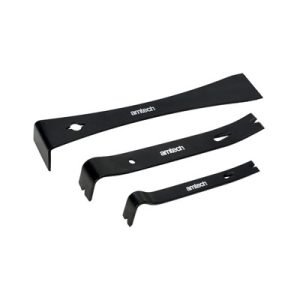
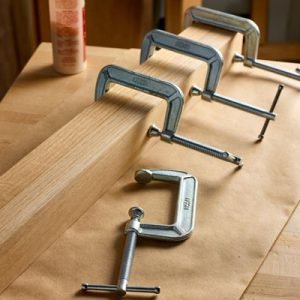
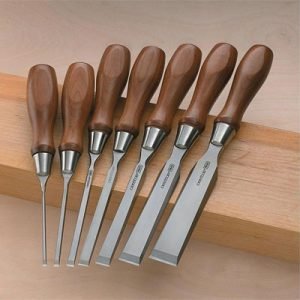
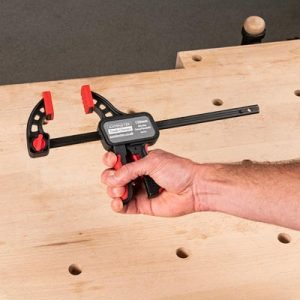
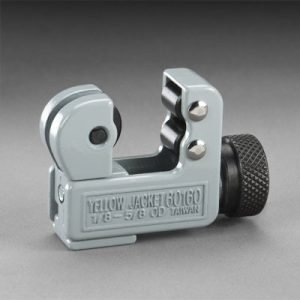
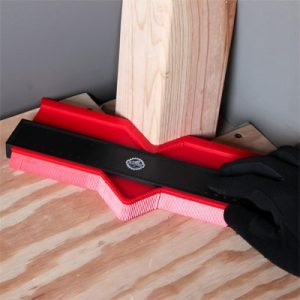

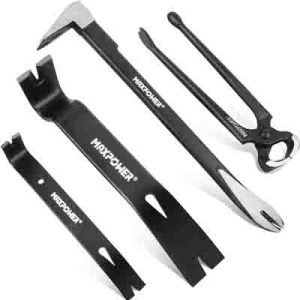
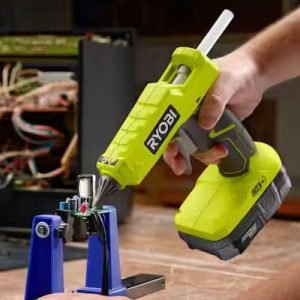
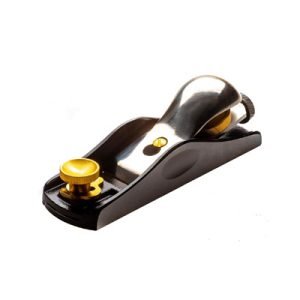
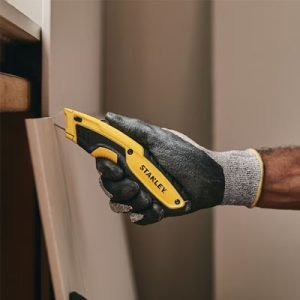
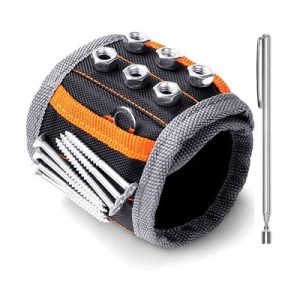
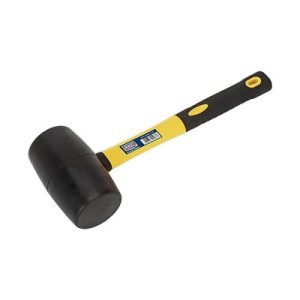
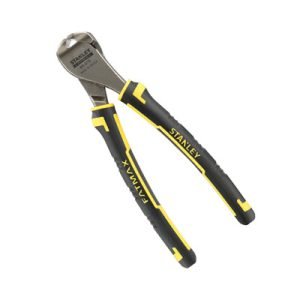




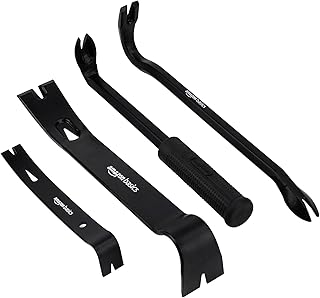


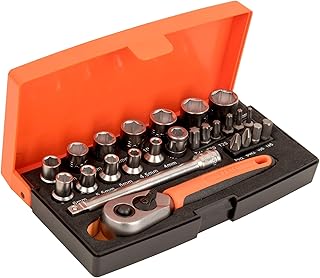


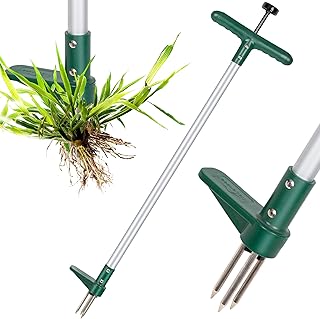


Hand tools are essential for DIY enthusiasts, tradespeople, maintenance workers, home improvers and anyone who regularly carries out repairs. Unlike powered equipment, hand tools give you direct control over the task, making them useful for jobs that require accuracy, careful adjustment or simple mechanical action. From tightening and loosening fasteners to cutting, gripping, measuring, shaping and assembling materials, the right tool can make a project considerably easier.
Our hand tools category is designed for shoppers looking for practical equipment for use around the home, garage, workshop or job site. Depending on the task, you may need a screwdriver for assembling furniture, a hammer for general fixing, pliers for gripping components, a saw for cutting timber, or a measuring tool for checking dimensions before work begins. Building a useful collection of basic hand tools can help you handle routine maintenance without relying on specialist equipment for every small job.
The best hand tool depends on the material, application and level of precision required. Before buying, consider what you need the tool to do and how frequently you expect to use it. A DIY user completing occasional household repairs may prioritise versatility and comfortable handling, while a tradesperson may look for tools suited to repeated daily use.
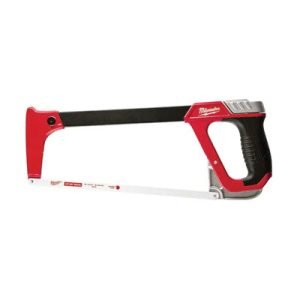
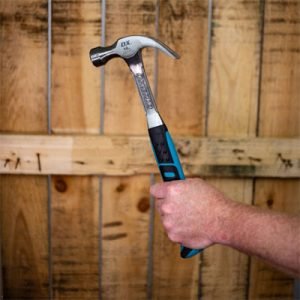
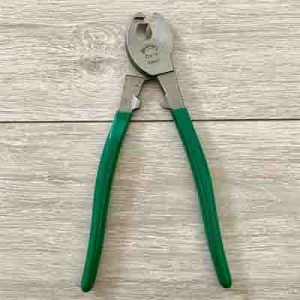
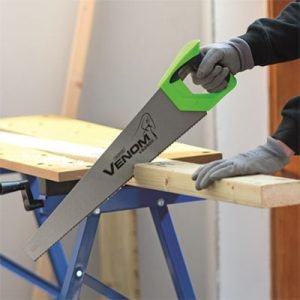
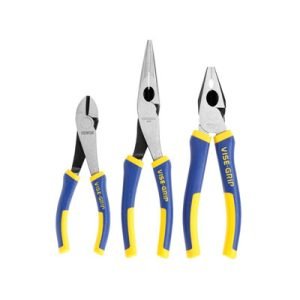
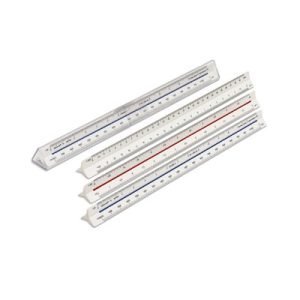
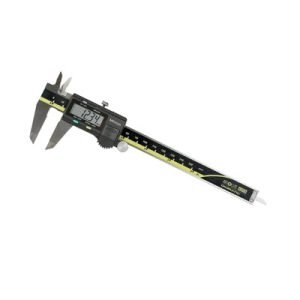
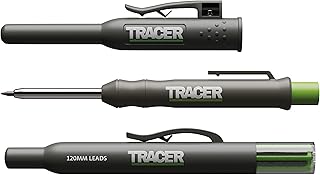
For fastening applications, screwdrivers, spanners and socket-related tools can be useful for working with different types of fixings. Hammers are commonly used for driving, fitting and general construction tasks. Pliers and cutters can assist with gripping, holding, bending and cutting. Hand saws are useful when timber or other suitable materials need to be cut without using powered machinery. Measuring and marking tools can also improve accuracy before cutting, drilling or assembly.
A reliable selection of hand tools can be valuable for common household projects. Whether you are assembling flat-pack furniture, installing fittings, adjusting fixtures or carrying out minor repairs, having suitable tools available can save time and reduce the need to improvise.
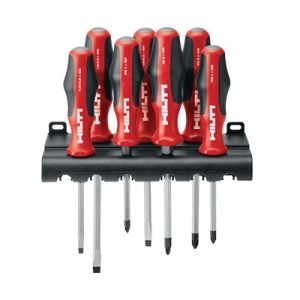
For occasional DIY, consider building a basic toolkit around frequently used tools. A screwdriver set, hammer, combination or adjustable pliers, tape measure and suitable cutting tool can cover many everyday requirements. If you regularly work with timber, metal or other materials, you can gradually expand your collection with tools that match your specific projects.
For workshops and professional applications, tool selection often involves more than simply choosing the cheapest option. Frequent use makes factors such as handling, construction, compatibility and suitability for the intended application more important. Tradespeople may also need specialised hand tools that complement power tools and other workshop equipment.
Organising tools by task can make a workshop more efficient. Keep commonly used fastening tools together, separate cutting equipment from measuring tools, and store tools where they are easy to access. Looking after your equipment can also help maintain performance and extend its useful working life.
Think about the intended application, material, tool size and frequency of use before making a purchase. Check that the tool is appropriate for the job rather than choosing solely based on appearance. Handle design and overall ergonomics can be particularly important when a tool will be used repeatedly.
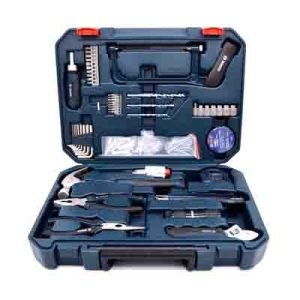
It is also worth considering whether you need an individual tool or a set. Individual tools allow you to select precisely what you need, while sets can provide several complementary sizes or types in one purchase. For DIY users building a first toolkit, sets can be convenient. For experienced users, individual tools may make more sense when replacing or upgrading a specific item.
A well-planned hand tool collection can support projects ranging from simple household maintenance to workshop and trade work. Start with versatile essentials and add specialist equipment as your needs develop. Always use tools for their intended purpose and follow appropriate safety guidance, particularly when cutting, striking, gripping or working with materials that may produce sharp edges or debris.
Whether you are preparing a home toolkit, improving a workshop or looking for equipment for regular trade work, explore the hand tool category to compare suitable options for your next project. Choosing tools according to the job, material and expected frequency of use can help you work more efficiently and confidently.