

♥ Wishlist


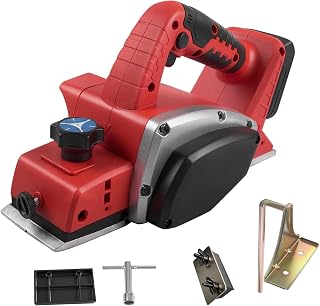


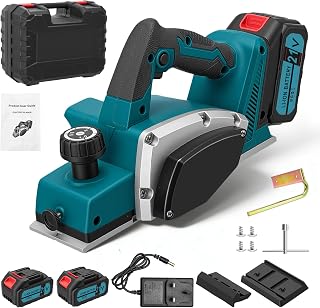


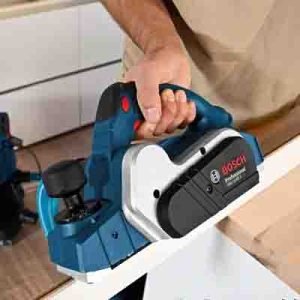
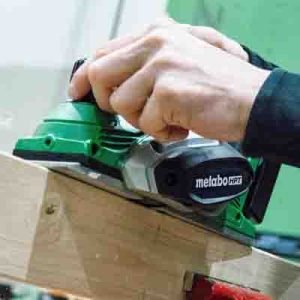
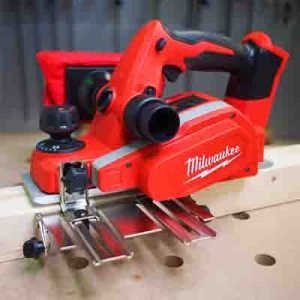
A cordless planer is a portable woodworking tool designed to remove a controlled amount of material from timber surfaces and edges. Unlike a traditional corded planer, it runs from a rechargeable battery, giving you greater freedom to move around a workshop, construction site, garden project or renovation job without being restricted by a power cable. Cordless models are particularly useful when working on doors, boards, joists, timber frames and other wooden components where portability can make the job easier.
When choosing a cordless planer in the UK, it is worth considering the type and amount of work you expect to carry out. Occasional DIY users may prioritise a compact, easy-to-handle design, while tradespeople and experienced woodworkers may need a more capable machine with a wider cutting width, useful cutting depth and dependable battery runtime. Comparing these characteristics can help you select a planer that matches both the material and the workload.
Cordless planers can be useful for levelling timber, adjusting door edges, removing small amounts of material and preparing wooden surfaces for further work. The absence of a mains lead can be especially convenient when working in areas where access to a socket is limited. It also reduces the need to manage a trailing cable while moving around larger pieces of timber.
For UK DIY and renovation projects, a cordless planer can be a practical addition to a wider collection of woodworking tools. It can help with fitting doors, correcting uneven boards, modifying timber components and carrying out finishing work. The right model depends on the scale of the task, the hardness and dimensions of the timber and how frequently the tool will be used.
The cutting width determines how much timber can be removed in a single pass. A suitable width can make repetitive work more efficient, particularly when preparing wider boards. For smaller adjustments and edge work, a compact planer may be easier to control.
Planing depth controls how much material is removed with each pass. Adjustable depth settings allow you to make lighter finishing passes or remove more material when correcting uneven timber. For accurate work, gradual material removal is generally preferable to attempting to take off too much in one pass.
Battery compatibility is an important consideration when buying a cordless planer. If you already own compatible batteries from the same tool system, choosing a planer from that platform can reduce the need for additional batteries and chargers. Runtime will vary according to battery capacity, timber type, cutting depth and how heavily the planer is used.
A planer should feel stable and comfortable when held during repeated passes. Handle design, overall balance, weight and control placement can all influence usability. A well-balanced cordless model can be particularly helpful when working on doors or other timber components where controlled movement is important.
Planing produces wood chips and dust, so effective chip direction and dust extraction compatibility can help keep the working area more manageable. If the planer will be used indoors or in an enclosed workshop, consider how its dust and chip collection system fits your working environment.
A cordless planer can serve different users depending on its specifications. DIY users may need a straightforward machine for occasional door fitting, furniture projects or timber repairs. Renovators can benefit from cordless portability when working in different rooms or unfinished areas. Professional users may place greater emphasis on battery availability, durability, cutting performance and long-term handling comfort.
Before buying, consider the materials you normally work with and the tasks you expect the tool to perform. If your projects involve frequent removal of material from larger surfaces, cutting capacity and battery performance become more important. For occasional adjustments, ease of handling and convenient setup may matter more.
Start by identifying the type of timber work you undertake most often. Check the planer's cutting width and maximum depth, then consider whether its battery system fits tools you already own. Weight and ergonomics are also worth checking if you expect to use the planer for extended periods. For workshop use, look at chip management and extraction compatibility, while site users may prioritise portability and battery availability.
It is also sensible to consider accessories and replacement consumables. Planer blades need to remain sharp for clean results, and having suitable replacement blades available can help maintain consistent performance. Always follow the manufacturer's instructions and use appropriate personal protective equipment when operating a planer.
Whether you are preparing timber for a renovation, adjusting a sticking door or completing a woodworking project, a cordless planer can provide a convenient combination of portability and cutting performance. Compare the available specifications carefully to find an option suited to your workload, preferred battery system and working environment.
For the best result, choose a planer that provides sufficient capacity without being unnecessarily heavy or difficult to control. Matching the tool to your typical projects can make timber preparation more efficient and help you achieve a smoother, more consistent finish.
Find a cordless planer for efficient timber preparation, edge work, renovation and woodworking projects. Cordless planers provide the freedom to work without a mains cable while offering the portability needed for jobs around the workshop, home or building site. Explore suitable options for UK users and compare features such as cutting width, planing depth, battery platform, ergonomics and dust management before choosing the right model.