

♥ Wishlist


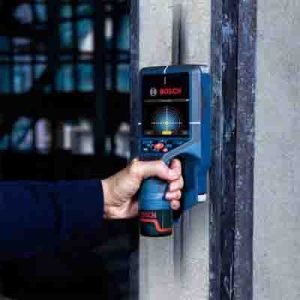
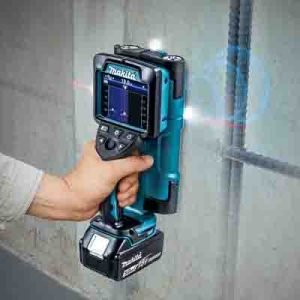
A cordless wall scanner is a practical detection device used to locate objects concealed behind wall surfaces before drilling, cutting or fixing. Depending on the model, a scanner may identify timber studs, metal, pipes or electrical wiring within suitable materials. This can make it a valuable addition to a DIY toolkit as well as a professional equipment collection.
Unlike traditional stud finders that may focus on a single detection method, more advanced wall scanners can combine several sensing technologies to provide broader information about what may be hidden inside a wall. This is particularly useful during kitchen fitting, shelving installation, cable routing, plumbing work, partition installation and general refurbishment. However, detection results can vary according to wall construction, surface finish, object size, depth and environmental conditions, so scanners should always be used according to the manufacturer's instructions.
The exact detection functions depend on the product. Many wall scanners are designed to locate different materials or structures, such as wooden studs, metal framing, pipes and electrical conductors. Some models offer selectable detection modes for different applications, while others provide visual or audible indications when an object is detected.
For UK homes and commercial properties, wall construction can vary considerably. Plasterboard partitions, brickwork, blockwork and other materials can affect scanner performance. Before selecting a model, consider the surfaces you are most likely to scan and the types of concealed objects you need to locate.
A cordless design offers freedom of movement around walls, ceilings and awkward installation areas. Without a mains cable, the scanner can be carried easily between rooms or used where a convenient power socket is unavailable. Battery operation can also make the device easier to store alongside other cordless equipment.
Another benefit is improved preparation before drilling. Identifying potential obstructions can help you choose safer fixing points and reduce the risk of damaging concealed services or structural components. A wall scanner should not be treated as a guarantee that an area is safe to drill, but it can provide useful information when combined with appropriate installation practices and other checks.
Look for detection modes that match your typical work. Stud detection can help with locating timber framing, while metal and electrical detection may be useful during installation and renovation projects.
Maximum detection depth is an important specification, but advertised performance can depend on material and target conditions. Compare the manufacturer's stated detection ranges with the walls and objects you expect to scan.
A clear display can make results easier to interpret, particularly when scanning across large surfaces. Audible alerts, visual indicators and easy-to-read detection signals can also improve usability.
Consider the battery type, expected operating time and charging arrangements. A compact scanner can be especially convenient for tradespeople who carry several tools between jobs.
Start by checking the manufacturer's instructions and selecting the appropriate detection mode. Prepare the scanning surface as recommended and calibrate the device where required. Move the scanner steadily across the wall rather than rushing over the surface, and pay attention to changes in the display or alert system.
When a potential object is detected, scan the surrounding area from different directions where the manufacturer's guidance permits. This can help establish the likely position and boundaries of the detected material. Before drilling, always consider additional information such as building plans, visible sockets, switches, plumbing routes and other signs of concealed services.
Cordless wall scanners can suit homeowners carrying out DIY improvements, installers mounting fixtures, electricians and plumbers working around existing structures, joiners fitting wall-mounted components, and general tradespeople involved in renovation work. They are particularly useful when accurate knowledge of a wall's concealed structure can help inform the next stage of a project.
When comparing cordless wall scanners, focus on the detection functions, compatible surfaces, depth specifications, battery arrangement, display and overall ease of use rather than choosing solely on price. The right scanner should match the materials and applications you regularly encounter.
Explore the cordless wall scanner category to compare available options and find a practical detection solution for DIY, installation, maintenance and renovation work across the UK.
Find a cordless wall scanner designed to make drilling, fixing, mounting and renovation work more informed and efficient. A wall scanner can help identify objects hidden behind plasterboard and other wall surfaces, including timber studs, metal components, pipes and electrical wiring, depending on the scanner's detection technology. Cordless models provide the convenience of battery-powered operation without a mains cable getting in the way. For UK DIY users, tradespeople, installers and renovation professionals, choosing the right wall scanner means considering detection capability, scanning depth, display clarity, handling, battery system and the type of material being inspected. Browse the cordless wall scanner category to compare suitable options for different wall-checking and installation tasks.