

♥ Wishlist


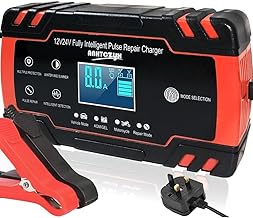
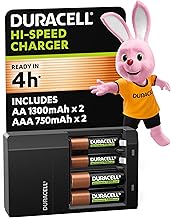


The right battery and charger can make a significant difference to the reliability and convenience of everyday devices and equipment. Whether you need a replacement battery, a spare power source or a compatible charger, choosing products with the correct specifications is essential. This category brings together battery and charger solutions for shoppers looking to compare practical power options in the UK.
Battery products can vary considerably in chemistry, voltage, capacity, size, connection type and intended application. Chargers also differ in output, charging technology, connector design and compatibility. Before making a purchase, it is important to check the requirements of your device or equipment and compare them with the specifications of the battery or charger you are considering.
Start by identifying the exact battery or charging requirements of your device. If you are replacing an existing battery, check its label, model number, voltage and capacity. For chargers, confirm the required input and output specifications as well as the connector or charging interface. Matching these details helps reduce the risk of selecting an unsuitable product.
Battery chemistry and physical dimensions are important considerations. Common rechargeable technologies include lithium-ion, nickel-metal hydride and other specialised battery formats. A battery should only be used with equipment designed for that battery type and specification. If a replacement is required, comparing the original manufacturer's model reference can be one of the simplest ways to establish compatibility.
Voltage needs to match the requirements of the equipment, while capacity can influence how long a rechargeable battery can operate between charges. Capacity is commonly expressed in ampere-hours or milliampere-hours, depending on the product. A higher capacity does not automatically mean a better choice if the battery is incompatible with the equipment or charger. Always prioritise the manufacturer's specifications and intended use.
A charger should be compatible with both the battery and the equipment for which it is intended. Look at charging voltage, current, connector type and supported battery chemistry. Some modern chargers incorporate features such as charging indicators, automatic charging control or protection systems. These features can be useful, but compatibility remains the most important factor when comparing options.
Battery and charger requirements vary according to the product they power. Rechargeable batteries can provide a convenient option for equipment that is used frequently, while replacement batteries can restore the operating time of devices when an original battery has reached the end of its useful life. Portable charging products can also be useful when access to a conventional power socket is limited.
Rechargeable batteries are designed to be charged and reused, making them suitable for applications where batteries are used regularly. When comparing rechargeable options, consider capacity, expected usage, charging time and compatibility with the intended device. Always follow the manufacturer's instructions for charging, storage and handling.
A spare battery can be useful when continuous operation is important or when charging opportunities are limited. For replacement purchases, compare the model number and specifications carefully rather than relying only on the appearance of the battery. Physical similarity does not guarantee electrical compatibility.
Chargers are available in different formats to suit different devices and applications. A mains charger can provide convenient charging at home or in the workplace, while portable charging solutions can provide additional flexibility when travelling or working away from a fixed power source. Check connector type and electrical specifications before purchase.
When comparing battery and charger products, pay attention to compatibility, voltage, capacity, connector type, charging method and intended application. It is also worth considering physical size and weight where portability matters. For UK shoppers, checking whether a charger is appropriate for UK electrical requirements is particularly important. Product specifications should take priority over assumptions based on appearance or general product descriptions.
For frequently used equipment, durability and dependable charging can be important purchasing considerations. If the product is intended for occasional use, portability, storage convenience or overall value may be more relevant. Reading the available specifications can help you narrow the choices according to how and where the battery or charger will be used.
Before ordering, make a short checklist of the device model, original battery reference, voltage, capacity and connector requirements. If you are purchasing a charger, also verify its input and output ratings and supported battery type. This approach can help prevent compatibility problems and make it easier to compare similar products.
For replacement batteries, compare the new product against the original specification wherever possible. For chargers, avoid choosing solely on the basis of a familiar connector, as products using similar connectors can still have different electrical requirements. Keeping the battery and charger manufacturer's guidance available can help ensure the selected products are appropriate for their intended application.
Whether you need a replacement, spare or charging solution, comparing products by their specifications is a practical way to make a confident purchase. Explore the Battery And Charger category to compare available options and identify a solution that matches your equipment, usage requirements and budget.
Find suitable battery and charger solutions for a wide range of everyday devices and equipment. Compare battery types, capacities, charger compatibility and practical features to choose the right option for your needs in the UK.