

♥ Wishlist




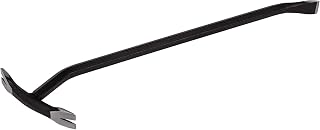


A crowbar hand tool is a straightforward but highly useful piece of equipment for jobs that require leverage rather than cutting or fastening. Commonly made from strong steel, crowbars are used for prying, lifting, separating, loosening and dismantling materials. They can be particularly useful during renovation, construction, landscaping, maintenance and general DIY projects where a standard hand tool may not provide enough leverage.
Depending on the design, a crowbar may feature a straight end, angled tip, pointed end, claw or flattened edge. These different profiles are suited to different applications. A clawed crowbar, for example, can be useful for pulling nails or working beneath timber, while a pointed or flattened end can help with positioning, separating or lifting materials. Selecting the correct shape for the task can make a noticeable difference to handling and control.
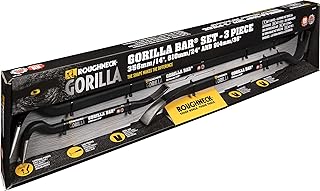
There is no single crowbar that suits every application. Compact crowbars are easier to manoeuvre in confined areas and can be useful for lighter DIY and maintenance tasks. Longer crowbars generally provide greater leverage, making them suitable for heavier prying and lifting work. Before choosing a tool, consider the available working space, the material being moved and the amount of leverage required.
For demanding construction and dismantling work, look for a robust steel construction and a profile that matches the task. For occasional household use, a more compact option may offer a useful balance between strength, portability and storage. The best crowbar hand tool is one that provides sufficient leverage while remaining comfortable and controllable during use.
Crowbars are widely used when dismantling timber structures, lifting boards, separating materials and removing components during renovation. Their mechanical advantage can help with tasks where pulling or lifting by hand would be inefficient.
A suitable crowbar can be useful for removing old flooring, lifting boards, dismantling furniture and carrying out general repair work. Compact designs are often easier to store in a home workshop or garage.
Strong pry bars and crowbars can also assist with moving stones, positioning heavy materials and working with compacted ground. Always select a tool designed for the intended level of force and use appropriate protective equipment.
Material strength is an important consideration when choosing a crowbar. Steel construction is commonly preferred for demanding leverage applications because of its durability. Length also matters: a longer bar can provide more leverage, while a shorter model generally offers better control in restricted spaces.
The working end should match the intended task. A claw can help with pulling and gripping, while a flat end is useful for inserting the tool between materials. A pointed end may be useful for positioning or breaking through certain materials. Handle shape, surface finish and overall weight can also affect comfort during extended use.
For UK shoppers, a crowbar can be a valuable addition to a toolbox, garage or professional site kit. Builders, carpenters, contractors, maintenance workers and serious DIY enthusiasts can all benefit from having an appropriate leverage tool available. Whether you are stripping out an old room, repairing timber, dismantling a structure or moving awkward materials, the correct crowbar can reduce the effort required for many manual tasks.
Crowbars can generate substantial force, so safe handling is essential. Wear suitable eye protection and work gloves where appropriate, keep a stable stance and ensure the tool is properly positioned before applying pressure. Avoid using a damaged or visibly bent bar for demanding work. Keep other people clear of the working area and be particularly careful when materials may move suddenly.
A quality crowbar is a simple investment that can provide useful leverage across a wide range of jobs. Unlike powered equipment, it requires no battery, mains supply or complicated setup. Its compact design also makes it easy to keep ready for unexpected repair, maintenance and dismantling tasks. By choosing a suitable length, profile and construction, UK shoppers can add a versatile tool to their collection for both everyday DIY and more demanding work.
When a job requires controlled leverage, a reliable crowbar hand tool can make difficult lifting, prying and dismantling tasks much easier. Crowbars are practical workshop and building tools designed to provide strong mechanical leverage when removing materials, separating components or shifting heavy objects. For UK tradespeople, DIY users, builders and maintenance workers, choosing the right size and design can improve control, efficiency and confidence on demanding jobs.