

♥ Wishlist


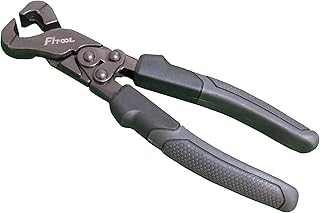

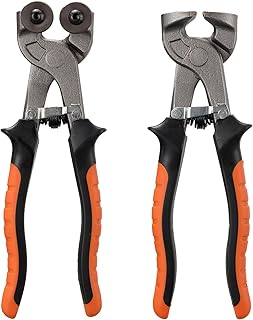


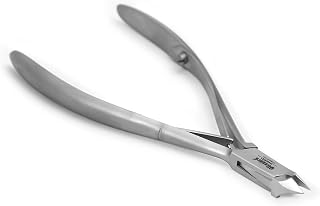


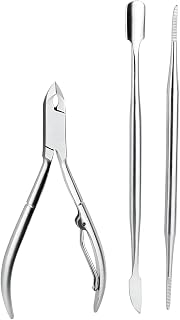


Nippers hand tools are compact cutting tools designed for controlled trimming and cutting applications. Their specialised jaws allow users to work on small materials where a larger cutting tool may be awkward or unnecessarily bulky. For UK shoppers, nippers can be a useful addition to a household toolkit, workshop, craft collection or professional tool bag.
The term nippers covers several styles of hand-operated cutting tools, with designs suited to different materials and applications. Depending on the construction and jaw shape, nippers may be used for trimming wire, cutting small components, removing protruding material, working with craft materials or completing detailed workshop tasks. Selecting the correct type is important because a tool designed for light trimming should not automatically be used for heavy-duty cutting.
Different nippers are designed around particular cutting requirements. End-cutting nippers are useful when the cutting action needs to be applied close to a surface, while side-cutting styles can be convenient for wire and other narrow materials. Some compact designs are particularly suited to detailed craft and hobby work, whereas stronger versions may be better for workshop maintenance and demanding applications.
When comparing products, consider the jaw design, cutting capacity, handle shape and intended application. A precise tool with a suitable cutting edge can provide better control than a general-purpose tool when working in confined or delicate areas.
Check the manufacturer's stated cutting capacity before choosing a pair of nippers. The appropriate capacity depends on the material and thickness you intend to cut. Staying within the recommended limits can help protect both the tool and the material.
The shape and position of the cutting jaws affect how the tool can be used. Consider whether you need access from the side, a flush cutting action or greater reach around a component. The right jaw configuration can make repetitive trimming tasks considerably more convenient.
Comfort becomes particularly important when nippers are used frequently. Look for handles that provide a secure grip and allow controlled operation. Ergonomically shaped handles may be helpful for repeated cutting tasks, while compact handles can be advantageous where storage space or portability matters.
Durable construction is worth considering when a tool will be used regularly. Strong materials, well-finished cutting edges and a reliable pivot can contribute to consistent performance. For occasional household jobs, a straightforward design may be sufficient, while professional users may prefer tools designed for frequent use.
Nippers can support a variety of practical jobs. DIY users may keep them available for small repairs and trimming tasks, while hobbyists can use suitable designs for model making, crafts and detailed projects. In workshops, nippers may be useful for removing excess material or carrying out controlled cutting work. They can also complement larger tools by providing access where conventional cutters are difficult to position.
For electrical or specialist applications, always select a tool specifically rated for the intended work. Standard nippers should not be assumed to provide insulation or protection against electrical hazards simply because they are suitable for cutting wire in non-live applications.
Use nippers only for materials and applications within the manufacturer's specifications. Wear suitable eye protection when cutting materials that could produce flying fragments, and keep fingers clear of the cutting jaws. Do not use nippers as hammers, pry bars or gripping tools unless the manufacturer specifically states that they are designed for those purposes.
Keeping the cutting edges clean and storing the tool in a dry environment can help maintain performance. If the jaws become damaged, misaligned or excessively worn, replacement is generally preferable to forcing the tool to perform beyond its intended capability.
The best nippers hand tool depends on what you need to cut, how frequently you will use the tool and how much access you have around the workpiece. Compare cutting style, jaw configuration, size, handle comfort and stated capacity before making a decision. A well-matched pair can provide precise control for small jobs without taking up much room in a toolkit.
For UK shoppers, considering the intended application first can make it easier to narrow down suitable options. Whether you are preparing a home toolkit, upgrading workshop equipment or looking for a compact tool for craft and maintenance work, nippers can provide a convenient solution for controlled cutting and trimming.
Find practical nippers hand tools for accurate cutting, trimming and detail work. Designed for tasks where controlled cutting is important, nippers are useful across DIY, maintenance, crafts, electrical work and general workshop applications. Whether you need a compact pair for occasional jobs or a robust hand tool for regular use, choosing the right nippers can make small cutting tasks quicker, cleaner and easier.