

♥ Wishlist


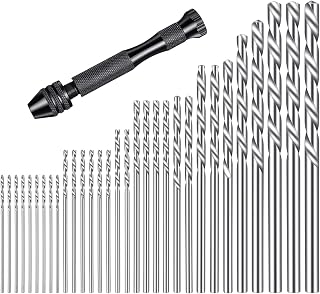

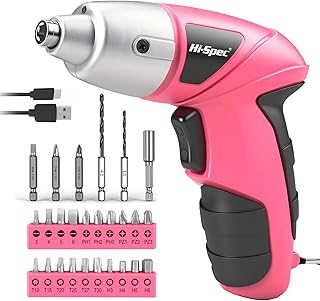


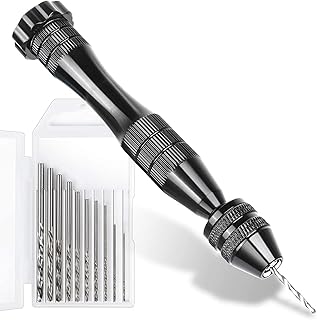


Hand drills hand tool products offer a straightforward approach to drilling when you want manual control rather than relying on a powered drill. A traditional hand drill can be useful for woodworking, furniture repairs, craft projects, workshop maintenance and smaller DIY tasks where careful positioning is important. Because these tools do not depend on batteries, chargers or mains electricity, they can also be convenient for occasional jobs and locations where access to power is limited.
When choosing a hand drill for use in the UK, it is worth considering the type of work you expect to undertake, the materials you will be drilling and the level of control required. Manual hand drills are commonly associated with woodwork and general workshop tasks, although the suitable application depends on the specific tool and compatible drill bits. A compact design can make a hand drill easier to carry between work areas, while a comfortable handle or grip can help provide better control during repeated drilling.
A hand drill can provide a useful alternative to powered drilling equipment. Manual operation gives the user direct control over drilling speed and pressure, which can be helpful when working on delicate materials or completing jobs that require a measured approach. Hand drills are also relatively simple tools, making them suitable for toolboxes, home workshops and practical DIY collections.
For woodworking enthusiasts, a traditional hand drill can be especially useful for small holes, pilot holes and detailed projects. The slower manual action can help users concentrate on hole placement and avoid applying excessive force. This can be valuable when working with finished surfaces where careful handling is important.
Woodworking is one of the common applications for manual hand drills. Whether you are repairing furniture, preparing a timber project or completing a small home improvement task, a hand-operated drill can provide a practical way to make controlled holes. The appropriate drill bit should always be selected according to the material and the requirements of the job.
DIY users may also appreciate hand drills for occasional repairs and projects. Unlike powered tools, a manual drill does not require a charged battery or electrical socket. This makes it easy to keep ready in a toolbox for quick jobs around the home, garage or workshop.
Before buying a hand drill, consider its construction, handle design, chuck or bit-holding mechanism, size and intended use. The mechanism should securely hold compatible bits, while the handle should feel comfortable enough for the amount of manual effort required. A compact tool may be preferable for detailed work, whereas a larger design can be useful when additional leverage or a particular drilling mechanism is required.
It is also important to check compatibility with the drill bits you already own or plan to purchase. Different drilling jobs can require different bit types, sizes and materials. Checking the product specifications before purchase can help ensure that the hand drill suits your intended application.
One of the main advantages of a manual hand drill is the ability to control the drilling process directly. Instead of relying on a motor running at a fixed speed, the user controls the movement. This can be useful for delicate woodworking and precision-oriented tasks where gradual progress is preferred.
Manual operation can also make it easier to stop immediately when the desired depth or position has been reached. For beginners, this direct interaction with the tool can provide a useful way to develop basic drilling technique and understand how different materials respond to pressure and rotation.
A hand drill can occupy very little space compared with many powered drilling machines, making it a practical addition to a home workshop or toolbox. It can complement cordless drills, electric drills and other hand tools rather than necessarily replacing them. Having both manual and powered options allows users to select a tool according to the size, location and precision requirements of each job.
For UK shoppers, consider the type of projects you regularly complete before choosing a product. If your work mainly involves occasional woodworking, repairs or craft applications, a compact manual drill may be suitable. If you need to complete larger drilling jobs or work with tougher materials, a powered drill may be more appropriate. Always follow the manufacturer's instructions and use suitable protective equipment for the task.
Explore the hand drills hand tool category when you are looking for a practical manual drilling solution for DIY, woodworking and workshop applications. Compare available designs according to their intended use, construction, size and bit compatibility. Choosing a suitable hand drill can give you a simple and portable option for controlled drilling whenever manual operation is preferable.
Whether you are building a traditional woodworking toolkit, maintaining a home workshop or looking for a compact drilling tool for occasional repairs, a hand drill can be a useful addition to your collection. Review the product information carefully and select a tool that matches the materials and tasks you expect to handle.
Find practical hand drills hand tool options for jobs where controlled, manual drilling is useful. Hand drills are simple, portable tools designed for creating holes without relying on an electric motor or mains power. They can be particularly useful for woodworking, traditional craft work, small repairs, model making, maintenance and workshop applications where precision and control matter. For UK DIY users and tradespeople, choosing the right hand drill can make detailed drilling tasks easier while keeping the tool compact and straightforward to use.