

♥ Wishlist


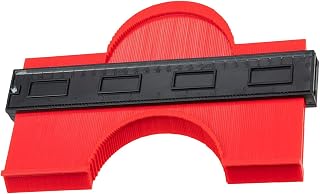

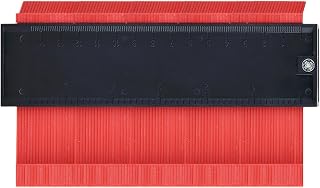


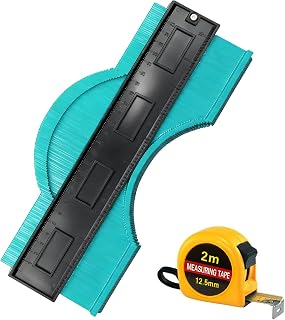


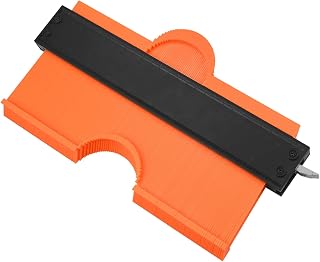


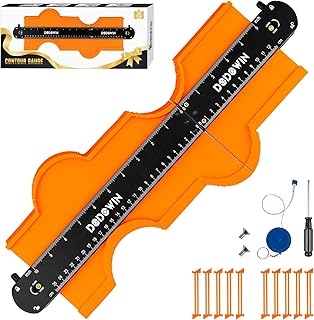

A contour gauge is designed to make awkward measuring jobs considerably easier. When you need to reproduce the shape of a skirting board, pipe, door frame, worktop, tile edge or another uneven surface, a conventional ruler or tape measure may not capture the profile accurately. A contour profile gauge solves this problem by using a set of movable pins that conform to the surface being copied. Once the pins have formed the required outline, the shape can be transferred to the material you are cutting, marking or fitting.
For UK DIY enthusiasts and tradespeople, a contour gauge can be a useful addition to a toolbox. It is especially valuable when working with materials that need to fit closely around obstacles or irregular edges. Flooring installers can use a profile gauge to copy complicated edges around door frames, pipes and walls. Woodworkers can use one when creating templates for unusual joints, trims or replacement pieces. Tilers may also find a contour copying tool useful when tiles need to be cut around fixtures, corners and other difficult shapes.
A contour profile gauge typically consists of a row of narrow pins or blades held within a frame. When the gauge is pressed against an object, the individual pins move to reproduce its outline. The captured profile can then be traced onto a workpiece. Depending on the design, the gauge may include a locking mechanism to hold the pins securely after the shape has been copied.
This simple operating principle makes a contour gauge useful for both professional and household projects. Rather than calculating multiple dimensions or creating a temporary cardboard template, you can capture the profile directly. The result is a faster and often more convenient way to approach complex shapes.
When fitting laminate, vinyl, engineered wood or other flooring around awkward edges, accurate profile copying can help reduce unnecessary trial and error. A contour gauge can also assist carpenters and woodworkers when reproducing trims, mouldings and irregular timber profiles.
Tiles often need to be shaped around pipes, corners, frames and other fixed objects. A profile gauge can provide a useful outline before cutting, helping you plan the required shape more confidently.
Irregular spaces around pipes can be difficult to measure accurately. A contour copying gauge can help transfer the shape of an obstruction to a piece of board, flooring or another material that needs to fit around it.
Consider the gauge width and depth of the pins when selecting a contour gauge for a particular job. A wider gauge can cover larger profiles, while a narrower model may be easier to use in confined areas. Pin sensitivity is also important because the gauge needs to reproduce the shape consistently without excessive looseness.
A locking feature can be useful when the copied profile needs to remain unchanged while you transfer it to another surface. Look for a construction that feels durable and is suitable for the type of work you regularly undertake. Clear markings or a straightforward frame design can also make positioning and tracing easier.
Place the contour gauge against the edge or surface you want to copy and gently press the pins against it. Avoid applying excessive force, as the aim is to reproduce the profile rather than distort the surface. Once the pins have matched the shape, hold the gauge in position or engage its locking mechanism if available. Move it to the material you need to mark and trace along the captured profile. Always check the transferred outline before cutting, particularly when working with expensive materials.
A contour gauge can save time on jobs where conventional measuring equipment is less effective. It is compact, easy to understand and suitable for a broad range of applications. Whether you are undertaking a home renovation, installing flooring, cutting tiles, making furniture or completing workshop projects, the ability to copy an irregular shape directly can make planning and marking more straightforward.
For UK shoppers, choosing the right contour gauge comes down to the size of the profiles you expect to copy, the working environment and the type of materials you normally handle. Compare the available options carefully and select a profile gauge that matches your project requirements, workspace and expected frequency of use.
A contour gauge is a practical measuring and marking tool designed to copy the shape of irregular surfaces, curves and profiles. Instead of relying on estimates or repeated measurements, a contour profile gauge lets you capture an existing shape and transfer it to another material. This makes contour gauges particularly useful for flooring, woodworking, tiling, carpentry, decorating, plumbing and general DIY projects. Explore the Contour Gauge category at TopTopDeal for a convenient way to compare suitable profile-copying tools for projects around the home or workshop.