

♥ Wishlist


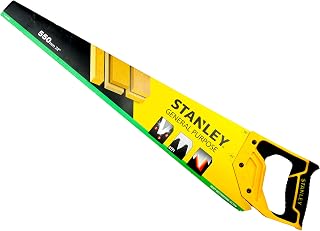


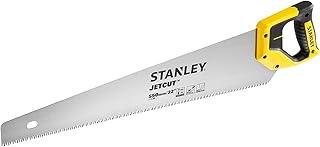





A hacksaw hand tool is a dependable addition to a DIY toolkit, workshop or professional tool collection. Designed for controlled manual cutting, a hacksaw can be used for a wide range of jobs where a clean and manageable cut is required. Depending on the blade fitted, hacksaws can be suitable for cutting materials such as metal, plastic, tubing, conduit, threaded rod and other common workshop materials.
For UK shoppers, selecting the right hacksaw is about more than simply choosing a frame. The blade, tooth configuration, frame design, grip and overall build can all affect cutting performance. A well-matched hacksaw allows you to work with better control and can make repetitive cutting tasks more comfortable. For occasional household repairs, a straightforward general-purpose frame may be sufficient, while tradespeople and frequent users may prefer a robust design capable of handling regular workshop use.
When comparing hacksaws, start by considering the materials you expect to cut and how frequently the tool will be used. A strong frame can provide stability during cutting, while a comfortable handle can help maintain a secure grip. Blade compatibility is also important because different tooth patterns are suited to different materials and thicknesses.
For general DIY work, a versatile hacksaw with an easily replaceable blade can be a useful choice. If you regularly cut metal sections, pipes or other tougher materials, look for a frame and blade combination designed for dependable cutting. A suitable blade should allow the teeth to engage the material effectively without excessive force.
The blade is one of the most important parts of a hacksaw hand tool. Blades are available with different tooth densities, commonly expressed as teeth per inch. Finer-tooth blades can be useful for thinner materials, while coarser-tooth blades can be better suited to thicker sections where efficient material removal is required.
Choosing an appropriate blade helps you achieve a controlled cut and can reduce unnecessary effort. Before starting a project, check that the blade is suitable for the material and thickness involved. Replacement blades are also useful for maintaining cutting performance when an existing blade becomes worn or damaged.
A hacksaw can handle many common household cutting tasks. It can be useful for adjusting plastic pipe, cutting small metal sections, trimming threaded components and completing general repair work. Its manual operation also makes it practical for jobs where using a powered cutting tool would be unnecessary or inconvenient.
For occasional DIY users, ease of handling and straightforward blade replacement may be more important than specialist features. A compact or conventional frame can provide useful versatility without taking up excessive storage space in a toolbox or garage.
Frequent users may benefit from choosing a hacksaw with a durable frame, comfortable handle and reliable blade retention system. In workshop and trade environments, consistent handling can be particularly important when several cuts need to be completed during a project.
Consider the type of work you perform most often before selecting a tool. A general-purpose hacksaw can cover many applications, while having different compatible blades available can provide greater flexibility. Keeping spare blades in your workshop can also help minimise interruptions when a blade reaches the end of its useful life.
Mark the cutting line clearly before beginning and secure the workpiece so it cannot move unnecessarily. Start the cut with controlled strokes before increasing the rhythm. Allow the blade teeth to do the cutting rather than applying excessive pressure. Keeping the blade aligned with the intended cutting line can help produce a straighter result.
Always use appropriate protective equipment for the task and inspect the blade and frame before use. Replace damaged or excessively worn blades rather than continuing to use them. Safe working practices are especially important when cutting metal, as sharp edges and swarf can present hazards.
When shopping for a hacksaw hand tool in the UK, compare frame construction, handle comfort, blade compatibility, replacement blade availability and intended application. Think about whether you need a tool for occasional home maintenance or frequent professional use. The best option is the one that matches your typical materials, cutting requirements and working frequency.
Explore the available hacksaw hand tools to find a practical option for your next repair, maintenance, DIY or workshop project. Choosing the right frame and blade combination can give you a versatile manual cutting solution that is easy to store, simple to operate and useful across a wide range of applications.
Find a practical hacksaw hand tool for DIY, maintenance, workshop and trade applications. Hacksaws are versatile manual cutting tools designed for controlled cutting through materials such as metal, plastic, conduit, pipe and other suitable materials. Whether you are completing home repairs or working on a professional project, choosing the right hacksaw frame and blade can make cutting more comfortable, accurate and efficient.