

♥ Wishlist
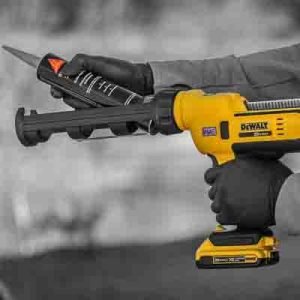
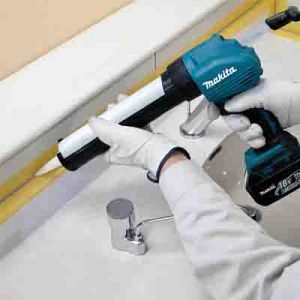
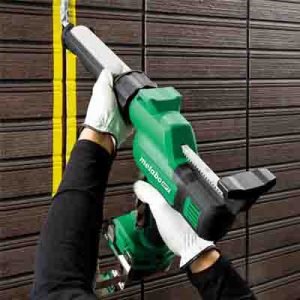
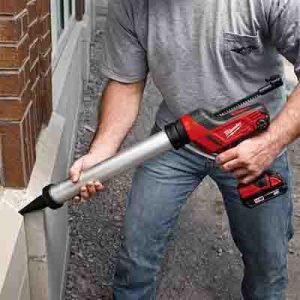


A cordless caulking gun is designed to make sealant application more efficient by using a battery-powered motor to push material from a cartridge or compatible container. Instead of relying entirely on hand pressure, the user can control the flow with the tool's trigger and dispensing mechanism. This can make a noticeable difference when working on long joints, repetitive sealing tasks or materials that require greater force to dispense.
For UK DIY enthusiasts, decorators, tradespeople and renovation professionals, a cordless caulking gun can be a practical addition to a wider collection of power tools. It can be used for jobs such as sealing around baths and sinks, finishing skirting boards, filling gaps around windows and doors, applying construction adhesive and completing general maintenance work. The cordless design also avoids the restriction of a mains cable, making it easier to move around rooms, work areas and construction sites.
Manual caulking guns can be effective for occasional applications, but repeated use may become tiring, particularly when working with thicker sealants or adhesive products. A cordless model provides powered assistance that can help maintain a steadier material flow. This can be particularly useful when creating long, continuous beads where consistent pressure and speed are important.
Another benefit is improved control. Depending on the design, cordless caulking guns may offer variable-speed operation, adjustable dispensing settings or automatic mechanisms that help reduce unwanted material flow after the trigger is released. These features can help users work more neatly and reduce unnecessary waste. However, the exact controls vary between models, so it is worth checking the specifications before choosing a tool.
When comparing cordless caulking guns, consider the type of work you regularly carry out and the materials you intend to dispense. Cartridge compatibility is especially important. Some models are designed around common cartridge formats, while others may support different capacities or dispensing systems. Checking compatibility before purchase helps ensure that the tool suits the sealants and adhesives you already use.
Battery performance is another important consideration. A higher-capacity battery can be useful for extended jobs, while a compact battery may be preferable for lighter DIY applications. If you already own compatible cordless tools from a particular battery platform, selecting a caulking gun from the same system may provide convenience by allowing batteries to be shared, subject to manufacturer compatibility.
Look for a model with suitable dispensing control if precision is important. Variable-speed control can help users adjust the material flow according to the sealant, surface and joint size. A slower setting may be helpful for detailed finishing, while a faster setting can save time on larger areas. Automatic anti-drip or pressure-release features can also help minimise excess material when the trigger is released.
Comfort matters when a caulking gun is used for extended periods. Consider the grip, weight, trigger position and overall balance of the tool. A well-balanced cordless caulking gun can be easier to guide along a joint while maintaining a consistent angle. Compact designs can also be helpful when sealing in restricted spaces or around fixtures.
Cordless caulking guns have a broad range of applications. In bathrooms and kitchens, they can help apply appropriate sealants around fixtures and joints. During decorating projects, they can be useful for finishing gaps around skirting boards, frames and other surfaces. Construction and renovation tasks may involve applying compatible adhesives, bonding compounds or sealants over larger areas where consistent dispensing can save time.
They can also be useful for window and door installation, joinery, general property maintenance and workshop projects. Always follow the instructions supplied with the sealant or adhesive, including recommendations for surface preparation, curing time and ventilation. The dispensing tool should also be used only with materials and cartridges approved for that particular model.
Good results depend on more than the caulking gun itself. Prepare the surface carefully by removing dirt, loose material and old sealant where appropriate. Cut the cartridge nozzle to the required size and shape, then test the flow on a scrap surface if you are unfamiliar with the material. Keep the gun at a consistent angle and move it smoothly along the joint rather than repeatedly stopping and starting.
After dispensing, tool the bead according to the sealant manufacturer's instructions to achieve the desired finish. Clean up excess material promptly using suitable methods recommended for the product. When the job is complete, follow the manufacturer's cleaning and storage guidance for the cordless caulking gun. Proper care can help keep the dispensing mechanism working reliably and ready for future projects.
Whether you are tackling a home improvement project or completing regular professional sealing work, a cordless caulking gun can provide useful powered assistance and greater control than a traditional manual applicator. Compare the available specifications, battery system, cartridge compatibility, dispensing controls, ergonomics and intended applications before making your choice. Selecting a tool that matches your workload and materials can make repetitive sealing tasks more comfortable while helping you achieve a cleaner, more consistent finish.
A cordless caulking gun makes applying sealant, adhesive and other cartridge-based materials easier, faster and more consistent. Designed for users who want controlled dispensing without repeatedly squeezing a manual trigger, these battery-powered tools are useful for decorating, bathroom renovation, kitchen fitting, window installation, joinery, construction and general DIY. Explore cordless caulking gun options with features designed to improve application control, reduce hand fatigue and create cleaner finished joints.