

♥ Wishlist


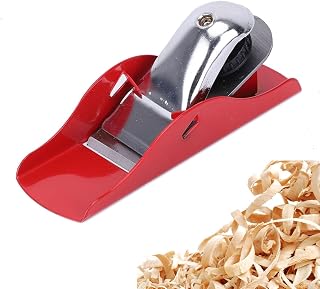


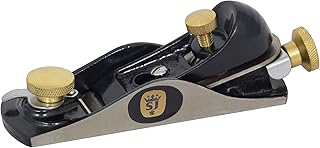


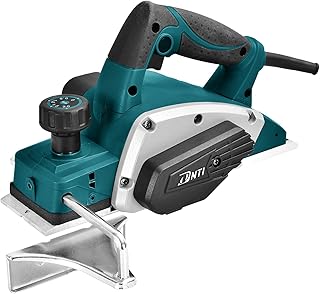


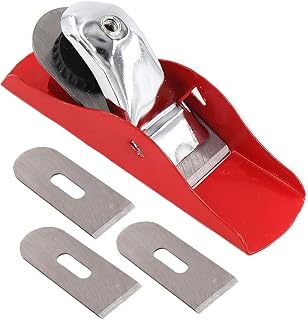

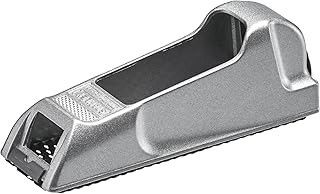


A hand planer is a useful woodworking tool designed to remove controlled amounts of material from timber, helping you smooth surfaces, adjust edges and achieve a more accurate fit. From preparing rough boards to refining doors and furniture components, a suitable planer can make everyday woodworking jobs easier and more consistent. For UK DIY enthusiasts, tradespeople and experienced woodworkers, choosing the right type of planer depends on the material, the amount of stock that needs removing and the finish required.
When selecting a hand planer, consider the type of work you regularly carry out. Some tasks require controlled material removal across a broad timber surface, while others need careful trimming along an edge or around a joint. A compact option can be useful for smaller jobs and detailed work, whereas a larger planer may provide greater stability when working across wider boards. Thinking about the size and nature of your projects before buying can help you select a tool that is comfortable and practical for your needs.
One of the most common uses for a hand planer is smoothing timber. Planing can help remove uneven sections, reduce high spots and prepare wood for later finishing. It is particularly useful when working with solid timber that needs to be brought to a consistent thickness or when an existing surface needs careful adjustment.
Hand planers can also be valuable for shaping and fitting components. A small amount of material can be removed from an edge to improve the fit of a door, drawer, shelf or other wooden component. This makes a planer a versatile addition to a home workshop, garage or professional woodworking environment.
Start by identifying the type of woodworking you intend to do. Different planer designs are suited to different applications, so consider whether you need a tool primarily for surface preparation, edge adjustment, trimming or more general woodworking. Matching the tool to the task can improve control and help avoid removing more material than necessary.
The blade is central to planer performance. A sharp, properly positioned blade can produce cleaner cuts and make controlled material removal easier. Look for a design that allows practical blade adjustment and maintenance so the tool can continue performing effectively over time.
Comfort matters when planing timber repeatedly. A well-balanced tool with a practical grip can make longer woodworking sessions more manageable. Consider the overall size and weight of the planer, particularly if you expect to use it frequently or work on larger pieces of timber.
Different types of timber can respond differently to planing. Softwoods, hardwoods and figured timber may require different techniques and blade settings. Before starting a project, consider the characteristics of the wood and use appropriate cutting depth and technique for controlled results.
A hand planer can be useful for both occasional DIY projects and regular professional work. Home users may use one for repairing doors, adjusting timber, restoring furniture or completing renovation projects. Tradespeople and experienced woodworkers may require a dependable planer for repeated trimming, preparation and finishing tasks.
For occasional jobs, ease of use, straightforward adjustment and comfortable handling may be the main priorities. For frequent professional use, durability, blade performance, consistency and maintenance requirements can become more important. Considering how often the tool will be used can help you balance performance and practicality when selecting a model.
Prepare the timber securely before beginning and inspect the surface for anything that could damage the blade. Set the cutting depth conservatively, particularly when working with unfamiliar timber. Take controlled passes rather than attempting to remove a large amount of material at once. Check the surface regularly and adjust the blade setting when necessary.
Pay attention to the direction of the wood grain. Working with the grain can generally help produce a cleaner surface, while planing against difficult grain can increase the risk of tear-out. Keeping blades sharp and maintaining the planer properly can also contribute to smoother and more predictable results.
Choosing the right hand planer comes down to the work you need to complete, the type of timber you use and the level of control you expect from your equipment. Consider planer design, blade adjustment, handling, construction and intended application before making your choice. Whether you are completing a small home improvement project or preparing timber for detailed woodworking, a suitable hand planer can be a valuable workshop tool.
Browse the hand planer category to compare suitable options for woodworking, timber preparation, trimming and finishing. Select a tool that fits your project requirements and working style, and make accurate material removal part of your regular woodworking routine.
Find a practical hand planer for woodworking, timber preparation, trimming and finishing. Whether you are working on doors, boards, furniture or DIY projects, the right planer can help create smoother surfaces and accurate edges. Explore hand planer options suited to different woodworking tasks and choose equipment that matches your project, material and working requirements.