

♥ Wishlist


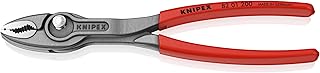


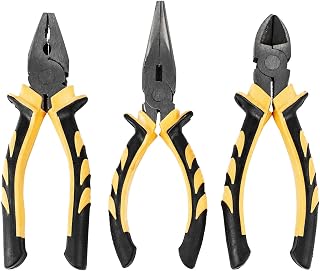


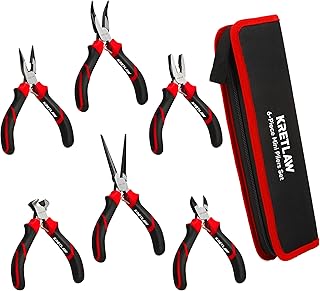


Pliers are versatile hand tools designed to grip, hold, bend, twist, cut or manipulate materials that may be difficult to handle with your fingers. A well-chosen pair can be useful for home maintenance, DIY projects, electrical tasks, automotive work, crafting and general workshop jobs. Because different designs are made for different purposes, understanding the main types of pliers can make it easier to choose the right tool for your requirements.
When choosing pliers, start by considering what you need the tool to do. Combination pliers are a popular all-round option, offering gripping jaws and cutting edges for a range of everyday tasks. Long-nose pliers have narrow, extended jaws that can reach into confined spaces and are particularly useful when handling small components or wires. Side cutters, also known as diagonal cutters, are designed primarily for cutting wire and similar materials.
For electrical work, insulated or electrician-oriented designs can provide features intended for handling electrical wiring. Always check the manufacturer's specifications and use suitable safety equipment when working around electrical systems. Locking pliers can clamp onto an item and maintain a strong hold, making them useful when a firm grip is needed for longer periods.
Combination pliers are useful for general-purpose gripping, bending and cutting. They are a practical choice for toolboxes where one versatile tool needs to cover several common tasks.
Long-nose pliers provide greater reach and precision than wider-jaw designs. Their slim profile makes them useful for positioning wires, reaching into narrow areas and working with small parts.
Cutting pliers are designed around sharp cutting edges and are commonly used for trimming wires, cable ties and suitable soft materials. Check the stated cutting capacity before use.
Locking pliers use an adjustable mechanism to clamp onto an object. They can be helpful for gripping, holding and stabilising components during repair and maintenance work.
Specialist pliers can include designs for circlips, electronics, plumbing, automotive applications, crimping and other specific jobs. Selecting a purpose-built tool can improve control and reduce the temptation to use an unsuitable general-purpose pair.
Consider jaw shape, handle design, overall size, cutting capacity and the materials you expect to work with. A comfortable non-slip handle can make repeated use easier, while accurately formed jaws can provide better control when gripping small objects. For cutting models, confirm that the tool is rated for the type and thickness of material you intend to cut.
Build quality is another important consideration. Pliers made from durable tool steel can be suitable for regular workshop use, while compact precision designs may be preferable for electronics, hobbies or detailed craft work. If you frequently switch between tasks, a selection of complementary plier types may offer more flexibility than relying on one pair.
A dependable pair of general-purpose pliers can be a useful addition to a UK household toolbox. They can assist with tightening or loosening suitable components, holding small parts, bending wire and carrying out basic maintenance. Long-nose pliers and side cutters can complement combination pliers when projects require additional reach or cutting ability.
For frequent professional or workshop use, focus on the specifications that matter most for the application. Tradespeople may need different jaw profiles, stronger construction or specialist features depending on the work. Keeping several suitable designs available can help avoid using a cutting tool for gripping or a general-purpose tool for a task requiring specialist precision.
Use pliers only for their intended purpose and select a tool appropriate for the material being handled. Do not use pliers as a substitute for a spanner unless the manufacturer specifically indicates that the design is suitable. Inspect jaws, cutting edges, pivots and handles regularly for damage or excessive wear. Keep moving joints clean and follow the manufacturer's maintenance recommendations.
Whether you need a dependable pair for household repairs, precision pliers for detailed work, cutters for wire or a specialist design for a particular application, comparing the available options can help you make a practical choice. Consider the job, required reach, gripping or cutting function, material capacity and frequency of use before selecting your pliers.
Find practical pliers for everyday DIY, home repairs, maintenance, crafting and workshop tasks. From general-purpose combination pliers and long-nose pliers to cutting and specialist designs, the right pair can provide a secure grip and controlled handling when working with wires, fasteners, small components and other materials. This category is designed for UK shoppers looking to compare useful plier types and select a tool suited to the job.