

♥ Wishlist


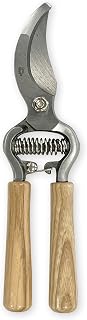

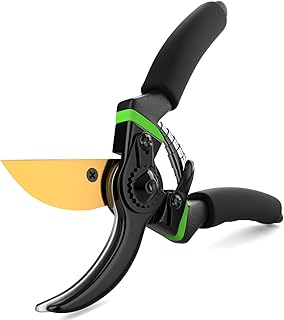


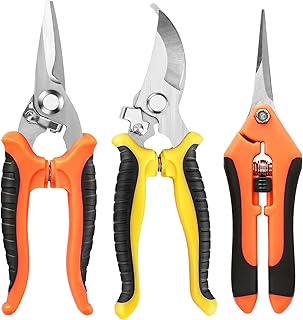


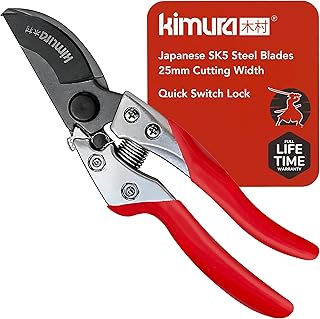


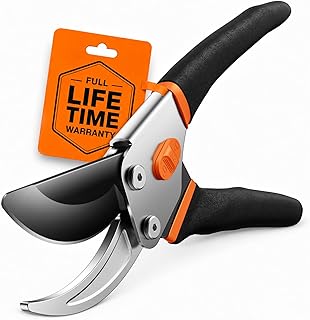


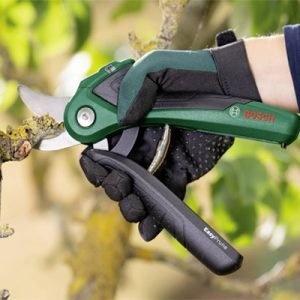
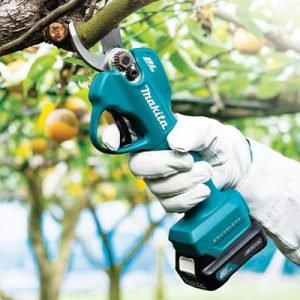
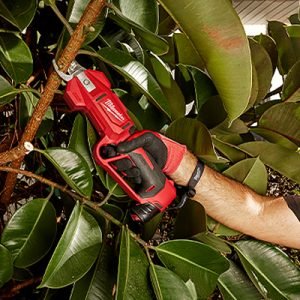
Cordless pruning shears are powered cutting tools designed to make repetitive garden pruning quicker and less physically demanding. Unlike conventional secateurs, which rely entirely on hand strength, battery-powered pruning shears use a motor to operate the cutting mechanism. This can be particularly useful when tackling a large number of stems, branches or plants during seasonal garden maintenance. The cordless design also allows you to move around the garden without being restricted by a mains cable.
For UK gardeners, cordless pruning shears can be useful for a wide range of outdoor tasks. They may be used for trimming ornamental shrubs, maintaining roses, pruning fruit trees, cutting back vines and managing new growth. Before choosing a pair, it is important to match the tool with the type and thickness of material you expect to cut. A compact model can be convenient for lighter pruning, while a more capable option may be better suited to thicker branches and longer sessions.
Start by checking the stated cutting capacity. This is one of the most important specifications because it indicates the approximate maximum branch diameter the tool is designed to handle. Avoid choosing a model based solely on its maximum specification; the actual performance can depend on the type and condition of the wood being cut. For regular garden work, selecting a suitable capacity can help reduce unnecessary strain on the tool and improve cutting efficiency.
Battery life is another key consideration. If you have a small garden and only perform occasional pruning, a compact battery system may be sufficient. For larger gardens, allotments, orchards or extended pruning sessions, longer runtime and practical charging arrangements can be more important. Check whether the product is supplied with a battery and charger or whether these need to be purchased separately. Charging time is also worth considering if you expect to use the shears frequently.
Sharp, durable blades are essential for clean pruning. Look for specifications describing the blade material, cutting mechanism and suitability for different types of growth. A clean cut can help make pruning more controlled, while a reliable cutting action can make repetitive work more comfortable. Blade maintenance and replacement availability are also useful considerations when selecting a tool for long-term use.
Because pruning can involve hundreds of individual cuts, the physical design of the shears matters. A lightweight construction can make the tool easier to manoeuvre around plants and branches. An ergonomic grip and well-balanced body may also reduce hand and wrist fatigue during longer sessions. Consider how the tool feels in your hand and whether the controls are straightforward to operate. If the shears will be used in dense planting, a compact design can make it easier to reach awkward stems.
Different gardening tasks call for different characteristics. For roses and ornamental shrubs, precise handling and a compact cutting head can be valuable. For fruit trees, a greater cutting capacity may be more important. Gardeners working with vines or extensive planting may prioritise battery runtime and comfortable handling. If you regularly move between different areas of a garden, cordless operation offers the flexibility to work without searching for a nearby power socket or managing an extension lead.
When comparing options, consider the complete specification rather than focusing on one headline feature. Look at cutting capacity, battery voltage, expected runtime, charging time, weight, blade design and included accessories. Also check whether the package contains a battery, charger, storage case or replacement components. Comparing these details can help you identify a model that fits both your garden and your expected workload.
For UK shoppers, it is also sensible to consider the practical availability of compatible batteries and replacement parts. A pruning tool may be more convenient if its battery system can be used with other compatible garden equipment. If you already own cordless tools, checking battery compatibility may help you avoid unnecessary duplicate purchases, provided the manufacturer confirms compatibility.
Cordless pruning shears are particularly useful when pruning involves many repetitive cuts. They can save time compared with manually operated secateurs and may make larger pruning jobs feel more manageable. They are suitable for homeowners, gardeners and users maintaining larger areas of planting, although the correct tool should always be selected according to the material being cut and the manufacturer's specifications.
Before using any powered pruning tool, read the manufacturer's instructions and use appropriate protective equipment. Keep hands away from the cutting area, inspect the tool before use and follow the recommended charging, storage and maintenance procedures. With the right model and sensible handling, cordless pruning shears can become a practical addition to a garden maintenance toolkit.
The best cordless pruning shears are not necessarily the most powerful option available. The right choice depends on your plants, typical branch thickness, frequency of use, preferred handling style and battery requirements. Compare the available specifications carefully and choose a model that provides an appropriate balance of cutting performance, runtime, weight and convenience for your gardening routine.
Make routine garden pruning easier with cordless pruning shears designed for quick, controlled cutting without the need for a mains power cable. Whether you are maintaining fruit trees, roses, shrubs, vines or general garden growth, cordless pruning shears can provide a convenient alternative to traditional manual secateurs. For UK gardeners, choosing the right model means considering cutting capacity, battery performance, handling comfort, blade quality and the type of branches you regularly prune.