

♥ Wishlist


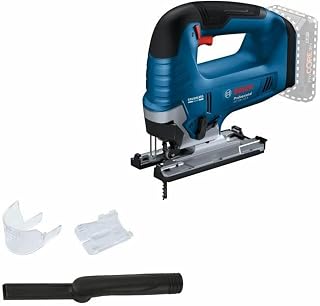





A Bosch cordless planer can be a useful addition to a woodworking toolkit when you need to remove material from timber without being restricted by a mains power cable. Cordless operation gives you greater freedom to move around a workshop, construction area or renovation project, particularly when working away from convenient power sockets. These planers are designed for jobs such as reducing the thickness of timber, levelling uneven wooden surfaces, adjusting doors and preparing boards before further finishing.
For UK shoppers, selecting a suitable cordless planer starts with understanding the type of work the machine will perform. A planer intended for occasional DIY tasks may have different requirements from one used regularly for joinery, carpentry or site work. Consider the size and type of timber, the amount of material that needs to be removed, the frequency of use and whether you already own compatible Bosch cordless batteries.
One of the most important specifications to consider is the planing width. A wider cutting capacity can help cover larger timber surfaces efficiently, while a more compact design can be easier to control when working on smaller components. Maximum planing depth is also important because it indicates how much material can be removed in a single pass. For delicate finishing work, fine depth adjustment can provide greater control and help prevent excessive material removal.
Battery compatibility can also influence the best choice. If you already use compatible Bosch cordless tools, selecting a planer that works with the same battery platform may reduce the need to purchase additional batteries and chargers. For users building a cordless tool collection, platform compatibility can make it easier to share batteries between multiple machines and keep a consistent workflow.
The main advantage of a cordless planer is mobility. Without a power lead trailing behind the tool, you can work around timber stacks, benches and larger work areas with fewer cable-related restrictions. This can be particularly useful during renovation work, installation tasks and outdoor projects where access to mains electricity is inconvenient.
A cordless planer can also be practical for adjusting wooden doors and frames. Timber can expand or contract with changing conditions, and controlled planing may be required when a door no longer closes smoothly. For these tasks, tool balance, grip and depth control are especially important because accuracy can be more valuable than removing material quickly.
When comparing Bosch cordless planers, look at more than battery operation alone. Cutting width, maximum planing depth, adjustment controls, ergonomics, dust management and overall weight can all affect usability. A comfortable handle and balanced body can make repeated passes easier, while effective chip and dust collection can help keep the working area more manageable.
Blade design and availability should also be considered. Planer blades eventually require replacement or maintenance, especially when the tool is used frequently or encounters unsuitable material. Checking replacement options before buying can help ensure that the machine remains practical over the long term. Always use blades and accessories that are suitable for the specific tool and follow the manufacturer's instructions.
For DIY users, a cordless planer can provide a convenient way to handle common timber adjustment and finishing jobs without investing in a large stationary machine. It may be useful for restoring doors, modifying shelves, preparing timber for projects or correcting minor surface irregularities. The right model should be selected according to the scale of the work rather than simply choosing the highest specification.
For professional carpenters, joiners and tradespeople, durability, productivity, battery runtime and compatibility with an existing cordless system can become more significant. A tool that fits naturally into an established workflow may save time when moving between tasks. Users carrying tools between different parts of a site may also appreciate the reduced dependence on mains sockets and extension leads.
Good results depend on using the planer correctly. Secure the workpiece before starting, select an appropriate depth setting and allow the tool to reach its operating condition before beginning the cut. Maintain a controlled movement and avoid forcing the planer through the timber. Several light passes can often provide better control than attempting to remove a large amount of material at once.
Wear appropriate eye and hearing protection and follow the safety instructions supplied with the tool. Keep hands away from the cutting area and make sure the planer is switched off before carrying out blade changes, cleaning or maintenance. Timber should also be checked for nails, screws and other objects that could damage blades or create a safety hazard.
Before choosing a Bosch cordless planer, compare the specifications that matter most for your intended work. Think about whether you need a compact tool for occasional adjustments or a more capable machine for frequent woodworking. Consider the battery system you use, required planing width, depth adjustment, ergonomics and accessories included with the product. Price should be assessed alongside these factors rather than used as the only deciding point.
Choosing a planer that matches your typical applications can make woodworking more efficient and controlled. Whether you are preparing timber for a new project, adjusting doors during renovation or carrying out regular carpentry work, a suitable Bosch cordless planer can provide the portability and control needed for cable-free planing.
Find Bosch cordless planers for practical woodworking, timber preparation and finishing jobs where freedom from a mains cable can make working easier. A cordless planer is designed to remove controlled amounts of material from wood, helping users level surfaces, adjust timber edges and achieve a more consistent finish. Whether you are working on doors, boards, frames, furniture components or general renovation projects, choosing the right Bosch cordless planer means considering cutting width, planing depth, battery compatibility, handling and the type of work you expect to carry out.