

♥ Wishlist


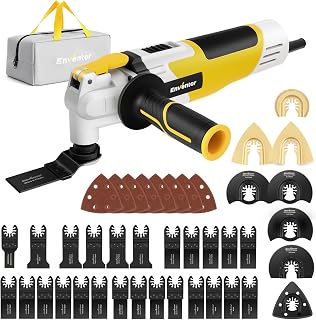




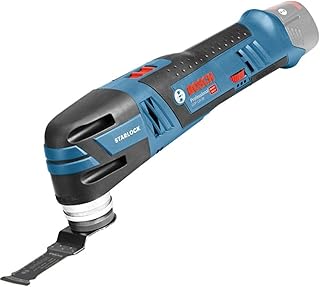


A Milwaukee cordless multi tool is a practical choice when one compact power tool needs to perform several different tasks. With the appropriate accessory fitted, an oscillating multi tool can cut materials, remove old sealant, scrape adhesives, sand awkward areas and make precise plunge cuts. Cordless operation also makes it easier to work in locations where mains power is inconvenient or where a trailing cable could restrict movement.
For UK tradespeople, renovators and serious DIY users, the main attraction is versatility. Instead of reaching for several specialist tools for small or detailed jobs, an oscillating tool can cover a broad range of applications. It is particularly useful for trimming door frames, cutting through sections of flooring, removing grout, preparing surfaces and completing finishing work around installations.
When comparing Milwaukee cordless multi tools, start with the type of work you regularly undertake. Look at oscillation speed, power delivery, variable-speed control, tool-free accessory changes, ergonomics and overall handling. A model intended for frequent professional use may prioritise durability and sustained performance, while a lighter option can be more convenient for occasional DIY and detail work.
Battery compatibility is another important consideration. Milwaukee cordless tools are available across different battery systems, so shoppers should check whether a particular multi tool belongs to a battery platform already used with their other equipment. Buying a bare tool can be attractive when compatible batteries and chargers are already available, whereas a kit can make more sense when starting a new cordless setup.
The versatility of an oscillating multi tool comes from its interchangeable accessories. Depending on the accessory and material, the tool can be used for plunge cutting, flush cutting, sanding, scraping and grout removal. This makes it useful for renovation projects, carpentry, flooring, plumbing preparation, electrical installation and general maintenance.
Its compact head can also reach spaces that are difficult to access with larger power tools. For example, a flush-cutting blade can help trim material close to an adjoining surface, while a sanding attachment can reach corners and edges where a conventional sander may be awkward to position.
Check whether the multi tool uses a battery platform you already own. Platform compatibility can reduce the need to purchase additional batteries and chargers and can make a cordless tool collection more convenient to manage.
Variable-speed control can be useful when moving between different materials and applications. Controlled operation can help with delicate finishing work, while higher speed settings may be suitable for demanding cutting or removal tasks when matched with the correct accessory.
Quick and convenient accessory changes are valuable when a project requires several operations. Check the supplied mechanism and confirm accessory compatibility before purchasing replacement blades, sanding pads or scraping attachments.
Multi tools are often used for detailed work where positioning and control are important. Consider grip design, tool weight, balance and vibration characteristics, particularly if the tool will be used for extended periods.
Before choosing a model, think about the materials you normally work with, how frequently the tool will be used and which accessories you need. Professional users may want a robust model that integrates with an existing Milwaukee cordless collection, while home users may prefer a practical kit containing the essentials for common renovation tasks.
It is also worth comparing bare-tool and kit options. A bare tool may provide better value when you already have the correct battery and charger. A complete kit can be more convenient for new users because it can provide the core components required to begin working.
Cordless operation provides freedom of movement and avoids dependence on a nearby socket. This can be especially useful during renovation work, maintenance tasks and jobs in partially finished rooms. The compact format also makes the tool easy to position for detailed cuts and surface preparation.
As with any power tool, performance depends on selecting the correct accessory and using it according to the manufacturer's instructions. Matching the blade or attachment to the material and application can improve control, cutting quality and accessory life.
Use this category to compare Milwaukee cordless multi tool options according to battery system, intended application, control features and accessory requirements. Pay attention to the exact model specification rather than choosing solely by appearance or headline power figures. The best option is the one that fits your existing cordless platform and the work you expect to perform.
Whether you are trimming timber, removing grout, sanding corners or carrying out renovation work, a well-chosen Milwaukee oscillating multi tool can become one of the most useful compact tools in a workshop or jobsite kit. Compare the available options and check the included equipment before making your purchase.
| Model consideration | What to check | Best suited to |
|---|---|---|
| Battery platform | Compatibility with your existing Milwaukee batteries | Users building or extending a cordless tool collection |
| Variable speed | Speed control and adjustment range | Mixed cutting, sanding and finishing tasks |
| Accessory system | Blade, sanding and scraping accessory compatibility | Renovation and multi-purpose applications |
| Ergonomics | Weight, grip, balance and handling | Detailed or extended work |