

Our experts reviewed the latest {category_name } to help you compare quality, performance, durability and overall value before making your purchase.
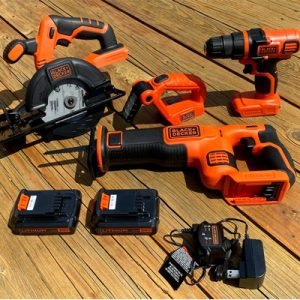
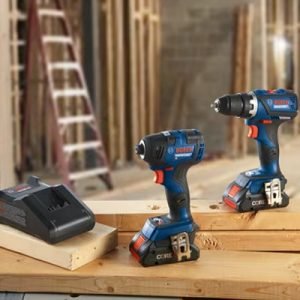
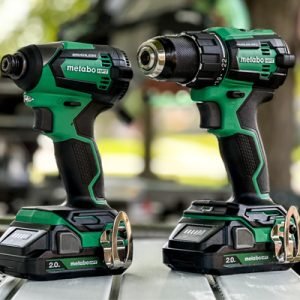
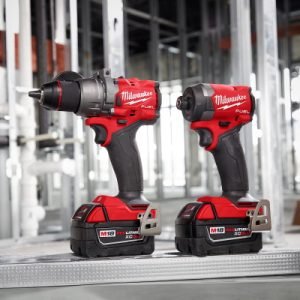
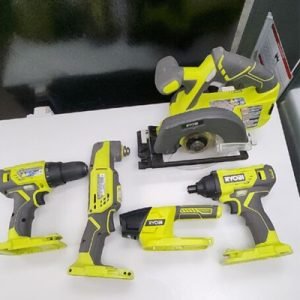


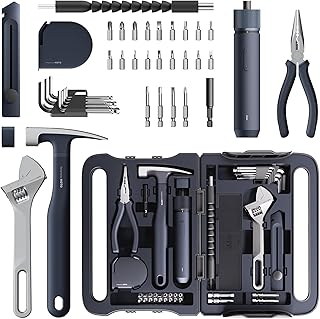


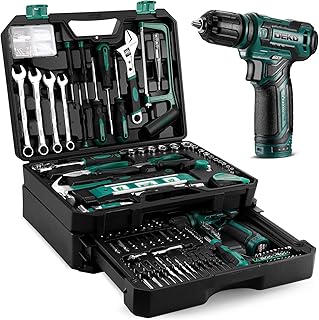


A cordless power tool combo kit can be a practical way to build a compatible tool collection without buying every machine separately. The important point is that the value of a kit depends on more than the number of tools in the case. Battery compatibility, voltage platform, motor technology, included accessories, ergonomics, charger performance and the type of work you actually undertake can make a much larger difference to long-term usefulness. For UK buyers, it is worth looking beyond headline tool counts. A six-piece kit is not necessarily better value than a three-piece kit if several of the included machines are rarely needed, the batteries are small, or the kit uses a platform that makes future purchases unnecessarily expensive. Conversely, a smaller kit from a well-established battery ecosystem can be a strong foundation for gradually adding specialist tools. The battery system is one of the most important decisions when comparing cordless tools. Once you own several batteries and a charger from a particular platform, staying within that ecosystem can reduce duplication and make future tool purchases simpler. Battery capacity is commonly expressed in ampere-hours (Ah). In simple terms, a higher Ah rating generally provides more stored energy within the same battery platform, although actual runtime varies according to the tool, workload, battery design and operating conditions. A compact battery can be advantageous for drilling overhead, assembling furniture or carrying a drill around for extended periods because lower weight can make the tool easier to control. Larger-capacity batteries can be more appropriate for demanding cutting, grinding or heavy-duty applications where sustained operation matters more than minimum weight. Do not automatically choose the highest-capacity battery available. For a home user who spends short periods drilling and driving screws, a heavy high-capacity pack may add bulk without delivering a meaningful practical advantage. For intensive renovation work, however, having multiple batteries and a suitable rapid charger may be more useful than simply buying a kit with the largest nominal tool count. Brushless motors are now common across many cordless tool ranges, particularly in mid-range and professional-oriented equipment. A brushless design electronically controls the motor rather than relying on conventional carbon brushes, which can reduce some sources of mechanical wear and can allow manufacturers to optimise performance and efficiency. That does not mean every brushless tool is automatically the right choice. The complete tool design still matters, including gearing, electronics, battery technology, cooling, trigger control and mechanical construction. A well-designed brushed tool can remain perfectly suitable for occasional DIY work, particularly when its lower purchase cost is more important than maximum runtime or advanced electronic features. The ideal combination depends on the jobs you expect to perform. A kit designed for decorating and general household maintenance has different priorities from one intended for construction, carpentry or major renovation. A drill driver is often the most versatile starting point. Look for variable speed control, a practical torque range, a comfortable grip and a chuck suitable for the accessories you intend to use. For general DIY, controllability and ergonomics can be more valuable than simply choosing the tool with the highest advertised torque. A combi drill adds hammer drilling capability for suitable masonry applications. It can be a useful all-rounder for homeowners who need one machine for drilling timber, metal and lighter masonry tasks. Buyers should nevertheless remember that a combi drill is not a substitute for a dedicated rotary hammer when frequent heavy masonry or concrete drilling is required. An impact driver is particularly useful for driving longer screws, fixings and other fasteners where a conventional drill driver may be less convenient. Its compact head and impact mechanism can provide advantages for repetitive fastening work. It is not, however, a universal replacement for a drill driver because it is designed around a different style of work and bit interface. A reciprocating saw is useful for demolition, pruning and rough cutting where speed and access are more important than a highly finished cut. When assessing one in a combo kit, consider blade-change convenience, stroke characteristics, trigger control and overall balance. A cordless circular saw can be valuable for sheet materials, timber and construction cutting. Check the maximum cutting depth at relevant angles rather than looking only at the blade diameter. A well-designed base, clear sight line and effective depth adjustment can significantly affect accuracy and ease of use. An oscillating multi-tool is one of the more versatile additions to a DIY kit. It can handle tasks such as flush cutting, detail sanding, scraping and cutting in confined spaces when paired with appropriate accessories. Its usefulness depends heavily on having suitable blades and sanding attachments available. A cordless angle grinder can be useful for cutting, grinding and surface preparation. It is a more demanding application than routine drilling, so battery capacity, thermal management, guard adjustment, disc compatibility and user control deserve particular attention. A jigsaw is suited to curved and shaped cuts in suitable materials. Buyers should examine the ease of blade changes, base adjustment, speed control, visibility of the cutting line and the range of compatible blades. When two kits appear similar, compare them feature by feature instead of relying on the number of tools or a single headline specification. The UK cordless power tool market includes several established manufacturers with different platform strategies and target users. Brand choice should not replace product-level comparison, but understanding the ecosystems can make a buying decision easier. DeWalt is widely associated with cordless tools aimed at demanding DIY, trade and professional applications. Its broad battery ecosystem makes it particularly relevant to buyers who expect to add tools over time. Compare individual kit contents carefully because battery sizes, chargers and tool specifications can differ between packages. Makita offers extensive cordless ranges covering general DIY, woodworking, construction and specialist applications. Its platform breadth can be useful to buyers who want to remain within one battery ecosystem. When comparing Makita kits, pay close attention to the exact platform, included batteries and individual tool generations. Milwaukee has a strong presence in professional-oriented cordless equipment and offers a large selection of specialised machines. Its systems can be attractive to users who need more than a basic drill-and-saw collection. The higher specification of particular tools should nevertheless be weighed against the total cost of building and maintaining the platform. Bosch offers cordless equipment across different user segments, so buyers should distinguish between ranges intended primarily for home DIY and those aimed at more demanding applications. Checking the exact product family is essential when comparing batteries, accessories and compatibility. Ryobi is notable for a broad cordless ecosystem aimed strongly at home users and DIY enthusiasts. A large platform can be useful when the intention is to add garden equipment and household tools alongside conventional power tools. Buyers should still assess individual tool performance and battery requirements for demanding jobs. Einhell's cordless ecosystem can appeal to DIY users looking for a wide range of compatible equipment. Its platform approach is worth considering when a buyer wants to purchase additional tools gradually rather than replacing batteries and chargers for every new machine. There is no universal best cordless combo kit because the appropriate specification changes with workload. A kit containing many machines can look compelling, but unused tools have little practical value. A smaller package containing the machines you regularly need can be the more rational choice. The initial kit is only part of the ownership equation. If additional batteries, specialist chargers and bare tools are likely to be needed later, consider the wider ecosystem before committing to a platform. Voltage is only one part of cordless-tool performance. Motor design, gearing, electronics, battery technology and tool application all influence real-world capability. Avoid treating a higher nominal voltage as an automatic guarantee of better performance for every task. Weight matters more during repetitive or overhead work. A tool that looks powerful on paper can become tiring if its balance and battery placement are poorly suited to the job. Two batteries from the same general platform can have different capacities, physical dimensions and performance characteristics. Always verify the exact battery supplied with the kit. Power tools are only as useful as the accessories that allow them to perform the intended job. Budget separately for suitable drill bits, driver bits, saw blades, sanding sheets, cutting discs and other consumables where necessary. Specifications are most useful when connected to a particular application. Instead of collecting headline numbers, identify which measurements actually affect the work you intend to do. Cordless operation removes the mains cable from the immediate work area, but it does not remove the normal hazards associated with cutting, drilling, fastening or grinding. Read the manufacturer's instructions for every tool and use accessories appropriate to both the machine and material. Good maintenance can help preserve usability and reduce avoidable problems. Maintenance requirements differ by tool, so the manufacturer's instructions should take precedence. Buyers do not necessarily need to purchase every tool at once. A staged approach can make more sense when the objective is to establish a long-term cordless platform. Start with the tool that solves the greatest number of current problems, commonly a drill driver or combi drill for general DIY. Add a second battery if your work regularly outlasts a single charge. From there, choose bare tools that use the same battery platform where they offer a genuine benefit over your existing equipment. Before expanding, consider whether each new machine will save meaningful time, improve the quality of a task or enable work that your existing tools cannot perform safely or conveniently. This approach can prevent a growing collection of seldom-used machines. A combo kit can offer a convenient starting point, particularly when several included tools are already on your shopping list. Buying separately can be preferable when you require one high-performance specialist tool but have little use for the other machines in a package. Compare the complete package rather than the advertised number of components. Include batteries, charger, storage, accessories and any tools you would otherwise have to buy separately. The most economical-looking kit is not necessarily the lowest-cost route to the exact collection you need. Long-term value is broader than the purchase price. Consider how frequently you will use the tools, whether additional machines are available within the same ecosystem, how easily compatible consumables can be obtained and whether the manufacturer's published support arrangements suit your expectations. A useful comparison should also consider whether the included tools duplicate equipment you already own. Paying for another drill may make little sense if your existing drill remains suitable, whereas a kit that adds a circular saw, multi-tool and impact driver could provide considerably more practical value. There is no single best kit for every buyer. The right choice depends on the tools required, frequency of use, battery platform, budget, workload and whether the collection needs to expand in future. It can be worthwhile when several of the included tools are genuinely useful. Compare the total contents, battery provision and platform compatibility rather than judging value solely by the number of machines in the package. There is no ideal number. A smaller kit containing frequently used tools can be more useful than a larger package containing machines that remain unused. Match the kit to your actual projects. Brushless tools can offer advantages that are particularly relevant to frequent users, but they are not automatically necessary for occasional DIY. Consider the complete tool specification, workload, ergonomics and price before deciding. A combi drill provides an additional hammer-drilling function and can therefore be a versatile general-purpose option. A drill driver can be preferable when masonry drilling is not required and compactness or simplicity is more important. No. Higher capacity can provide more stored energy, but it can also increase weight and size. The appropriate battery depends on the task, runtime requirements and how much portability matters. Generally, cordless battery systems are designed around specific manufacturer's platforms and should not be assumed to be interchangeable. Use batteries and chargers that the manufacturer specifies as compatible with the tool. For many users, staying within one platform is convenient because batteries and chargers can potentially be shared across compatible tools. However, choosing a second platform can sometimes be justified when a particular specialist machine offers capabilities unavailable in the existing ecosystem. Compare tool selection, battery capacity, number of batteries, charger specification, tool weight, performance specifications relevant to your work, accessory provision, platform breadth, warranty information and the cost of future bare tools and batteries. No. Higher-priced tools may provide additional features, performance or durability characteristics, but the best value depends on whether those advantages matter for your workload. Occasional DIY users can have different priorities from professional users. There is no universal replacement interval. Battery life depends on the battery technology, charging habits, workload, storage conditions, temperature and frequency of use. Follow the manufacturer's guidance and replace batteries when their condition or performance makes continued use unsuitable. The strongest cordless power tool purchase is not necessarily the kit with the most machines, the largest battery or the highest headline specification. It is the combination that fits the work you actually perform and leaves room for sensible expansion. For occasional household maintenance, simplicity, comfort and a useful core selection can matter most. For renovation and trade work, battery availability, sustained performance, durability, ergonomics and platform breadth become increasingly important. Comparing these factors systematically makes it easier to distinguish genuine value from a bundle that merely looks impressive on paper. As cordless platforms continue to expand, buyers should also think beyond the first purchase. A well-chosen ecosystem can eventually cover drilling, fastening, cutting, sanding, grinding and specialist applications using compatible batteries. That longer-term perspective is often more useful than choosing a kit solely on today's headline price.How to Choose a Cordless Power Tool Combo Kit in the UK
Start With the Battery Platform
Battery Capacity: What Ah Really Means
Brushed vs Brushless Cordless Tools
Which Tools Should a Combo Kit Include?
Drill Driver
Combi Drill
Impact Driver
Reciprocating Saw
Circular Saw
Multi-Tool
Angle Grinder
Jigsaw
How to Compare Cordless Tool Kits Properly
Major Cordless Tool Brands Worth Comparing
DeWalt
Makita
Milwaukee
Bosch
Ryobi
Einhell
Professional, DIY and Occasional-Use Kits
Common Buying Mistakes to Avoid
Choosing the Largest Number of Tools
Ignoring Battery Costs
Comparing Voltage Without Context
Overlooking Weight
Assuming All Batteries Are Equivalent
Forgetting Consumables
Specifications That Deserve Particular Attention
Safety Considerations for Cordless Power Tools
Maintaining a Cordless Power Tool Collection
How to Build a Cordless Tool Collection Gradually
Combo Kit vs Buying Tools Separately
How to Assess Long-Term Value
What to Check Before Buying Online
Frequently Asked Questions
What is the best cordless power tool combo kit?
Is a cordless combo kit worth buying?
How many tools should a cordless combo kit contain?
Are brushless tools better for DIY?
Should I buy a combi drill or drill driver?
Is a higher Ah battery always better?
Can batteries from different brands be interchanged?
Should I choose one cordless platform for all my tools?
What should I compare besides the price?
Are expensive cordless tools always better?
How often should cordless tool batteries be replaced?
Final Buying Checklist
Editorial Perspective: What Matters Most