

Our experts reviewed the latest {category_name } to help you compare quality, performance, durability and overall value before making your purchase.
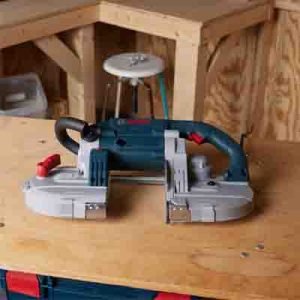
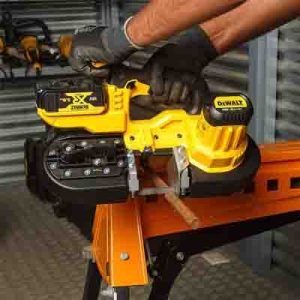
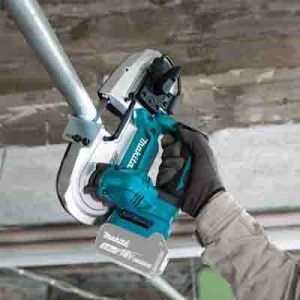
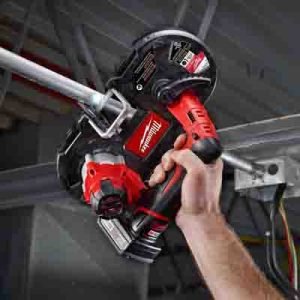


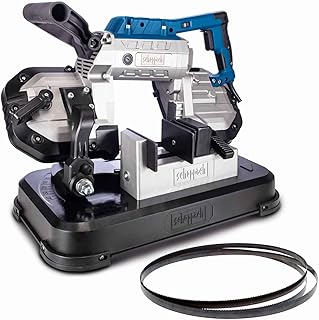


A cordless bandsaw can be one of the most useful cutting tools for mobile work, particularly when a conventional mains-powered saw is inconvenient. The absence of a power cable makes it easier to work on building sites, in workshops, lofts, plant rooms and other locations where access to a socket is limited. It can also make overhead and awkward cuts considerably easier to manage. However, cordless bandsaws are not interchangeable. Compact models are designed around portability and controlled cutting, while larger deep-cut machines prioritise greater cutting capacity and heavier-duty applications. Battery voltage, blade dimensions, cutting capacity, motor design, weight, trigger control, ergonomics and the availability of compatible batteries can all materially affect which model is the sensible choice. The best cordless bandsaw for a plumber cutting pipe is not necessarily the best choice for an electrician working overhead, a fabricator cutting metal stock or a maintenance professional who needs a deeper cutting capacity. The right purchase starts with the material and dimensions you expect to cut, followed by the battery platform and physical characteristics of the tool. The fundamental advantage of a cordless bandsaw is mobility. A mains-powered bandsaw generally makes more sense when the machine can remain in a workshop and the work involves repeated cutting of larger or heavier material. A portable cordless model is aimed at a different job: taking the cutting tool to the material. For site work, cordless operation removes the need to position an extension lead and can make short, repeated cuts faster to organise. It is particularly useful when cutting pipe, conduit, threaded rod, cable tray components, metal sections and other stock that may already be installed or positioned away from a workshop. A bench-mounted bandsaw remains preferable when stability, a larger table, substantial throat capacity, continuous operation or woodworking-oriented control is more important than portability. Cordless portable bandsaws should therefore be viewed as specialised mobile cutting tools rather than universal replacements for every type of bandsaw. Cutting capacity is one of the most important specifications to compare. It describes the maximum size of material that can be accommodated by the saw, but the exact interpretation varies between designs. A stated capacity should therefore be considered alongside the shape of the workpiece and the type of cut you actually intend to make. For example, a bandsaw with a relatively modest capacity may be ideal for conduit, small pipe and compact metal sections. A deep-cut model is more appropriate when larger-diameter pipe, substantial rectangular section or thicker stock forms a regular part of the workload. Do not choose a machine solely because its maximum capacity is impressive. A larger saw can also mean additional weight and bulk. If most of your cuts involve small or medium-sized material, a compact model may be easier to carry, position and control. Maximum capacity does not automatically tell you how quickly or comfortably a saw will cut a particular material. Blade selection, blade condition, motor characteristics, battery charge, operator technique and the hardness or geometry of the workpiece all affect practical cutting performance. A larger capacity is therefore best treated as a useful headroom figure. Ideally, your regular work should fall comfortably below the maximum rather than constantly pushing the tool to its limit. Voltage is an important part of the specification, but it should not be used as a simple ranking system. A compact 12V bandsaw can be an excellent option where low weight and manoeuvrability are more valuable than maximum cutting capacity. An 18V machine generally offers a broader range of portable professional applications, while higher-voltage platforms can be attractive for deeper or heavier cutting requirements. Compact 12V machines can be particularly appealing for electricians, installers, maintenance workers and other users who spend much of the day carrying tools. Their smaller format can make them useful in tight spaces and for overhead work. The trade-off is that compact dimensions normally come with more limited cutting capacity than a larger deep-cut machine. They should be selected when their size and portability solve a genuine problem rather than simply because they are smaller. 18V is one of the most established battery categories for professional cordless tools. This makes it particularly attractive to users who already have an 18V battery platform from brands such as Makita, DEWALT, Milwaukee or Bosch Professional. An 18V bandsaw can offer a useful middle ground between portability and cutting capability. Depending on the model, this category includes compact machines, mid-sized portable saws and more substantial brushless designs. Higher-voltage systems can provide a route to larger cutting capacities and more demanding applications. They may be worthwhile for professionals who routinely cut larger sections and already operate within the relevant battery ecosystem. For occasional DIY use, however, buying into an entirely new high-voltage platform can be difficult to justify. Consider the complete cost of the tool, batteries, charger and replacement consumables rather than comparing the saw body alone. One of the most common buying mistakes is comparing the advertised price of a bare cordless bandsaw with the price of a complete kit without accounting for what is included. A bare-tool product normally makes the most financial sense for someone who already owns suitable batteries and a charger. If you are starting from scratch, the actual purchase requirement may include the saw, one or more batteries and a compatible charger. Battery capacity also deserves attention. A higher-capacity battery can provide greater runtime, but it may add weight. That additional weight can matter when using a bandsaw above shoulder height or carrying it around a site throughout the day. Brushless motors are increasingly common in professional cordless tools. Their design eliminates traditional carbon brushes and can offer advantages in efficiency, durability and electronic motor control. These characteristics can be valuable for people who use a bandsaw frequently. A brushed motor is not automatically a poor choice. For occasional use, a well-specified brushed machine can still be perfectly appropriate. The decision should be based on workload, expected service life, purchase cost, maintenance requirements and the rest of the specification. If the bandsaw will be used heavily every week, brushless technology becomes more compelling. For occasional maintenance work, the additional cost may not deliver the same practical benefit. Blade speed influences how the saw interacts with the material. Different metals and profiles can benefit from different cutting speeds, while a controlled feed rate remains essential regardless of the specification. Variable-speed control can therefore be useful for professionals who regularly switch between materials. It provides greater control than a simple fixed-speed design and can make it easier to adapt the tool to the job. However, a high blade-speed figure should not be treated as a direct measure of cutting quality. A bandsaw is a system consisting of the motor, drive mechanism, blade, guides, tensioning arrangement and controls. The quality and suitability of the blade can be just as important as the headline speed specification. The blade is a consumable component and should be treated as part of the buying decision rather than an afterthought. Tooth configuration, tooth pitch, blade dimensions and material compatibility can all affect cutting behaviour. For metal cutting, blade selection should reflect the thickness and type of material. A blade suitable for thin-walled tubing is not necessarily the best choice for thicker solid stock. Using an inappropriate tooth pitch can also lead to poor cutting behaviour or premature blade wear. Always check the manufacturer's specified blade dimensions and compatible blade types before purchasing replacements. The availability of suitable blades in the UK can be just as important as the initial cost of the bandsaw. Weight is particularly important with portable bandsaws because the tool is normally supported by the operator rather than a work table. A machine that feels manageable for a few cuts can become tiring during a full working day. Pay attention to overall balance rather than weight alone. A well-positioned handle and balanced motor and blade arrangement can make a heavier tool easier to control than an awkwardly balanced lighter model. Handle shape, grip material, trigger position and the ability to operate the saw comfortably with the intended hand position all deserve consideration. If the machine is likely to be used overhead, these factors become even more significant. An integrated LED can be useful when cutting in poorly illuminated plant rooms, cupboards, loft spaces or other restricted environments. It is a convenience feature rather than a substitute for adequate workplace lighting. A variable-speed trigger can provide more controlled starts and allow the operator to regulate cutting speed. This is particularly useful where precise positioning is important. Tool-free blade changing can reduce downtime and make routine blade replacement more convenient. Check how easily the blade mechanism can be accessed and whether the design allows safe replacement without unnecessary dismantling. Effective guarding and correctly positioned guides are fundamental to safe and controlled operation. Inspect the design carefully and follow the manufacturer's instructions for adjustment. A sturdy hook can be useful for tradespeople who need to put the tool down temporarily while working at height or moving between tasks. Its usefulness depends on the working environment and should never override safe tool handling practices. Electricians often benefit from a compact cordless bandsaw that is easy to carry and position. Cutting conduit, threaded rod and similar materials does not necessarily require a deep-cut machine. A lighter design can be more useful when working from ladders, access platforms or in confined service areas. Plumbing applications can involve pipe, threaded components and metal sections in awkward positions. A portable bandsaw with enough capacity for the pipe sizes normally encountered, combined with good balance and variable-speed control, is often a sensible configuration. Fabricators should place greater emphasis on cutting capacity, blade compatibility, durability and sustained performance. If larger stock is routinely cut, a deep-cut model may be more appropriate than a compact bandsaw. Maintenance professionals typically benefit from versatility. A mid-sized cordless bandsaw can provide a useful balance between portability and capacity, particularly when the work involves varied metal profiles rather than one specific material. DIY buyers should first establish whether a portable bandsaw is actually the right type of saw. If most projects involve timber and require curves, a stationary woodworking bandsaw may be more suitable. If the work involves occasional metal cutting, pipe or conduit, a compact cordless model can be much more convenient. Brand choice is often closely connected to battery compatibility. Established professional tool manufacturers including Makita, DEWALT, Milwaukee and Bosch Professional offer cordless platforms that extend across multiple categories, making it easier for existing users to share batteries and chargers between tools. Makita is particularly relevant to buyers already invested in the LXT or XGT cordless ecosystems. When comparing a Makita bandsaw, look beyond the tool itself and consider which batteries you already own, the required cutting capacity and whether a compact or larger format better suits your work. DEWALT's cordless range is a strong consideration for tradespeople already using the 18V XR platform. When comparing DEWALT bandsaws, pay close attention to the distinction between compact and deeper-cut models because the physical size and cutting capability can vary substantially across the range. Milwaukee offers both compact M12 and larger M18 cordless bandsaw options. This makes the brand particularly interesting for users who prioritise either very compact handling or greater cutting capacity. The M12 and M18 categories should be considered as different tool classes rather than simply smaller and larger versions of the same machine. Bosch Professional cordless bandsaws can be attractive to tradespeople who already use the Professional 18V ecosystem. When comparing models, check the cutting capacity, motor design, included accessories and battery arrangement rather than relying solely on the brand or voltage. Comparing products is easier when every model is assessed against the same criteria. A simple specification checklist can prevent an attractive headline feature from overshadowing a more important limitation. More voltage is not automatically better for every application. If your priority is low weight and easy handling, a compact lower-voltage model may be more useful than a larger machine. A cheap bare tool can become an expensive purchase if you also need two batteries and a charger. Always calculate the complete setup required for your application. Large cutting capacity can be useful, but it can also increase tool size and weight. If most of your work involves small pipe or conduit, buying a deep-cut machine may add bulk without adding meaningful utility. Brushless motors are attractive, but a brushless label does not tell you whether the machine has the right cutting capacity, balance, blade availability or ergonomics for your work. Blade availability should be checked before purchase. A bandsaw that uses an unusual blade size can become inconvenient if replacement options are limited. Always establish exactly what is included. Two apparently similar prices can represent very different packages. Many portable cordless bandsaws are designed primarily around metal and trade applications. If woodworking is your main use, check whether the machine, blade system and cutting configuration are genuinely appropriate for timber work before buying. Good cutting performance depends on more than the tool. The workpiece should be properly supported and secured, the blade should be appropriate for the material, and the operator should allow the saw to do the cutting rather than forcing it through the work. Excessive pressure can reduce control and accelerate blade wear. A steady feed rate, correct blade selection and suitable cutting technique generally produce more consistent results. For repeated work, it is worth developing a consistent setup routine. Inspect the blade, confirm the material is secure, check the battery condition and position the saw before starting the cut. Small improvements in preparation can reduce unnecessary wear and improve repeatability. Portable bandsaws work in environments where dust, metal swarf and debris can accumulate quickly. Routine cleaning and inspection are therefore important for maintaining reliable operation. Battery condition has a direct effect on the usability of any cordless bandsaw. Store batteries according to the manufacturer's guidance and avoid treating them as interchangeable between platforms simply because their physical appearance is similar. Keep battery contacts clean and inspect packs for signs of physical damage. If a battery becomes unusually hot, swollen, damaged or otherwise abnormal, stop using it and follow the battery manufacturer's safety instructions. For frequent professional work, owning a second compatible battery can be more useful than buying a larger bandsaw than you actually need. It allows one battery to be charging while another is in service, subject to the manufacturer's charging and handling guidance. A cordless bandsaw removes the mains cable but does not remove the normal risks associated with a powered cutting tool. Read the manufacturer's instructions before use and use the protective equipment specified for the task and material. The most important specification changes according to the application. This is why a single universal ranking of cordless bandsaws can be misleading. A useful approach is to measure the largest material you actually expect to cut and then add sensible headroom. If your regular work involves 40 mm material, for example, a machine with substantially greater capacity can provide flexibility for occasional larger jobs, but purchasing an extremely large model may not be worthwhile if it adds significant weight. Think about the shape of your workpieces as well. A nominal diameter does not describe every rectangular, square or irregular profile. Consider the maximum dimension that must physically fit into the saw's cutting area. Customer reviews can be useful, but they are most valuable when read for recurring observations rather than isolated praise or criticism. Look for comments that relate directly to your intended use. For example, a review mentioning that a tool is easy to carry may be highly relevant to an electrician but less important to someone using the saw on a fixed workbench. Similarly, a complaint about battery runtime may mean something different for occasional DIY work than for a professional making hundreds of cuts each week. Pay particular attention to repeated comments about balance, blade changes, battery consumption, build quality, trigger control, cutting capacity and replacement blades. Reviews should complement, rather than replace, the manufacturer's specification. A strong buying decision should combine three types of information: published specifications, independent editorial assessment where available, and verified customer feedback. None of these sources tells the entire story by itself. Specifications are useful for objective comparisons such as voltage, weight and cutting capacity. Customer reviews can reveal recurring usability issues that are difficult to understand from a specification sheet. Independent editorial content can help explain trade-offs between models, provided the testing methodology and claims are clear. Prices should also be checked close to the point of purchase because cordless tool pricing can vary according to battery configuration, retailer promotions and kit contents. A lower headline price is not necessarily the better deal if it represents a bare tool while another offer includes batteries and a charger. Professional buyers should generally put greater emphasis on durability, ergonomics, battery interchangeability, replacement parts and long-term operating cost. A tool used every working day needs to be assessed differently from one that may only be used several times a year. DIY buyers can often place more weight on purchase price, simplicity and versatility. There is little value in paying for professional-grade capacity that will never be used, particularly when the additional weight makes the tool less convenient. For either buyer, the best approach is to match the specification to the workload instead of choosing a model solely because it is the most powerful or expensive option. The true cost of a cordless bandsaw includes more than the initial tool price. Battery packs, chargers, replacement blades and other consumables can become significant expenses over the useful life of the machine. A model that works with batteries you already own may therefore represent better overall value than a cheaper saw that requires an entirely new battery ecosystem. Conversely, if you are starting from scratch, compare complete kits and the wider tool range available on each platform. Also consider whether the brand provides a broad range of compatible cordless tools. A battery platform becomes more valuable when the same batteries can power several tools you genuinely expect to use. There is no single best cordless bandsaw for every buyer. The right choice depends on the material, workpiece size, required cutting capacity, frequency of use, desired weight and existing battery platform. A compact model can be the better option for overhead work, while a deeper-cut machine may be preferable for larger metal sections. Yes. Portable cordless bandsaws are particularly useful for many metal-cutting applications such as pipe, conduit, threaded rod and metal sections. The correct blade must be selected for the material, and the manufacturer's guidance should always be followed. Some models can be used for suitable timber applications when the manufacturer permits it and an appropriate blade is fitted. However, portable trade-oriented bandsaws are not necessarily substitutes for stationary woodworking bandsaws. Buyers whose primary purpose is woodworking should compare the two machine types before purchasing. Not necessarily. An 18V machine can offer greater capacity or power, but a 12V bandsaw may be preferable when compact size, low weight and manoeuvrability are the priorities. Choose according to the work rather than voltage alone. Brushless technology can be particularly attractive for frequent professional use because of its efficiency and motor design. For occasional use, however, a good brushed model may provide sufficient performance at a lower overall cost. A bare tool is usually most attractive when you already own compatible batteries and a charger. If you do not, compare the total cost of the saw, batteries and charger with complete kits before deciding. Cutting capacity is crucial because it determines the maximum size of workpiece the machine can accommodate. It should be matched to your actual workload. Buying substantially more capacity than you need can add unnecessary weight and bulk. No. A larger battery can extend working time but can also add weight. For overhead work and frequent repositioning, the balance between runtime and portability may be more important than maximum battery capacity. There is no universal replacement interval. Blade life depends on the material being cut, blade quality, tooth selection, cutting frequency, operator technique and maintenance. Replace or inspect the blade when cutting performance, tooth condition or safe operation indicates that it is no longer suitable. Plumbers should generally prioritise suitable pipe capacity, portability, balance, blade availability and controlled cutting. If much of the work is overhead or in confined areas, a compact design can be particularly useful. Electricians often benefit from a compact, lightweight machine that can handle conduit and similar materials while remaining easy to control. Battery compatibility is also important if the rest of the tool kit already uses a particular cordless platform. A deep-cut cordless bandsaw is designed to accommodate substantially larger workpieces than compact portable models. These machines can be useful for heavier metalwork and larger sections, but their increased capacity can also mean greater weight and physical size. Like all powered cutting tools, cordless bandsaws require appropriate handling and safety precautions. Use the guards and controls as intended, keep hands clear of the blade, secure workpieces where practical and follow the manufacturer's operating instructions. Use the correct blade for the material, avoid forcing the saw through the work, maintain appropriate blade tension and tracking, and replace blades when they become worn or damaged. Correct cutting technique can make a substantial difference to consumable life. Choose a compact model when portability, low weight and access are more important than maximum capacity. Choose a deep-cut model when larger workpieces are a regular requirement and the additional size and weight are justified by the workload. A useful independent buying guide should not treat the most expensive, most powerful or most highly specified machine as automatically superior. The more meaningful question is whether the tool's specification fits the buyer's work. For that reason, comparisons should consider cutting capacity, battery platform, motor design, blade compatibility, weight, ergonomics, controls, included equipment, maintenance requirements and long-term value together. Customer feedback can provide additional insight, but individual experiences should not be presented as universal evidence. Specifications and retailer information can change during the year, particularly where manufacturers update product ranges or retailers change kit configurations. Before committing to a purchase, verify the current specification, battery arrangement, included accessories and price with the relevant manufacturer or trusted UK retailer. A cordless bandsaw is particularly compelling for tradespeople and maintenance professionals who frequently make short, controlled cuts away from a fixed workshop. Electricians, plumbers, fabricators, installers and general maintenance workers can all benefit when portability saves time or provides access that a stationary saw cannot. DIY users should consider their projects carefully. If the main requirement is occasional cutting of metal pipe or conduit, a compact cordless bandsaw can be a convenient addition to a broader tool collection. If the primary purpose is detailed timber work, a conventional woodworking bandsaw may be a more suitable investment. The best cordless bandsaw is the one that matches the material, workpiece size, working environment and battery system you actually use. Start with cutting capacity and application, then narrow the choice using weight, motor design, blade compatibility, ergonomics and battery cost. For mobile trade work, portability and battery compatibility can matter more than maximum power. For heavier fabrication, cutting capacity and durability become more important. For occasional DIY use, avoiding unnecessary specification can keep the overall purchase sensible. Before buying, compare the complete specification rather than relying on a single headline feature. Check the current model details, read verified customer feedback, compare the total cost of the battery setup and replacement blades, and confirm that the machine is designed for the material you intend to cut. This approach gives you a much better chance of choosing a cordless bandsaw that remains useful long after the initial purchase.How to Choose the Best Cordless Bandsaw in the UK
Quick Buying Priorities for Cordless Bandsaws
Cordless Bandsaw vs Mains-Powered Bandsaw
When a Cordless Bandsaw Makes More Sense
When a Corded or Bench Bandsaw May Be Better
Understanding Cordless Bandsaw Cutting Capacity
Why Maximum Capacity Is Not the Whole Story
12V vs 18V vs Higher-Voltage Cordless Bandsaws
12V Cordless Bandsaws
18V Cordless Bandsaws
Higher-Voltage Platforms
Battery Compatibility and the Real Cost of a Bare Tool
Questions to Ask Before Buying a Bare Cordless Bandsaw
Brushless vs Brushed Cordless Bandsaws
Blade Speed and Variable-Speed Control
Choosing the Right Bandsaw Blade
Signs That a Bandsaw Blade Needs Attention
Weight, Balance and Ergonomics
Features Worth Comparing
LED Work Light
Variable-Speed Trigger
Tool-Free Blade Changes
Blade Guards and Guides
Rafter or Hanging Hook
Best Cordless Bandsaw Types for Different Users
Best Type for Electricians
Best Type for Plumbers and Heating Engineers
Best Type for Metal Fabricators
Best Type for General Maintenance
Best Type for DIY Users
Comparing Leading Cordless Bandsaw Brands
Makita
DEWALT
Milwaukee
Bosch Professional
How to Compare Cordless Bandsaws Fairly
Common Cordless Bandsaw Buying Mistakes
Choosing the Highest Voltage Automatically
Ignoring the Battery Cost
Buying More Cutting Capacity Than You Need
Focusing Only on Motor Technology
Forgetting Replacement Blades
Comparing Tool-Only Prices With Complete Kits
Assuming a Portable Bandsaw Is a Woodworking Bandsaw
How to Get Better Cutting Results
Cordless Bandsaw Maintenance Guide
Battery Care for Cordless Bandsaws
Safety Considerations When Using a Cordless Bandsaw
What Specifications Matter Most for Different Jobs?
How Much Cutting Capacity Do You Really Need?
Questions to Ask Before Buying
How to Read Customer Reviews More Effectively
How to Compare Reviews, Specifications and Prices
Professional vs DIY Cordless Bandsaw Buying Strategy
Long-Term Value: What to Consider Beyond the Purchase Price
Cordless Bandsaw Buying Guide: A Simple Decision Process
Frequently Asked Questions About Cordless Bandsaws
What is the best cordless bandsaw?
Are cordless bandsaws good for cutting metal?
Are cordless bandsaws suitable for wood?
Is an 18V cordless bandsaw better than a 12V model?
Is a brushless cordless bandsaw worth buying?
Should I buy a bare cordless bandsaw?
How important is cutting capacity?
Does a higher battery capacity always mean a better bandsaw?
How often should a cordless bandsaw blade be replaced?
What should I look for in a cordless bandsaw for plumbers?
What should electricians look for?
What is a deep-cut cordless bandsaw?
Are cordless bandsaws safe?
How can I make a cordless bandsaw blade last longer?
Should I choose a compact or deep-cut cordless bandsaw?
Final Buying Checklist
Our Approach to Comparing Cordless Bandsaws
Who Should Buy a Cordless Bandsaw?
Bottom Line: Choosing the Right Cordless Bandsaw in 2026