

Our experts reviewed the latest {category_name } to help you compare quality, performance, durability and overall value before making your purchase.
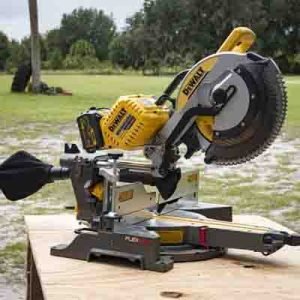
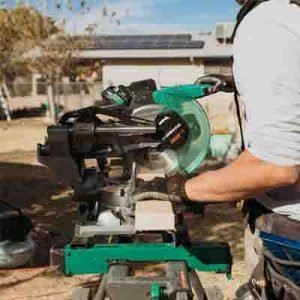
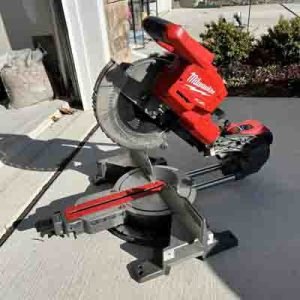


A cordless mitre saw can be one of the most useful additions to a woodworking or building toolkit when portability, quick set-up and freedom from mains cables matter. The right model can make repeat crosscuts, mitre joints, bevel cuts, skirting-board work, trim installation and general site carpentry considerably easier. However, cordless mitre saws vary substantially in blade size, cutting capacity, battery platform, motor technology, weight, dust extraction, angle adjustment and intended workload. Rather than choosing solely by voltage, blade diameter or headline specifications, it is worth considering how the saw will actually be used. A compact 18V machine may be preferable for second-fix carpentry and occasional DIY because it is easier to transport, while a larger 18V, 36V or 54V system may be better suited to heavier timber and repeated cuts. Battery compatibility can be equally important: if you already own several batteries from a particular professional or DIY platform, buying a saw that uses those packs can reduce the overall cost and simplify your kit. Current UK ranges illustrate how broad the market has become. DEWALT offers compact 18V XR models alongside larger 54V XR FLEXVOLT machines, Bosch Professional has 18V models in 216mm, 254mm and 305mm classes, while RYOBI's 18V ONE+ range includes 190mm, 216mm and 254mm cordless mitre saws. These are not direct equivalents, so specifications should always be assessed in relation to the type of work you intend to undertake. Blade diameter is one of the easiest specifications to compare, but it should not be treated as a simple measure of overall quality. Common cordless mitre-saw sizes include approximately 184mm, 190mm, 216mm, 254mm and 305mm. Larger blades can generally accommodate larger cutting capacities, although the actual maximum cut depends on the saw's geometry, rail arrangement, fence design, bevel position and blade specification. A smaller blade can make sense when portability is a priority. Compact machines can be easier to carry between rooms, transport in a van or use on temporary workstations. A 216mm saw can provide a useful middle ground for users who need more capacity than a compact 184mm or 190mm model without moving into the bulk of a 254mm or 305mm machine. Do not assume that a larger blade automatically produces better results. If most of your work involves skirting board, architrave, stud timber or relatively modest section sizes, the extra capacity of a large saw may add weight and cost without providing a meaningful benefit. Maximum cutting capacity is arguably more useful than blade diameter when comparing machines. Manufacturers normally provide dimensions for cuts at different combinations of mitre and bevel angles. A saw might have a generous straight crosscut capacity but a substantially smaller capacity when the head is tilted for a compound cut. Always examine the figures for the specific cutting position you use most frequently. If your work involves wide boards, shelving, fascia, flooring components or larger timber, concentrate on the maximum width and depth at 90 degrees. If you regularly create compound joints, examine the corresponding 45-degree mitre and bevel capacities instead. For example, the Bosch Professional GCM 18V-216 D is specified with a 70 x 305mm cutting capacity at 0 degrees, while the larger GCM 18V-305 GDC is specified for 104 x 341mm at 0 degrees. The difference demonstrates why the intended material size should be considered before choosing a blade class. A sliding mitre saw uses rails or a sliding mechanism to move the blade through a wider workpiece. This can significantly increase crosscut capacity compared with a compact non-sliding design. Sliding mechanisms are particularly useful for wider timber and boards, but they also increase the physical depth of the saw. This matters in a small workshop because the rear rail travel can require considerably more clearance behind the machine. Before buying, measure the available bench or stand area with the rails fully extended. For repetitive trim work, a compact sliding design can offer a useful balance between capacity and portability. For occasional narrow crosscuts, however, paying extra for extensive slide travel may not be worthwhile. The mitre adjustment determines how far the saw can rotate left and right for angled crosscuts. Positive stops allow commonly used angles to be selected quickly and consistently rather than relying entirely on a scale. Common useful positions include 15, 22.5, 30 and 45 degrees, although the exact detent arrangement varies between machines. A good adjustment mechanism should feel predictable and should allow the user to lock an intermediate angle securely when a non-standard joint is required. For installation work, repeatability is often more important than having the largest possible angle range. A saw that returns reliably to a commonly used position can save time over a long series of identical cuts. Bevel adjustment tilts the blade relative to the workpiece. This is essential for compound cuts, where the workpiece is both mitred and bevelled. A single-bevel saw tilts in one direction, while a dual-bevel or double-bevel design can tilt both left and right. Dual-bevel capability can be particularly convenient when producing matching components because the workpiece does not always need to be turned around to achieve the opposite bevel. If you frequently work with complex mouldings, furniture components or architectural trim, investigate the bevel range and adjustment mechanism carefully. A specification that simply states “compound mitre saw” does not tell you everything about how convenient the machine will be in practice. Cordless mitre saws are available across several battery systems. Voltage can indicate the electrical platform, but it should not be used as the only measure of cutting performance. Battery capacity, motor design, electronic control, blade choice, material density and cutting technique all influence practical performance. A larger battery may provide greater energy capacity, but it can also add weight to the tool. For portable site work, that trade-off can matter. 18V is a particularly broad category. It includes compact machines aimed at DIY and trim work as well as professional-grade tools designed around high-performance battery platforms. For users already invested in an 18V ecosystem, staying within that platform can be convenient. DEWALT 18V XR, Bosch Professional 18V and RYOBI 18V ONE+ are examples of established battery ecosystems with cordless mitre-saw options. Compatibility must always be checked within the manufacturer's own system because batteries from different brands are not interchangeable simply because their nominal voltage is similar. Higher-voltage cordless systems are intended to deliver greater power for demanding cutting applications while retaining the mobility benefits of battery operation. DEWALT's 54V XR FLEXVOLT range, for example, includes larger cordless mitre saws such as the 216mm DCS777. The advantage of moving into a higher-power platform is most apparent when the saw is expected to process larger or denser timber repeatedly. The disadvantages can include greater machine weight, larger batteries, higher purchase costs and a larger overall kit footprint. Battery capacity is normally expressed in ampere-hours, or Ah. A higher Ah rating generally means more stored electrical energy, but runtime should not be predicted from Ah alone. Actual runtime varies with the material being cut, blade sharpness, workpiece dimensions, cutting frequency, motor efficiency and user technique. Manufacturer runtime figures should therefore be treated as model-specific reference information rather than a universal promise of how many cuts any user will obtain. If you use a cordless mitre saw professionally, carrying a second charged battery can be more useful than choosing the largest possible battery for every application. It can also be sensible to compare battery charging times and the availability of compatible rapid chargers when planning a full day's work. Motor technology is another useful comparison point. Brushless motors eliminate conventional carbon brushes and are commonly used in modern professional cordless power tools. Potential advantages include efficient use of battery energy, reduced routine brush replacement and electronic control features. However, “brushless” should not be treated as a guarantee that one saw will outperform every brushed competitor. Cutting capacity, gearing, blade quality, battery technology and overall engineering remain important. For frequent professional use, brushless technology can be attractive because the tool is likely to spend considerably more time under load. For occasional DIY use, the additional cost may not always be justified if a conventional motor already meets the required cutting capacity. The supplied blade deserves more attention than it often receives. Two saws with similar motor specifications can produce noticeably different results when fitted with blades intended for different materials or finishes. Higher tooth counts can be useful where a finer finish is required, while lower tooth counts can favour faster cutting through suitable timber. The ideal choice depends on the material, blade geometry and desired finish. For decorative trim and visible finished surfaces, blade selection can be particularly important. A coarse blade that is perfectly appropriate for construction timber may not be the best choice for clean finish cuts. Kerf refers to the width of the cut made by the blade. Thin-kerf blades can remove less material and may be advantageous for some battery-powered applications because less material is being removed per cut. However, blade stiffness, tooth geometry and the intended saw must also be considered. The replacement blade must match the saw's specified diameter and bore. Never assume that a physically similar blade is compatible. Check the manufacturer's requirements before purchasing replacements or alternative blades. Accuracy depends on more than the printed angle scale. The rigidity of the base, fence alignment, pivot mechanism, detent design, blade condition and workpiece support all contribute to the final result. A solid, correctly aligned fence provides the reference surface against which the workpiece is positioned. Split or sliding fences can make it easier to accommodate different cutting positions, particularly on compound saws where the head occupies more space during angled cuts. Clearly marked scales and positive detents make repeated angle settings quicker. However, the ability to make fine adjustments between detents is equally useful for unusual joints. Some cordless mitre saws use lasers, while others use shadow-line systems or illuminated indicators. A shadow-line system can show the blade's position directly against the workpiece without requiring a separately aligned laser beam. DEWALT's DCS365, for example, uses an XPS shadow-line indication system. The important question is not which technology sounds more advanced, but whether the indicator remains easy to see in the lighting conditions where the saw will normally be used. Mitre saws can generate a substantial amount of airborne dust, particularly when cutting MDF, engineered boards and other dusty materials. A dust bag can help with basic collection, but a suitable extraction system can be preferable for workshop use. When comparing models, check the extraction connection, the position of the dust outlet and whether the manufacturer's system is compatible with the vacuum or extractor you already use. A good extraction connection can also make it easier to maintain a clear cutting line. Dust extraction should never replace appropriate respiratory protection or safe working practices where the material and working environment require them. One of the strongest reasons to buy cordless is portability, but a cordless saw is not automatically lightweight. Larger blade sizes, reinforced bases, sliding mechanisms and high-capacity batteries can result in substantial equipment. Consider the entire carrying weight: saw, battery, blade, stand and any accessories. A machine that is manageable when moved from a workshop bench to a van may feel very different when repeatedly carried upstairs or transported around a large site. Handles and carrying points matter too. A well-positioned handle can make a heavier saw easier to move, whereas an awkward centre of gravity can become irritating during frequent transport. A mitre saw should be supported properly, especially when cutting long or heavy material. Integrated extension arms can help with moderate workpieces, but dedicated saw stands can offer greater stability and longer support. When comparing stands, look for compatibility with the saw's mounting pattern, maximum supported workpiece length and ease of transporting the complete setup. Folding stands can be especially useful for mobile tradespeople. For long boards, adequate side support is not simply a convenience. Unsupported material can move during a cut, affect accuracy and create an unsafe working situation. A compact saw can be a sensible choice for DIY users, installers, second-fix carpenters and anyone who prioritises transportability. The key advantage is not maximum cutting capacity but the ability to take a capable saw directly to the work area. A larger machine becomes more compelling when work regularly involves wide or deep timber, substantial mouldings or repeated production cuts. Larger models can also offer broader cutting capacities and more substantial workpiece support. Professional users should nevertheless balance capacity against transport requirements. There is little benefit in carrying a large machine every day if most of the material being cut could comfortably be handled by a smaller model. DIY buyers should normally prioritise ease of use, appropriate capacity, battery value and safe operation rather than paying for specifications that will rarely be used. If you already own several compatible batteries, a bare-tool purchase may make more sense than buying another charger and battery pack. If you do not own the platform, compare the cost of the complete system rather than the advertised saw price. Tradespeople should consider productivity over the entire working day. Important factors include battery availability, recharge times, cutting capacity, accuracy, durability, dust management, transportability and access to replacement blades and consumables. A more expensive machine can be commercially sensible if it saves repeated set-up time or handles the required material without forcing the operator to change tools. Conversely, an oversized machine can become a burden if it is regularly transported for work that requires only modest capacity. DEWALT has one of the broader cordless mitre-saw line-ups in the UK, spanning compact 18V XR models and larger 54V XR FLEXVOLT machines. The DCS365 is a compact 184mm sliding model, while the DCS777 is a 216mm 54V XR FLEXVOLT machine intended for heavier-duty applications. The main buying consideration is therefore not simply whether a DEWALT saw is good, but which part of the DEWALT battery ecosystem best matches the intended workload. Buyers should also distinguish between bare-tool and kit versions when comparing offers. Bosch Professional's cordless mitre-saw range includes several blade sizes, including 216mm, 254mm and 305mm machines. This gives buyers the ability to remain within an 18V professional battery ecosystem while selecting capacity according to the work required. The GCM 18V-216 D, GCM 18V-254 D and GCM 18V-305 GDC illustrate the substantial difference that blade class can make to cutting capacity and overall machine size. RYOBI's 18V ONE+ range is particularly relevant to DIY users and homeowners who want a broad battery platform covering multiple garden and workshop tools. Its UK cordless mitre-saw range includes 190mm, 216mm and 254mm models. The 216mm R18MS216-0, for example, is specified with a 70 x 270mm cutting capacity at 90 degrees and uses the 18V ONE+ battery system. As with any battery platform, buyers should compare the complete cost of the saw, battery and charger if they are not already invested in the system. The advertised bare-tool price can make one model appear much cheaper than another, but this can be misleading when the buyer does not already own compatible batteries. Calculate the total initial system cost: For existing users of a battery platform, the calculation is different because batteries and chargers may already be available. This is one of the strongest reasons to remain within an established ecosystem rather than choosing a completely different brand for one tool. A higher voltage does not automatically mean that a saw is the best choice. Compare actual capacity, blade size, motor design, battery system, weight and intended application. A bare-tool listing may look attractive until the cost of the required battery and charger is added. Always compare like-for-like configurations. Large professional machines can be excellent tools, but their additional capacity may be unnecessary for small trim projects. Extra weight and storage space can become disadvantages. The opposite mistake can be equally frustrating. If your normal work involves wide boards, a compact saw may force you to make multiple cuts or use another tool. Sliding saws can require significant space behind the machine. Measure the complete operating area, not merely the dimensions of the folded saw. Check the availability and cost of suitable replacement blades before buying. A saw is only as useful as the consumables available for the materials you intend to cut. The supplied blade may be a general-purpose option. For specialist materials or fine finishing, a different blade may be more appropriate. When comparing two or more cordless mitre saws, place the most relevant specifications side by side rather than focusing on a single headline figure. This approach prevents an attractive specification in one category from distracting from a weakness in another. Manufacturer capacity figures can look confusing because they are often presented as width by height at particular angles. The first dimension normally relates to the width of material that can be crossed, while the second relates to the depth or thickness in the specified configuration. Do not compare a 0-degree capacity from one saw with a 45-degree compound capacity from another and assume the larger number represents superior performance. Always compare the same cutting configuration. It is also worth remembering that mouldings and irregular workpieces can behave differently from simple rectangular timber. The practical capacity may depend on how the workpiece sits against the fence and table. A cordless mitre saw is a powerful cutting machine and should be treated as such. Look for appropriate blade guarding, secure workpiece support, positive locking mechanisms and controls that can be operated without compromising grip or stance. Always follow the manufacturer's operating instructions and use the correct blade for the material. Keep hands away from the blade path, secure loose clothing and ensure the workpiece is properly supported before cutting. Before changing a blade, clearing material or carrying out maintenance, follow the manufacturer's isolation procedure. For cordless machines, removing the battery is an important part of preventing unintended operation, but the manufacturer's instructions should always take precedence. Remove accumulated sawdust from the table, fence, guards and extraction areas. Excessive debris can interfere with workpiece positioning and moving mechanisms. A blunt or damaged blade can compromise cut quality and place additional load on the tool. Replace or professionally sharpen blades according to the blade manufacturer's recommendations. Periodically check that the fence remains correctly aligned. Even a small alignment error can become obvious when making repeated joints. Use and store batteries according to the battery manufacturer's instructions. Protect packs from inappropriate temperatures, moisture, impact and other conditions that could damage them. Vibration and repeated transport can affect adjustments over time. Include a quick inspection of important locking points and alignment controls as part of routine maintenance. These categories are guidelines rather than strict rules. Actual capacity varies between models, so the manufacturer's individual specifications should always be checked. For skirting-board installation, a compact or mid-sized sliding mitre saw can be particularly practical. Prioritise a clear cut-line indicator, easy angle adjustment, stable workpiece support and a blade capable of producing a clean finish. Battery runtime also matters because skirting installation can involve a large number of repeated cuts. If you already own compatible batteries, selecting a saw from the same platform can make mobile work more convenient. For heavier construction timber, capacity should take priority over compactness. Check the maximum straight cut dimensions and the performance of the saw with the relevant material size. Consider whether the battery system is intended for sustained high-load applications and whether you can carry sufficient charged batteries for the planned workload. A suitable stand or side support is also important when dealing with long lengths of timber. Fine woodworking places greater emphasis on repeatability, blade quality, fence alignment and adjustment precision than on maximum cutting capacity alone. Look for a rigid base, clearly graduated scales, reliable detents and a mechanism that allows fine adjustment between common preset angles. A quality finishing blade can be just as important as the saw itself when working with visible timber. Cordless is not automatically superior to corded. If a saw will remain permanently in a workshop beside a suitable power outlet and is used for long production sessions, a corded machine may offer a simpler solution without battery charging requirements. Likewise, if your work regularly exceeds the capacity of portable mitre saws, a larger stationary cutting solution may be more appropriate. The best tool is the one that matches the material, workload and working environment rather than the one with the most impressive specification. Customer reviews can provide useful information, but they should be interpreted alongside manufacturer specifications and your own requirements. Look for recurring comments about accuracy, battery life, portability, adjustment mechanisms, dust collection and build quality rather than relying on an isolated review. Pay particular attention to reviews from people undertaking work similar to yours. A DIY user making occasional trim cuts may have very different priorities from a professional carpenter using the saw every working day. Also distinguish comments about the bare tool from comments about complete kits. A review discussing a supplied battery does not necessarily apply to a bare-tool configuration. Prices can change and product configurations can differ, so price comparisons should always be made using the exact model number and package contents. This is particularly important when comparing UK listings because apparently similar product names can refer to different kit configurations. For 2026 buying decisions, the strongest approach is to start with your cutting requirements and battery ecosystem rather than beginning with a particular brand. Establish the maximum workpiece size, required angles, expected frequency of use and portability requirements first. Next, shortlist machines that meet those practical requirements. Only then should you compare motor technology, additional features, included accessories and overall cost. Current product ranges show that buyers no longer have to choose between a tiny cordless saw and a very large professional machine. There are compact 18V models, mid-range 216mm machines and larger cordless systems designed for demanding workloads. This makes matching the saw to the job more important than simply choosing the highest specification. There is no single best cordless mitre saw for every buyer. The right choice depends on cutting capacity, battery platform, portability, required angles, budget and frequency of use. A compact 18V model may be ideal for trim work, while a larger professional machine can be more suitable for substantial timber and repeated cuts. Many 18V cordless mitre saws are capable of substantial cutting work. The important point is that 18V covers a wide range of machines. Compare the individual model's cutting capacity, motor, battery requirements and intended application rather than judging performance from voltage alone. They can be particularly worthwhile when portability and freedom from mains cables are important. They are convenient for site work, renovation projects and locations where a power outlet is inconvenient. For a permanently installed workshop machine, however, a corded saw may still be more practical. A 216mm model can provide a useful balance between cutting capacity, portability and overall machine size. Whether it is suitable depends on the dimensions of the material you normally cut. Always check the manufacturer's actual capacity at 90 degrees, 45-degree mitre and bevel positions. They require blades that match the saw's specified diameter and bore. The tooth configuration should also suit the material and finish required. Always follow the saw and blade manufacturer's compatibility instructions. If you already own compatible batteries and a charger, a bare tool can be the more logical configuration. If you are entering a new battery platform, compare the complete kit cost because the battery and charger can materially change the overall purchase cost. Brushless motors offer advantages such as efficient power management and the absence of conventional carbon brushes, but motor type should not be considered in isolation. Cutting capacity, blade, battery, build quality and intended workload remain important. Choose a blade size based on the maximum material you need to cut. Smaller blades can favour portability, while larger blades generally provide greater cutting capacity. Always compare actual manufacturer capacity figures rather than assuming a particular diameter guarantees a specific cut size. If you regularly cut wider boards or larger sections of timber, sliding capability can be very useful. If most of your work involves narrow trim, the additional size and rear clearance of a sliding mechanism may not be necessary. Prioritise accurate adjustment, suitable cutting capacity, battery availability, durability, workpiece support, dust management, manageable transport weight and access to replacement blades and parts. For professional users, productivity over the working day is usually more important than any single headline specification. The best platform is usually the one that provides the performance you need and is compatible with tools and batteries you already own. DEWALT XR and XR FLEXVOLT, Bosch Professional 18V and RYOBI ONE+ are examples of established cordless ecosystems with UK mitre-saw options, but the ideal platform depends on whether the priority is DIY versatility, professional site work, maximum cutting capacity or compatibility with an existing tool collection. The best cordless mitre saw is not necessarily the largest, most powerful or most expensive model. It is the machine that provides enough cutting capacity for your materials while remaining practical to transport, store and operate. Start by identifying the largest workpiece you regularly cut. Then consider whether you need sliding and dual-bevel functionality, which battery platform makes sense, how much portability matters and whether your workload justifies a professional-grade machine. After that, compare the exact model specifications, kit contents, blade requirements, extraction options and current retailer pricing. For occasional DIY and trim work, a compact 18V machine can be a sensible solution. For broader general-purpose work, a 216mm sliding model can offer a useful compromise. For demanding professional applications, larger 254mm or 305mm cordless machines may be justified where their additional capacity will genuinely be used. Most importantly, compare like with like. Check the exact model number, battery configuration and cutting figures, read verified customer feedback critically, and confirm current specifications before purchasing. That approach is more reliable than choosing a cordless mitre saw purely on brand reputation, voltage or headline price.How to Choose the Best Cordless Mitre Saw in the UK
Quick Buying Checklist
What Matters Most When Comparing Cordless Mitre Saws?
Blade Diameter
Cutting Capacity
Sliding Versus Non-Sliding Designs
Mitre Range and Positive Stops
Bevel Adjustment
Battery Voltage Is Not the Whole Story
18V Cordless Mitre Saws
Higher-Voltage Systems
Battery Capacity and Runtime
Brushless Versus Brushed Motors
Blade Choice: The Specification That Can Change the Result
Tooth Count
Kerf
Blade Bore and Diameter
Accuracy: What to Look for Beyond Marketing Claims
Fence Design
Detents and Scales
Cut-Line Indicators
Dust Extraction and Workshop Cleanliness
Portability and Weight
Cordless Mitre Saw Stands and Work Support
Who Needs a Compact Cordless Mitre Saw?
Who Benefits From a Larger Cordless Mitre Saw?
DIY Versus Professional Use
For DIY Users
For Tradespeople
Comparing Popular Cordless Mitre Saw Platforms
DEWALT XR and XR FLEXVOLT
Bosch Professional 18V
RYOBI ONE+
Battery Ecosystem Cost: The Hidden Part of the Buying Decision
Common Cordless Mitre Saw Buying Mistakes
Choosing by Voltage Alone
Ignoring the Battery and Charger
Buying Too Much Saw
Buying Too Little Capacity
Ignoring the Rear Clearance
Forgetting Replacement Blades
Assuming the Supplied Blade Is Ideal for Everything
How to Compare Specifications Properly
Understanding Cut Capacity Figures
Safety Features and Safe Working Practices
Maintenance Tips for Better Long-Term Performance
Keep the Cutting Area Clean
Check Blade Condition
Inspect the Fence
Look After the Battery
Check Fasteners and Adjustments
Which Cordless Mitre Saw Size Is Right for You?
How to Choose the Right Saw for Skirting Boards
How to Choose a Cordless Mitre Saw for Decking and Larger Timber
How to Choose a Cordless Mitre Saw for Fine Woodworking
When a Cordless Mitre Saw May Not Be the Best Choice
Questions to Ask Before Buying
How to Read Customer Reviews Critically
How to Compare Prices Without Comparing the Wrong Products
Best Cordless Mitre Saw Buying Strategy for 2026
Frequently Asked Questions
What is the best cordless mitre saw?
Is an 18V cordless mitre saw powerful enough?
Are cordless mitre saws worth buying?
Is a 216mm cordless mitre saw a good all-round choice?
Do cordless mitre saws need special blades?
Should I buy a bare tool or a kit?
Is a brushless cordless mitre saw better?
What blade size should I choose?
Do I need a sliding cordless mitre saw?
What should I look for in a professional cordless mitre saw?
Which battery platform is best?
Final Buying Advice