

Our experts reviewed the latest {category_name } to help you compare quality, performance, durability and overall value before making your purchase.






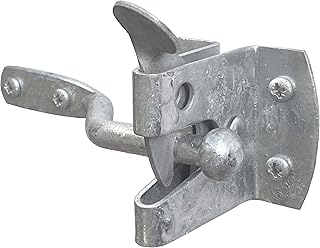


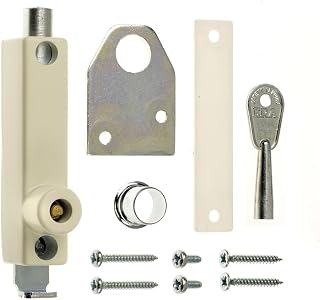


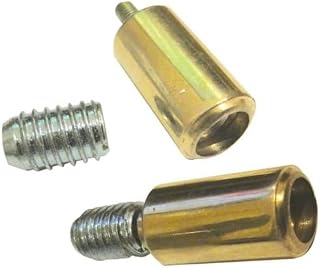


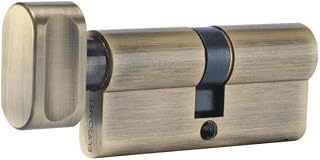


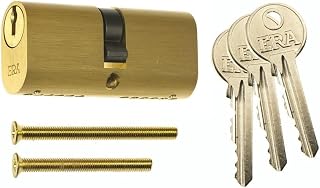


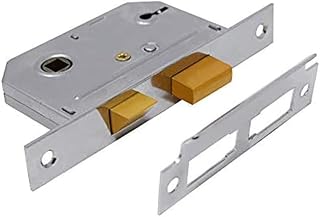

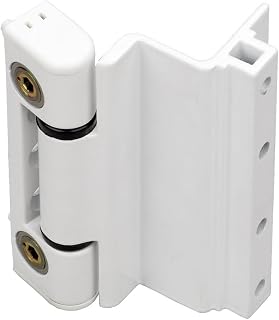
Choosing security ironmongery is not simply a matter of finding the strongest-looking lock or the most substantial door handle. The best specification depends on the door construction, intended level of security, frequency of use, escape requirements, fire performance, exposure to weather and compatibility between individual components. A well-specified door may combine a lock or cylinder with security furniture, a suitable strike or keep, correctly selected hinges, a door closer and, where appropriate, panic or emergency exit hardware. Each component needs to work with the others. A premium component can still deliver poor results if it is installed on an unsuitable door, paired with incompatible hardware or fitted incorrectly. This guide is designed to help UK buyers compare security ironmongery by function, construction, security requirements, durability, standards, installation considerations and long-term maintenance. It is intended as an independent buying resource, so product specifications and suitability should always be checked against the manufacturer's current documentation and the requirements of the particular door or building. Security ironmongery is a broad category covering mechanical hardware used to secure, operate, control or reinforce doors and other access points. Depending on the application, it can include: The correct choice therefore starts with the door and its purpose rather than with a particular brand or product appearance. When comparing products, consider the following factors together rather than ranking products by one specification alone. Standards are useful because they provide a more meaningful basis for comparison than marketing descriptions such as “heavy duty”, “high security” or “maximum protection”. However, the relevant standard depends on the type of hardware and the application. For example, BS EN 12209 covers mechanically operated locks and locking plates, while BS 3621:2017+A1:2024 specifies requirements for thief-resistant mechanically operated single-point lock assemblies operated by key from both sides. The latter also considers associated elements such as locking plates, fixing screws, cylinders and protective furniture where appropriate. For escape hardware, BS EN 1125 concerns panic exit devices operated by a horizontal bar on escape routes, whereas BS EN 179 covers emergency exit devices operated by a lever handle or push pad. These are not interchangeable concepts simply because both are associated with escape doors. The appropriate hardware depends on the circumstances of the building and the intended method of escape. Always check the complete classification, scope and installation requirements rather than treating the name of a standard as a blanket guarantee that a particular product is suitable for every door. Traditional British Standard night-latch and mortice-lock terminology can be confusing because similar-looking products can provide different arrangements for securing and exiting a property. BS 3621:2017+A1:2024 relates to thief-resistant mechanically operated single-point lock assemblies that can be locked from both sides with a key. BSI specifically distinguishes this arrangement from products providing keyless egress, which are addressed by other standards such as BS 8621 and BS 10621. This distinction matters when comparing replacement locks. A buyer should establish how the door needs to behave when occupied, when unoccupied and during an emergency. Security requirements should never be considered independently from safe means of escape. Euro profile cylinders are widely used in modern door hardware, particularly on multipoint locking systems. When comparing replacement cylinders, avoid judging them solely by their external appearance. Important considerations include: TS 007 is another specification buyers may encounter when comparing enhanced-security replacement cylinders and associated hardware. Current product documentation should be checked carefully because certification and scheme details can change over time. Handles are often selected primarily for appearance, but security furniture can have an important role in protecting the locking mechanism and providing dependable everyday operation. When comparing handles, consider the construction of the handle set, fixing method, spindle dimensions, backplate or rose design, cylinder protection, corrosion resistance and compatibility with the lock case. For externally accessible cylinders, protective furniture can reduce exposure of the cylinder body. The precise level of protection depends on the design and installation, so a reinforced or security-oriented handle should not be treated as a substitute for an appropriately specified cylinder and lock. Brands commonly encountered in UK architectural and door hardware markets include Yale, ERA, Union, Hoppe and ASSA ABLOY. Brand familiarity can be useful when comparing product ranges, but the individual model specification remains more important than the name alone. A mortice lock sits within a prepared recess in the door, making its dimensions particularly important when replacing an existing lock. Compare: A common buying mistake is to select a lock based on a photograph and general description without measuring the existing preparation. Even small dimensional differences can create installation problems or leave the latch and keep poorly aligned. Modern residential external doors often use multipoint locking systems that engage at several positions around the door. When replacement hardware is required, the visible cylinder or handle may be only one part of the overall mechanism. Before buying a replacement component, identify the lock type and measurements. Relevant details can include the cylinder profile, backset, centre dimensions, spindle size, gearbox arrangement, faceplate dimensions, locking-point configuration and overall door preparation. If a multipoint mechanism is damaged or worn, replacing only the cylinder may not address the underlying fault. Conversely, replacing an entire mechanism when the cylinder or furniture is the actual problem can create unnecessary cost and compatibility issues. Hinges support the door throughout its operating life and can be especially important on external or security-sensitive doors. A strong lock does not compensate for poorly selected or badly fitted hinges. When comparing hinges, examine the hinge type, dimensions, load capacity, material, finish, fixing arrangement, grade where specified and compatibility with the door construction. On outward-opening doors, hinge-side protection may also deserve consideration. Depending on the door and frame design, security pins, dog bolts or other anti-lift measures can help address vulnerabilities created by exposed hinges. Such components must be selected carefully so they do not interfere with the door's intended operation or fire performance. Door closers are not primarily security products, but they can form an important part of a complete door hardware specification. A door that reliably returns to its closed position can help maintain controlled access and, where applicable, support the intended performance of a fire doorset. Compare closer body size, power adjustment, installation position, opening force, closing speed, latching action, backcheck and other available functions according to the application. For fire doors, compatibility is particularly important. UK government fire-door guidance includes checks of hinges, locks and other ironmongery, as well as the operation of self-closing devices. Do not wedge a fire door open simply to make everyday movement easier. Where a hold-open arrangement is necessary, the appropriate system should be specified for the particular doorset and fire strategy. The distinction between panic exit and emergency exit hardware is one of the most important areas to understand before purchasing commercial door ironmongery. BS EN 1125 applies to panic exit devices operated by a horizontal bar and is intended for use on escape routes where the design needs to accommodate panic situations. BS EN 179 applies to emergency exit devices operated by a lever handle or push pad. The choice should therefore be based on the building, occupants, escape strategy and applicable requirements rather than personal preference for a push bar or lever. For commercial, public-access and multi-occupancy buildings, professional specification is particularly important. Escape hardware must provide the required method of egress without creating an unacceptable security compromise. Fire-door hardware should not be selected in the same way as ordinary domestic door furniture. A fire doorset is a coordinated assembly, and changing one component can affect the performance of the complete door arrangement. Relevant considerations can include: Government fire-door guidance specifically identifies hinges, locks and other ironmongery as items that should be checked, alongside the door closer, frame, seals and door gaps. Do not assume that a product described as “fire door suitable” is automatically appropriate for every fire-rated doorset. Check the manufacturer's installation instructions and the evidence for the specific door assembly. Material selection affects durability, appearance, corrosion resistance and sometimes the weight or feel of the hardware. Stainless steel is frequently considered for demanding environments because of its corrosion resistance and robust appearance. However, the grade, finish and environment still matter. “Stainless steel” is not a complete specification by itself. Brass can provide a traditional appearance and is common in architectural door furniture. Different finishes and surface treatments can alter both appearance and resistance to wear or tarnishing. Aluminium is lightweight and widely used in architectural hardware. It can be a practical choice where weight, finish and corrosion considerations need to be balanced. Steel hardware can provide substantial mechanical strength, but its suitability depends on the steel grade, coating, finish and environment. External installations need particular attention to corrosion protection. A high-quality finish is not merely cosmetic. Door hardware is repeatedly touched, operated, cleaned and exposed to environmental conditions. For external doors, compare the manufacturer's corrosion-resistance classification or test information where available rather than relying on phrases such as “weather resistant”. Coastal locations, exposed elevations, industrial environments and areas subject to frequent cleaning may place substantially greater demands on hardware than a sheltered internal entrance. Also consider how the finish will age alongside existing hinges, handles, letterplates and other fittings. A technically suitable replacement can look mismatched if the finish is noticeably different. For a typical residential front door, a useful comparison should consider the entire locking arrangement rather than one individual component. The frame deserves particular attention. A strong lock installed into a weak or poorly secured frame may not provide the expected level of resistance to forced entry. Commercial applications introduce additional variables, including higher traffic, different access requirements, larger or heavier doors, escape routes, fire strategies and potentially multiple users. Compare hardware according to the function of each door. A staff-only office door may require a different arrangement from a main entrance, plant-room door, fire exit, warehouse entrance or public-facing final exit. For larger projects, establish a hardware schedule before ordering. This can identify each door, its function, lock type, cylinder system, handles, hinges, closer, exit device, finish and any relevant certification or performance requirements. Communal entrances need to balance security with ease of access, reliability and safe escape. The hardware may be used considerably more frequently than a domestic front door, making durability and maintenance especially important. Consider the needs of residents, visitors, maintenance personnel and emergency access arrangements. Where access control is integrated with mechanical hardware, confirm that the complete arrangement operates as intended during both normal use and emergency conditions. External hardware faces environmental exposure as well as mechanical use. Rain, condensation, temperature changes, airborne pollutants, salt and cleaning products can all influence the service life of finishes and moving components. Before choosing external ironmongery, consider the door's exposure, proximity to the coast, frequency of use, cleaning regime and desired finish. A product suitable for a sheltered entrance may not be the best choice for an exposed commercial doorway. Brand comparison is most useful when it leads to a like-for-like assessment of the actual products. The best brand is therefore not necessarily the one with the strongest reputation. The better choice is the product that satisfies the door's actual technical and operational requirements. A substantial-looking handle or lock can be visually reassuring but may not provide the required technical performance. Compare dimensions, construction, classification, compatibility and intended use. Lock cases, cylinders, handles and hinges have specific dimensions. Measure the existing installation before ordering replacement hardware. Euro profile may describe the shape without telling you the correct length, function or security features. Check the complete cylinder specification. Timber, composite, steel, aluminium and other doors can require different installation methods and hardware. The door leaf and frame must be considered together. Security is only as strong as the overall door assembly. The lock, keep, frame and fixings need to work together. Fire doors require particular care. Do not assume that any standard lock, hinge, closer or exit device can simply be substituted without considering the doorset's evidence and installation requirements. Push bars and lever-operated exit devices are not simply two aesthetic alternatives. Their application is governed by the circumstances in which the door is intended to be used. A cheaper component may become poor value if it wears quickly, is difficult to maintain, does not match existing hardware or requires additional replacement components. When comparing two products, create a like-for-like specification rather than comparing headline descriptions. This approach makes it easier to identify products that appear similar but are actually intended for different applications. The highest possible security specification is not automatically the best specification for every door. A door used frequently by a large number of people needs to remain practical, accessible and reliable. For example, a lock that requires complicated operation may be inappropriate for a busy entrance even if it offers attractive security characteristics. Likewise, a highly restrictive locking arrangement may create an unacceptable escape issue. The objective is to select the appropriate level of security while preserving dependable everyday operation and compliance with the requirements that apply to the building. Even correctly specified hardware can perform poorly if installation is inaccurate. Misalignment can increase operating forces, accelerate wear and prevent latches or bolts from engaging properly. Installation should follow the manufacturer's instructions, particularly for fire doors, exit devices, door closers and security hardware with defined fixing arrangements. Where substantial alterations are required to a fire-resisting doorset, security door or commercial escape door, competent professional advice may be appropriate. Security ironmongery should be treated as working hardware rather than a fit-and-forget purchase. Regular inspection can identify loose fixings, misalignment, corrosion, damaged furniture, worn cylinders, failing closers and stiff or unreliable locking mechanisms. For fire doors, government guidance specifically highlights checks covering the door, frame, glazing, hinges, locks and other ironmongery, door gaps, seals and self-closing devices. Do not make improvised modifications to security or fire-door hardware simply to overcome an operational problem. Investigate the cause of the problem first. Replacement may be appropriate when hardware is damaged, worn, corroded, obsolete, incompatible with a replacement door or no longer meets the functional requirements of the building. Other warning signs include: A recurring fault can indicate an alignment, frame or door problem rather than a simple hardware failure. For rental properties, durability and straightforward maintenance can be more valuable than selecting the most elaborate specification available. Consider the frequency of tenant changes, key management, compatibility with existing doors, ease of obtaining replacement components and the need to maintain safe escape arrangements. Where several properties use the same hardware, standardising compatible components can simplify future maintenance, although each door should still be checked individually before ordering replacements. Renovation work is an opportunity to review the entire door hardware specification rather than replacing components one at a time. Before ordering, record every door and identify its function. Separate internal doors, external doors, fire doors, escape doors, communal entrances and high-security areas. This reduces the risk of selecting a visually consistent but technically unsuitable hardware set. Where historic or period properties are involved, appearance may also be important. Traditional finishes can be combined with modern security features, but compatibility and performance should take priority over appearance where safety or security is concerned. There is no single best security ironmongery product for every UK property. The right choice depends on the door, building, security objective and operating environment. For a domestic external door, prioritise a compatible locking system, appropriate cylinder protection, robust furniture and sound installation. For a commercial entrance, add durability, traffic levels and access requirements to the comparison. For fire and escape doors, safety and relevant performance requirements become fundamental parts of the specification. For every purchase, compare the exact model number, dimensions, applicable standards, installation requirements and intended application. Then check current manufacturer information and verified customer feedback before making a final decision. The best specification depends on the door and existing locking system. For many residential doors, the comparison should include the primary lock, cylinder, protective furniture, hinges, frame and fixing arrangement rather than focusing on one component. No. Price alone does not establish suitability or security performance. Compare the product's construction, relevant standards, security features, compatibility, installation requirements and intended application. Check dimensions, anti-snap features where appropriate, resistance features such as anti-drill or anti-manipulation protection, key-control arrangements, emergency functions where required and compatibility with the existing lock and furniture. BS EN 1125 covers panic exit devices operated by a horizontal bar, while BS EN 179 covers emergency exit devices operated by a lever handle or push pad. The appropriate option depends on the application and escape requirements. No. Hardware for fire-resisting doorsets needs to be compatible with the particular door assembly and its intended performance. Check the manufacturer's documentation and relevant evidence before replacing components. Inspection frequency should reflect the type of door, frequency of use, environment and risk. High-traffic, external, fire and escape doors generally warrant closer attention than lightly used internal doors. Both are established names encountered in the UK security and door-hardware market. However, brand alone should not determine a purchase. Compare the exact product specification, compatibility, security features and intended application. Backset is an important measurement, but it is not the only one. Case dimensions, forend size, fixing positions, spindle and follower arrangements, door thickness and compatibility with the existing strike should also be checked. Hardware can contribute to security, but it cannot compensate indefinitely for a weak door leaf, frame or fixing arrangement. A whole-door assessment is more useful than upgrading one component in isolation. Stainless steel can be a practical choice for exposed applications, but the specific material grade, finish and environmental conditions still matter. Compare the manufacturer's corrosion information rather than selecting solely on the material name. The strongest approach to comparing security ironmongery is to start with the door, not the product catalogue. Establish what the door must achieve, measure the existing installation, identify applicable safety and performance requirements, and then compare compatible products on a like-for-like basis. For residential security, look beyond the cylinder to the entire locking assembly and frame. For commercial buildings, consider traffic, durability, access control and escape. For fire doors and escape routes, give safety, compatibility and relevant standards priority over appearance or price. Before purchasing, compare current specifications from manufacturers such as Yale, ERA, Union, Hoppe and ASSA ABLOY where relevant, read verified customer reviews, check dimensions carefully and confirm that the selected product is suitable for the precise door application. Standards and product specifications can change, so current manufacturer and standards information should take precedence over older product descriptions or generic buying advice. The aim is not simply to find the most heavily marketed security product. It is to select a compatible, appropriately specified and maintainable hardware system that provides the right balance of security, durability, usability and safe operation for the door.How to Compare Security Ironmongery for UK Doors
What Counts as Security Ironmongery?
Security Ironmongery Comparison: The Main Buying Criteria
Understanding Security Ratings and Standards
BS 3621, BS 8621 and BS 10621: Why Lock Type Matters
Euro Cylinder Security: What to Compare
Security Handles and Protective Door Furniture
Mortice Locks: How to Compare the Lock Case
Multipoint Locks and Replacement Hardware
Door Hinges: The Security Component That Is Often Overlooked
Door Closers and Security
Panic Hardware vs Emergency Exit Hardware
Fire Door Ironmongery: A Separate Buying Decision
Material Choices: Stainless Steel, Brass, Aluminium and Steel
Stainless Steel
Brass
Aluminium
Steel
Finish and Corrosion Resistance
Security Ironmongery for Front Doors
Security Ironmongery for Commercial Doors
Security Ironmongery for Communal and Multi-Occupancy Buildings
External Door Hardware: What Changes Outdoors?
How to Compare Security Ironmongery Brands
Common Security Ironmongery Buying Mistakes
Buying by Appearance Alone
Ignoring Measurements
Assuming Every Cylinder Is Interchangeable
Choosing a Lock Without Checking the Door
Overlooking the Frame
Fitting Non-Compatible Hardware to a Fire Door
Confusing Panic and Emergency Exit Hardware
Focusing Only on Initial Cost
How to Check a Replacement Lock Before Ordering
How to Compare Security Hardware Specifications
Security vs Convenience: Finding the Right Balance
Installation Quality Matters as Much as Product Selection
Maintenance and Inspection
When Should Security Ironmongery Be Replaced?
Security Ironmongery for Rental Properties and Landlords
Security Ironmongery for Renovation Projects
A Practical Security Ironmongery Buying Checklist
How to Choose the Best Security Ironmongery for Your Needs
Quick Comparison: Which Type of Ironmongery Do You Need?
Frequently Asked Questions About Security Ironmongery
What is the best security ironmongery for a front door?
Is a more expensive lock always more secure?
What should I look for in a security cylinder?
What is the difference between panic and emergency exit hardware?
Can I fit any lock to a fire door?
How often should security ironmongery be checked?
Are Yale and ERA good brands for door security?
What is the most important measurement when replacing a mortice lock?
Can security hardware improve a weak door?
Should I choose stainless steel for external door hardware?
Final Buying Advice