

Our experts reviewed the latest {category_name } to help you compare quality, performance, durability and overall value before making your purchase.


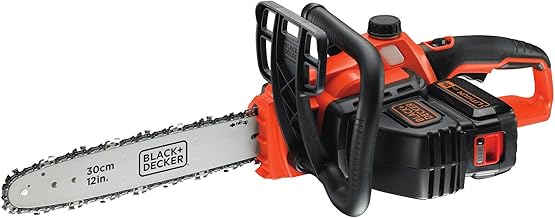


Choosing a BLACK+DECKER chainsaw is less about finding one universally “best” model and more about matching the saw to the type, size and frequency of cutting you actually expect to do. A compact cordless model can be a sensible choice for pruning and occasional garden maintenance, while a larger corded electric chainsaw may be more appropriate when sustained cutting power and a longer bar are more important than portability. Before comparing individual models, consider the diameter of the timber you normally cut, whether you have convenient access to mains electricity, whether you already own compatible BLACK+DECKER batteries, how often the saw will be used and how much weight you are comfortable handling. These factors can matter more than headline power figures alone. The BLACK+DECKER chainsaw range has included cordless and mains-powered options in several sizes, giving buyers different approaches to garden cutting. Examples that may appear during UK product comparisons include the GKC1825L20-GB, GKC3630L20-GB, CS2040-GB and CS2245-GB. Product specifications, included batteries and retailer bundles can vary, so always check the exact model number before purchasing. Cordless chainsaws are designed around mobility. There is no mains cable to manage while moving around a garden, which can make them particularly convenient for pruning, cutting fallen branches and carrying out occasional timber preparation away from a power socket. The main trade-off is that cutting time depends on the battery capacity, condition and workload. A cordless saw should therefore be assessed as a complete system rather than simply by looking at the voltage printed on the battery. Corded electric chainsaws can make sense when cutting takes place relatively close to a suitable mains supply. Instead of monitoring battery capacity, the user has continuous electrical power available while the tool is connected correctly. The disadvantage is obvious but important: the cable becomes part of the working environment. It needs to be positioned and managed carefully so that it cannot enter the cutting area or create a trip hazard. When comparing chainsaws, it is tempting to rank products according to motor wattage, battery voltage or bar length. Those figures are useful, but they do not tell the whole story. A better comparison considers the complete cutting system, including the chain, guide bar, lubrication arrangement, ergonomics, adjustment system, safety features and intended workload. Guide-bar length is one of the easiest specifications to understand, but it is frequently misunderstood. A longer bar does not automatically make a chainsaw better. It can provide greater potential cutting capacity, but it can also add weight, alter balance and make a compact saw less manoeuvrable. For routine garden pruning and smaller branches, a shorter bar can be easier to control. Larger bars become more relevant when the intended material is substantially thicker, although the manufacturer's stated cutting capacity and operating instructions should always take priority. For corded models, wattage provides an indication of the electrical power rating. For cordless models, voltage describes the battery system rather than giving a direct measurement of cutting performance. Cutting speed also depends on the chain, chain sharpness, timber condition, cutting technique and the load placed on the motor. A well-maintained chain can make a substantial difference to how a saw feels in use. Conversely, forcing a blunt chain through timber can increase strain on the tool and make cutting slower and less controlled. This is why two chainsaws should not be judged solely by comparing wattage or voltage figures. Look at the manufacturer's complete specification and consider whether it is designed for the workload you have in mind. Chain speed can be relevant when comparing electric chainsaws because it gives an indication of how quickly the chain travels around the guide bar. However, faster is not automatically better for every user. Control, chain design, lubrication, handling and the intended material all influence the practical cutting experience. When comparing models, treat chain speed as one specification among several rather than the deciding factor. For cordless models, battery capacity is normally expressed in ampere-hours, or Ah. A higher Ah rating generally indicates greater stored energy within the battery, but real-world runtime varies with the material being cut, branch diameter, chain condition, temperature, cutting technique and pauses between cuts. Manufacturer runtime or cut-count figures should therefore be treated as indicative rather than guaranteed results for every garden. An 18V cordless chainsaw can be appealing to homeowners who want a compact machine for routine garden maintenance rather than a saw intended for heavy forestry-style work. The BLACK+DECKER GKC1825L20-GB is an example of a compact 18V chainsaw with a 25cm bar. Its size makes the category particularly relevant to pruning and smaller cutting jobs, subject to the manufacturer's operating limits. One of the strongest reasons to consider an 18V model is the wider battery ecosystem. If you already have compatible BLACK+DECKER 18V equipment, buying a tool-only model can sometimes make more sense than purchasing another charger and battery. If you are starting from scratch, however, the complete kit price and battery capacity should be included when comparing the overall cost. A higher-voltage cordless chainsaw can be a useful middle ground for buyers who want cordless convenience without choosing the smallest saw in the range. The BLACK+DECKER GKC3630L20-GB is an example of a 36V cordless chainsaw with a 30cm bar. The important point is not to assume that a higher voltage automatically makes a model suitable for every large cutting task. Bar length, battery capacity, chain specification, motor design, handling and the manufacturer's stated application all remain relevant. For buyers already invested in a compatible 36V BLACK+DECKER battery platform, platform compatibility can be an important part of the purchasing decision. For buyers who prioritise sustained access to mains power, models such as the CS2040-GB and CS2245-GB provide a different proposition from cordless saws. The numbers in their model descriptions indicate their nominal power and bar-size categories, but the decision should still be based on the complete specification and the work you intend to perform. A corded model can be attractive for repeated garden cutting where the working area is close enough to a suitable electrical supply. Larger electric models may also be worth considering where the required cutting capacity exceeds that of a compact cordless saw. The CS2040-GB sits in the 2000W and 40cm-bar category. It is therefore a fundamentally different proposition from a compact 18V cordless chainsaw. Buyers comparing the two should consider whether they value portability and battery convenience or sustained mains-powered operation and a larger bar. The CS2245-GB is a larger corded model in the 2200W and 45cm-bar category. A model of this size is more relevant to buyers whose cutting requirements justify a larger saw, rather than someone simply looking for the smallest tool for occasional pruning. A longer bar and higher power rating should never be treated as a substitute for correct technique. Larger chainsaws can be more demanding to handle, so physical control, appropriate training and safe working practices remain essential. Tool-free tensioning can make routine adjustment more convenient. Correct chain tension is important because an incorrectly adjusted chain can affect cutting performance and safe operation. Convenience features are worthwhile when they make essential maintenance more likely to be performed correctly, but the presence of a tool-free mechanism does not remove the need to read the operating instructions. Some electric chainsaws use an automatic oiling system to supply lubrication to the chain during operation. This can reduce the need for manual lubrication during normal use, although the oil reservoir still needs to be checked and filled with the correct chain oil. Not every chainsaw uses the same lubrication arrangement, so check the exact model specification and manual rather than assuming that an auto-oiling system is present. A chain brake is an important safety feature designed to stop chain movement in appropriate circumstances. It should not be regarded as permission to work carelessly or as protection against every possible accident. Users should understand how the chain brake operates and follow the manufacturer's instructions before using the saw. Anti-vibration features can improve comfort during operation, particularly when a chainsaw is being used repeatedly. Reduced vibration can also make the tool feel easier to control, although it does not remove the need for appropriate breaks and safe handling. Chainsaw ergonomics are often overlooked during online shopping. Two products with similar headline specifications can feel very different because of handle position, trigger arrangement, weight distribution and battery placement. If possible, compare the physical dimensions and weight of shortlisted models. For cordless saws, remember that advertised tool weight may be quoted with or without the battery, so check exactly what the manufacturer's figure represents. Weight becomes increasingly important when cutting above ground level, holding the saw for longer periods or repeatedly repositioning it. A heavier chainsaw is not necessarily a higher-quality chainsaw; it may simply be designed around a larger motor, battery or guide bar. For occasional domestic work, a lighter model may be preferable because it can be easier to manoeuvre. For more demanding cutting, additional weight may accompany the performance characteristics required for the job. The guide bar and chain form the actual cutting system, so replacement parts must be matched accurately to the specific chainsaw. Important chain specifications can include pitch, gauge and the number of drive links. These details are not interchangeable simply because two chains look similar. BLACK+DECKER lists replacement chains for different bar sizes, including 25cm, 30cm, 35cm and 40cm categories. The precise replacement part must be matched to the chainsaw and its existing cutting equipment. Pitch describes the spacing relationship between chain components. It is one of the specifications that must match when replacing a chain. Gauge relates to the thickness of the drive links that sit in the guide-bar groove. An incorrect gauge can result in an incompatible chain and should not be guessed. The number of drive links is another important compatibility detail. When ordering a replacement chain, use the exact manufacturer's specification for your model rather than relying on bar length alone. Regular maintenance can help preserve cutting performance and identify problems before they become more serious. Always disconnect a corded chainsaw from the electrical supply or remove the battery from a cordless model before carrying out maintenance, cleaning or adjustment work where the manufacturer's instructions require it. A sharp chain should cut effectively without requiring excessive pressure. If the operator is having to force the saw through timber, the chain may require sharpening or replacement, although other mechanical issues can also affect cutting performance. Chain sharpening is a skilled maintenance task. If you are not confident about the correct filing angles and procedure, consult the manufacturer's instructions or use a suitably qualified service provider. Chain tension should be checked before use and during longer cutting sessions according to the manufacturer's instructions. Chains can change tension as they warm during operation. Do not rely on a visual guess alone. Follow the exact tensioning procedure for the particular BLACK+DECKER model. Where the chainsaw uses chain lubrication, use the oil specified or recommended by the manufacturer. Do not substitute unrelated lubricants simply because they are readily available. Check the oil level regularly and inspect the lubrication system if the chain appears unusually dry during normal operation. Sawdust, resin and debris can accumulate around the guide bar, sprocket area, air passages and other components. Cleaning should be carried out in accordance with the manufacturer's instructions. Do not use aggressive cleaning methods that could force debris or moisture into electrical components. The guide bar should be inspected for signs of damage, excessive wear or abnormalities. The bar groove and oiling points should be kept clean as instructed by the manufacturer. A longer bar can look impressive on a specification sheet, but it is not automatically the right choice. For small branches, a compact saw can be easier to control and transport. Battery voltage is useful when comparing cordless platforms, but it does not provide a complete picture of cutting performance. Consider bar size, chain, motor characteristics, battery capacity and intended application together. A tool-only cordless chainsaw may appear cheaper than a complete kit because the battery and charger are excluded. Compare like with like before deciding which offer represents better value. Battery platforms and compatibility requirements matter. Check the exact product documentation before assuming that a battery from another BLACK+DECKER tool will fit or operate a particular chainsaw. A chainsaw is not a one-off purchase. The chain is a wear component, so check that suitable replacement chains are available and identify the correct pitch, gauge and drive-link specification before buying. Extra capacity can add cost, weight and physical demands without providing a meaningful benefit for someone whose main requirement is occasional pruning. The opposite mistake can be equally frustrating. A small pruning saw is not the right substitute for a larger chainsaw when the intended work consistently exceeds its recommended application. BLACK+DECKER is not the only brand worth considering in the UK chainsaw market. Depending on the application and budget, shoppers may also compare products from Makita, Bosch, Ryobi, Einhell, DeWalt, STIHL and Husqvarna. The right comparison should focus on the requirements of the job rather than assuming that one brand is automatically superior across every category. These brand comparisons should not be interpreted as claims that one manufacturer is universally better. Model-to-model differences can be substantial, and specifications should always be checked for the exact product being considered. Prioritise low weight, manoeuvrability and an appropriately short guide bar. A compact cordless model can be more convenient than a large electric chainsaw if the work consists mainly of smaller branches. Consider the typical diameter of the branches and how far you need to carry the tool. Cordless operation can be especially convenient when fallen timber is spread around a garden. Firewood preparation can involve repeated cuts and thicker timber, so bar capacity, motor performance, battery runtime or continuous mains power become more important. A compact pruning saw may not be the best choice for regular firewood processing. Look towards a larger guide bar and a chainsaw designed for the relevant cutting capacity. Do not exceed the manufacturer's recommended applications. A cordless chainsaw can provide a useful balance between storage, portability and convenience. Buyers who already own compatible batteries should pay particular attention to tool-only options. Do not assume that every listing contains the same accessories. Depending on the exact product and retailer bundle, a chainsaw may be supplied as a bare tool or as a kit containing a battery and charger. Always compare the “included” section of the exact model listing rather than assuming that photographs show everything included in the purchase. Battery compatibility can have a surprisingly large impact on the long-term value of a cordless chainsaw. If a household already owns several compatible tools, another bare-tool purchase can potentially reduce duplication of batteries and chargers. However, battery ownership should not be the only consideration. The battery capacity required by the chainsaw may be different from what is ideal for smaller garden tools, and older batteries may not deliver the same practical performance as newer ones. Before purchasing, confirm: A chainsaw is a serious cutting tool and should not be treated like an ordinary garden trimmer. Product selection should therefore include consideration of the operator's experience, the working environment and the type of timber involved. For substantial tree work, work at height, chainsaw work near structures or electrical services, or tasks involving large or unstable timber, specialist professional assistance may be the safer option. A useful comparison starts by putting the specifications into the context of the intended job. The cheapest chainsaw is not necessarily the best value, and the most powerful model is not necessarily the best investment. Value comes from obtaining the capabilities you actually need while avoiding unnecessary cost and complexity. For cordless products, calculate the effective purchase cost by considering the tool, battery and charger where necessary. If compatible equipment is already owned, a bare-tool version may change the calculation considerably. Also consider consumables. A chainsaw will eventually require chain maintenance and potentially replacement parts, so the availability and cost of compatible components can affect long-term ownership. Good ownership is about more than keeping the machine clean. The chain, guide bar, lubrication system, battery and safety components all deserve attention. Before each use, visually inspect the chainsaw for obvious damage and confirm that the essential components are present and correctly fitted. During use, pay attention to changes in cutting behaviour. Unusual vibration, poor cutting performance, excessive heat, abnormal noise or lubrication problems are reasons to stop and investigate rather than simply applying more pressure. For cordless models, store batteries according to the manufacturer's instructions. Avoid exposing batteries to unsuitable temperatures, moisture or physical damage, and use the correct charger for the battery system. For corded models, inspect the cable and plug before use and keep the power cable away from the cutting path. Any damaged electrical equipment should be taken out of service until it has been appropriately assessed. There is no universal replacement interval because chain life depends heavily on usage. Cutting clean timber with correct lubrication and technique is very different from accidentally contacting soil, stones, metal or other contaminants. Replace or professionally assess the chain when it reaches the manufacturer's service limits, becomes damaged or can no longer be correctly sharpened. A chain that repeatedly performs poorly despite correct sharpening and tensioning may be due for replacement. Some BLACK+DECKER chainsaws can be appropriate for certain domestic firewood-cutting tasks, but suitability depends on the exact model and the dimensions of the timber. A compact cordless pruning chainsaw should not automatically be treated as equivalent to a larger electric chainsaw. For regular firewood preparation, compare bar capacity, power source, battery endurance or continuous power availability, weight and the manufacturer's intended application. The safest choice is the model that is designed for the work rather than simply the model with the lowest purchase price. Chainsaws can be used on various types and conditions of timber when the particular model and cutting equipment are suitable. Wet, dirty or contaminated timber can present different cutting conditions from clean, dry wood. Take particular care around timber that has been lying on the ground because soil, grit and stones can rapidly damage a cutting chain. Inspect the chain afterwards and maintain it according to the manufacturer's instructions. Choose cordless when mobility, convenience and freedom from cables are major priorities. Cordless is especially compelling when the work is distributed around a garden or when an existing compatible battery platform can be used. Choose corded when you normally work near a suitable mains supply and prefer continuous electrical operation without planning around battery capacity. If both options appear suitable, compare the total ownership requirements rather than simply comparing the initial prices. BLACK+DECKER is an established power-tool and garden-equipment brand with multiple chainsaw formats, but whether a particular model is suitable depends on the job. Brand reputation alone cannot compensate for choosing the wrong bar length, power system or cutting capacity. A sensible purchase decision should therefore combine manufacturer specifications, independent customer feedback, replacement-part considerations, ergonomics, safety features and the requirements of your own garden. The best BLACK+DECKER chainsaw for a UK homeowner is the one that provides sufficient cutting capacity without becoming unnecessarily heavy, cumbersome or expensive for the work involved. For light pruning and occasional branch cutting, start by comparing compact cordless models such as the 18V range. For more substantial domestic cutting, investigate the larger cordless options and compare them directly with mains-powered models. Where sustained cutting and a larger bar are important, the corded range may be more appropriate. Before buying, verify the exact model number, bar length, power source, battery and charger contents, weight, chain specification, lubrication system and safety features. Then compare current retailer pricing and verified customer feedback rather than making a decision from a headline specification alone. Most importantly, choose according to the work you genuinely expect to perform. A well-matched chainsaw is generally a better purchase than simply buying the most powerful or largest model available. There is no single best model for every home. For occasional pruning and smaller branches, a compact cordless chainsaw may be the most convenient. For larger timber, compare models with greater cutting capacity and a guide bar appropriate to the job. An 18V model can be suitable for light-duty garden cutting when used within its recommended application. Whether it is powerful enough depends on branch diameter, frequency of use and the type of timber. It should not be selected for work beyond the manufacturer's stated capabilities. Not necessarily. A 36V model may offer characteristics better suited to more demanding cutting, but an 18V saw can be preferable when low weight, compact dimensions and occasional pruning are the priorities. Choose according to workload rather than voltage alone. Some are sold as complete battery kits while others are available as tool-only products. Always check the exact model suffix and the retailer's included-items list before purchasing. Only if the battery is officially compatible with the particular chainsaw and battery platform. Check the manufacturer's compatibility information rather than assuming that batteries from different BLACK+DECKER ranges are interchangeable. Use the exact chainsaw model and the manufacturer's specified chain details. Bar length alone is not enough. Pitch, gauge and drive-link count can all be relevant to compatibility. Sharpening frequency depends on usage and cutting conditions. A chain that becomes dull, produces poor cutting performance or requires excessive force should be inspected and sharpened or replaced as appropriate. Tree felling is substantially more demanding than routine garden pruning and carries serious risks. The suitability of any particular chainsaw depends on the tree, diameter, location, operator competence and manufacturer's intended application. Significant tree-felling work is generally better handled by a suitably trained professional. Neither is universally better. Cordless models offer mobility and avoid mains cables, while corded models can provide continuous operation when a suitable electrical supply is available. The better option depends on where and how the chainsaw will be used. There is no single specification that matters most. Bar length and cutting capacity should match the material, while power source, weight, battery capacity, chain specification, ergonomics and safety features determine whether the complete tool is appropriate. Only if the additional cutting capacity is genuinely useful for your work. A longer bar can increase reach and cutting capacity, but it can also add weight and reduce the advantages of a compact saw. Compare complete packages rather than headline prices. For cordless models, include the cost of the battery and charger if they are not supplied. Also consider replacement chains, compatible accessories and the equipment you already own. Check the exact model number, power source, bar length, battery capacity, whether the battery and charger are included, tool weight, chain specification, warranty information and the retailer's current terms. Product photographs should not be treated as proof of what is included in the box. The answer depends on the specific model and its intended application. Domestic electric and cordless garden chainsaws should not automatically be considered substitutes for specialist professional forestry equipment. For demanding commercial or forestry work, compare equipment specifically designed and rated for those applications. When comparing the best BLACK+DECKER chainsaws in the UK, start with the job rather than the product. Identify the timber size, frequency of use, location, available power and required mobility. Then compare bar length, motor or battery system, weight, chain arrangement, lubrication, safety features and ownership costs. BLACK+DECKER offers several chainsaw formats, but the ideal choice for a small garden is unlikely to be the same as the ideal choice for regular large-timber cutting. Compact 18V cordless models can prioritise convenience and manoeuvrability, larger cordless models can provide another level of cutting capacity while retaining mobility, and corded electric models can suit users who value continuous mains-powered operation. For the most informed purchase, compare the exact model specifications, read verified customer feedback, check replacement-part compatibility and review today's retailer pricing before making a final decision. Specifications and product bundles can change, so confirm the current details immediately before purchase.How to Choose the Best BLACK+DECKER Chainsaw in the UK
BLACK+DECKER Chainsaw Types Compared
Cordless BLACK+DECKER Chainsaws
Mains-Powered BLACK+DECKER Electric Chainsaws
BLACK+DECKER Chainsaw Comparison: What Really Matters?
Bar Length
Motor Power and Cutting Performance
Chain Speed
Battery Capacity and Runtime
BLACK+DECKER 18V Chainsaws: Who Are They For?
When an 18V Model Makes Sense
When to Consider a Larger Chainsaw
BLACK+DECKER 36V Chainsaws: What to Consider
BLACK+DECKER Corded Chainsaws Compared
CS2040-GB
CS2245-GB
BLACK+DECKER Chainsaw Features Worth Paying Attention To
Tool-Free Chain Tensioning
Automatic Chain Lubrication
Chain Brake
Anti-Vibration Design
Handle Design and Balance
Chainsaw Weight: Why It Matters More Than You Think
Chainsaw Bar and Chain Specifications Explained
Chain Pitch
Chain Gauge
Drive Link Count
BLACK+DECKER Chainsaw Maintenance Guide
Keep the Chain Sharp
Check Chain Tension
Use the Correct Chain Oil
Clean the Saw
Inspect the Guide Bar
Common BLACK+DECKER Chainsaw Buying Mistakes
Choosing the Longest Bar Available
Buying on Voltage Alone
Ignoring the Battery Cost
Assuming All BLACK+DECKER Batteries Are Interchangeable
Ignoring Replacement Chains
Buying More Power Than Necessary
Buying Too Little Capacity
BLACK+DECKER vs Other Chainsaw Brands
How to Choose a BLACK+DECKER Chainsaw for Different Jobs
For Light Pruning
For Fallen Branches
For Cutting Firewood
For Larger Garden Timber
For Occasional DIY Garden Use
What Should Be Included in the Box?
Understanding Cordless Battery Platforms
Safety Considerations When Buying a Chainsaw
How to Compare BLACK+DECKER Chainsaw Specifications
How to Assess Value for Money
Questions to Ask Before Buying a BLACK+DECKER Chainsaw
BLACK+DECKER Chainsaw Buying Checklist
BLACK+DECKER Chainsaw Maintenance: Long-Term Ownership
How Often Should a BLACK+DECKER Chainsaw Chain Be Replaced?
Can a BLACK+DECKER Chainsaw Be Used for Firewood?
Can a BLACK+DECKER Chainsaw Cut Wet Wood?
Should You Buy a Cordless or Corded BLACK+DECKER Chainsaw?
Is BLACK+DECKER a Good Chainsaw Brand?
Final Buying Advice
Frequently Asked Questions About BLACK+DECKER Chainsaws
Which BLACK+DECKER chainsaw is best for home use?
Is an 18V BLACK+DECKER chainsaw powerful enough?
Is a 36V BLACK+DECKER chainsaw better than an 18V model?
Do BLACK+DECKER chainsaws come with batteries?
Can I use my existing BLACK+DECKER battery?
How do I know which replacement chain to buy?
How often should I sharpen a chainsaw chain?
Can I use a BLACK+DECKER chainsaw for tree felling?
Are cordless chainsaws better than electric chainsaws?
What is the most important chainsaw specification?
Should I choose a longer chainsaw bar?
How should I compare BLACK+DECKER chainsaw prices?
What should I check before ordering online?
Are BLACK+DECKER chainsaws suitable for professional forestry work?
Quick BLACK+DECKER Chainsaw Decision Guide
Independent Buying Guide Summary