

Our experts reviewed the latest {category_name } to help you compare quality, performance, durability and overall value before making your purchase.


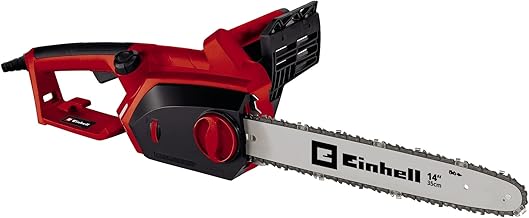


Choosing an Einhell cordless chainsaw is less about finding the biggest specification and more about matching the saw to the type, size and frequency of cutting you actually expect to undertake. The Einhell Power X-Change range includes compact 18V machines aimed at general garden cutting as well as more powerful 36V Twin-Pack models designed for substantially heavier work. When comparing models, look beyond the headline battery voltage. Guide-bar length, usable cutting length, chain speed, motor design, battery configuration, machine weight, chain pitch, oil-tank capacity and the availability of compatible batteries and replacement chains can all affect how suitable a chainsaw is for a particular job. A useful comparison should distinguish between specifications that look impressive on paper and specifications that make a genuine difference during everyday use. The 18V Power X-Change models are particularly interesting for household and garden users who already own compatible Einhell batteries or who want a comparatively compact cordless chainsaw. The GE-LC 18/25 Li-Solo, for example, has a 25cm guide bar, a 23cm cutting length, a 4.5m/s maximum chain speed and a 2.9kg product weight before a battery is fitted. It uses a brushed motor and accepts one 18V Power X-Change battery. This specification places it in a very different category from a larger 36V machine. It is better viewed as a practical garden saw for appropriate small and medium cutting tasks rather than as a substitute for professional forestry equipment. The kit versions are worth comparing separately because the apparent difference between a “Solo” product and a battery kit is not necessarily a difference in chainsaw hardware. The principal distinction can be whether the package includes a battery and charger. For example, Einhell lists versions supplied with either a 2.5Ah or 3.0Ah battery and charger, alongside Solo versions supplied without them. The GE-LC 18/25 Li-Solo combines a 25cm guide bar with a 23cm cutting length. It has a 1.1mm chain thickness, 40 drive links, a 3/8-inch chain pitch, automatic chain lubrication and tool-free chain tensioning. The official specification lists a 200ml oil tank and a maximum chain speed of 4.5m/s. That combination makes the model particularly relevant when portability and straightforward garden maintenance matter more than maximum cutting capacity. Its relatively compact format can be advantageous for users who need to process branches, small logs or manageable sections of timber without carrying a larger saw than necessary. The GE-LC 18/25 Li BL-Solo is a more technically advanced 18V alternative. Einhell specifies a brushless motor, a maximum chain speed of 6.5m/s and a 22.5cm cutting length. It also uses tool-free chain adjustment and replacement, automatic chain lubrication and a 150ml oil tank. The machine is supplied without a battery or charger in the Solo configuration. The higher chain speed and brushless motor make this model an important comparison point for buyers who want to remain within the 18V Power X-Change ecosystem but expect more demanding cutting performance than the basic 18V configuration offers. Brushless technology should not automatically be interpreted as meaning that every brushless chainsaw will cut faster in every situation. Timber diameter, species, moisture content, chain condition, battery charge and operator technique all affect the result. Its main buying advantage is the combination of motor efficiency, reduced brush wear and the potential for longer service life. The GP-LC 36/35 Li-Solo occupies a substantially different position within the range. It uses two 18V Power X-Change batteries to deliver 36V operation, has a brushless motor, a 35cm guide bar, a 33cm cutting length and a maximum chain speed of 15m/s. Einhell gives the machine a 4kg product weight before batteries are added. The two-battery arrangement is an important buying consideration. A 36V Twin-Pack machine is not simply a heavier version of an 18V chainsaw. It requires two compatible 18V batteries at the same time, so buyers who do not already own Power X-Change batteries need to consider the cost, charging arrangements and additional weight of the complete system. Einhell describes the GP-LC 36/35 Li-Solo as having performance comparable with a petrol chainsaw in the up-to-2.5hp class. That comparison is useful as an indication of the intended performance category, but it should not be interpreted as meaning that every cutting situation will produce identical results to a petrol machine. These figures show why the 36V model belongs in a different comparison category from the smaller 18V machines. The longer bar and considerably higher chain speed are relevant when cutting larger timber, while the brushless motor is intended to deliver sustained cordless performance without the brush wear associated with conventional brushed motors. One of the most common mistakes when comparing cordless chainsaws is treating amp-hour capacity as though it were a direct measure of cutting power. It is not. Voltage and battery capacity describe different aspects of the power system. A higher-capacity battery stores more energy, which can be valuable when carrying out repeated cuts away from a charger. The trade-off is additional battery weight. On a compact 18V chainsaw, a very large battery can alter the balance and make the tool feel less nimble than it would with a smaller pack. Einhell publishes indicative cutting figures for some of its chainsaws using different Power X-Change battery capacities. For the GE-LC 18/25 range, the manufacturer's figures show increasing numbers of cuts through 70 x 70mm square timber as battery capacity increases. These figures are manufacturer test information rather than a guarantee of the number of cuts every user will achieve in different timber and working conditions. For buyers already invested in Power X-Change, battery compatibility can therefore be one of the strongest reasons to choose an Einhell cordless chainsaw. The same battery platform can be used across compatible tools, allowing the cost and utility of existing batteries to influence the buying decision. The distinction between Solo and kit versions deserves attention when comparing prices. A Solo machine normally makes more sense for someone who already owns compatible batteries and a suitable charger. A kit can be more convenient for a new user because it provides the essential power components together. Guide-bar length is one of the most visible chainsaw specifications, but it should not be used in isolation. A 35cm bar does not mean that the saw should automatically be used to cut material 35cm in diameter. The manufacturer's stated cutting length and operating instructions should take precedence. Shorter bars can provide advantages in control and manoeuvrability. They can also make a compact chainsaw more comfortable for pruning and smaller garden tasks. Longer bars provide greater reach and cutting capacity, but they can increase the overall size and weight of the machine. For an occasional domestic user, buying a larger bar than necessary can therefore be counterproductive. If most work involves relatively small branches and logs, a compact 18V model may be more appropriate than selecting a 36V saw solely because its specification appears more powerful. The motor type is an important differentiator between some Einhell chainsaws. A brushed motor uses carbon brushes that are subject to wear, whereas a brushless design eliminates this particular wear component. Einhell's brushless chainsaw models are positioned around increased power, longer running time and extended motor life. The GE-LC 18/25 Li BL-Solo uses a brushless motor, while the standard GE-LC 18/25 Li uses a brushed motor. For occasional use, a brushed model can still be a sensible choice if its cutting capacity matches the work. For frequent use, buyers may reasonably place greater value on the efficiency and reduced motor wear associated with brushless technology. The important point is to avoid judging the entire chainsaw solely on motor type. A well-matched brushed saw can be more suitable for light work than an unnecessarily large brushless machine. Chain speed indicates how quickly the chain travels around the guide bar. Higher chain speed can improve cutting performance, particularly when combined with an appropriate motor and a sharp, correctly tensioned chain. The contrast within the Einhell range is substantial. The standard GE-LC 18/25 Li is specified at up to 4.5m/s, the GE-LC 18/25 Li BL reaches up to 6.5m/s, while the GP-LC 36/35 Li-Solo reaches up to 15m/s. However, chain speed should never be treated as a standalone performance ranking. A blunt chain can make a high-speed saw feel ineffective, while a properly maintained chain on a lower-powered machine can produce clean and efficient cuts within the tool's intended capacity. Replacement-chain compatibility is an easily overlooked part of buying a cordless chainsaw. Chain pitch describes the spacing of the chain components, while gauge relates to the thickness of the drive links that fit into the guide bar groove. The number of drive links is also relevant when selecting a replacement chain. For example, Einhell specifies the GE-LC 18/25 models with a 3/8-inch-class pitch and 1.1mm chain thickness, with 40 drive links. The GP-LC 36/35 Li-Solo is also specified with a 3/8-inch pitch and 1.1mm thickness but uses 52 drive links because of its longer guide bar. Do not assume that a chain will fit simply because it is described as a 3/8-inch chain. The pitch, gauge, number of drive links and compatibility with the particular guide bar all need to correspond. Automatic chain lubrication is standard on the Einhell chainsaws discussed here. The system supplies chain oil during operation to reduce friction and help prolong the working life of the chain and guide bar. Automatic lubrication does not mean the chainsaw is maintenance-free. The oil reservoir still needs to be monitored and filled with the appropriate chain oil. Running with inadequate lubrication can increase friction, heat and component wear. Oil-tank capacity also varies between models. The standard GE-LC 18/25 Li uses a 200ml tank, while the brushless GE-LC 18/25 Li BL-Solo uses a 150ml tank and the GP-LC 36/35 Li-Solo uses a 115ml tank. A chain that is too loose can create safety and performance problems, while excessive tension can increase friction and unnecessary stress on components. For this reason, convenient chain adjustment is more than a comfort feature. Einhell's relevant cordless chainsaws use tool-free chain tensioning, allowing the operator to adjust the chain without carrying a separate spanner or specialist adjustment tool. The manufacturer's specifications also describe tool-free replacement on the brushless 18V model and the 36V model. Users should always follow the individual model's manual for the correct procedure and tension. A chainsaw should not be operated simply because the chain appears visually acceptable. Chainsaws are high-risk cutting machines. Safety features should therefore be treated as essential equipment rather than optional extras. Einhell lists kickback protection, an instant mechanical chain brake, hand protection and a chain catcher among the safety features of its cordless chainsaw designs. These systems are important, but they do not make a chainsaw safe for untrained use. HSE guidance states that chainsaw users need adequate training and appropriate PPE, and work involving chainsaws in trees requires the relevant competence for the task. Einhell cordless chainsaws can be particularly attractive to gardeners, homeowners, landowners and DIY users who value cordless operation and, where applicable, compatibility with the Power X-Change battery system. They can be useful for tasks such as processing suitable fallen branches, cutting manageable firewood, dealing with garden timber and carrying out other ground-based cutting jobs that fall within the machine's rated capability. They should not be selected simply because a particular model has enough power to cut larger timber. The correct saw is determined by the whole job, including the size and condition of the timber, access, working position, surrounding hazards and the operator's training. There are situations where buying a more powerful chainsaw is not the correct solution. If the job involves climbing a tree, working from a rope and harness, cutting at height, handling windblown trees, felling a hazardous tree or working close to overhead services, the issue is competence and work planning rather than simply equipment specification. HSE advises that chainsaw work in trees should be undertaken by trained and competent people, and specialist contractors should be used for work involving tree climbing or work at height. HSE also states that chainsaws should not be used from ladders. For a domestic customer faced with substantial tree work, hiring a suitably competent arboricultural contractor can be a much safer option than purchasing a larger saw and attempting unfamiliar work. Safety requirements depend on the circumstances in which the chainsaw is being used. HSE guidance makes a clear distinction between ordinary equipment ownership and competent chainsaw operation at work. For professional forestry and arboricultural activities, HSE guidance refers to appropriate training and recognised competence for the specific work being undertaken. Work involving chainsaws in or on trees requires a higher level of competence than simply owning a chainsaw for occasional domestic cutting. Users should also consider PPE appropriate to the task, including suitable chainsaw protective clothing, eye and hearing protection, gloves and appropriate footwear. HSE emphasises that chainsaws should not be used without the correct PPE because the risk of injury cannot otherwise be adequately controlled. Buying a chainsaw does not automatically give a property owner unrestricted permission to fell trees. In England, a felling licence may be required for cutting down growing trees, subject to exemptions and the particular circumstances of the site. The Forestry Commission's current guidance should be checked before planned tree felling. There can also be additional considerations involving protected trees, conservation areas, planning restrictions, public access, neighbouring property and overhead services. These issues are separate from the technical specification of the chainsaw and should be investigated before work begins. A chainsaw should normally produce wood chips when cutting correctly. A chain that produces excessive fine dust, requires unusual pressure, cuts slowly, produces an uneven cut or generates excessive heat may need attention. Do not compensate for a blunt chain by pushing harder. A properly maintained chain improves cutting efficiency and makes it easier to control the machine. Sharpening also needs to preserve the correct cutter geometry, depth-gauge relationship and chain specifications. If you are unfamiliar with chainsaw sharpening, professional servicing or appropriate training may be preferable to experimenting with the chain angle or depth settings. More power is useful only when the job requires it. A larger saw can be heavier, less convenient for small branches and more demanding to handle. Match the cutting capacity to the work rather than buying based solely on maximum specifications. A Solo chainsaw can look attractive when compared with a complete kit, but the comparison changes if you need to purchase batteries and a charger separately. With a 36V Twin-Pack machine, remember that two 18V batteries are required. A 5.2Ah battery is not automatically “more powerful” than a lower-capacity battery in every sense. Capacity affects available energy and operating duration, while the tool's voltage and motor system determine the electrical platform. Manufacturer-listed tool weight may exclude the battery. Always consider the complete working weight when comparing cordless chainsaws, particularly if you expect to carry the machine around a large garden or use it for repeated cuts. Guide-bar length is only one specification. Follow the manufacturer's instructions and intended application rather than treating the physical bar length as a guaranteed cutting diameter. Pitch alone is not enough. Check pitch, gauge, drive-link count and the exact chainsaw or guide-bar specification before buying a replacement chain. Automatic lubrication still depends on having sufficient chain oil in the reservoir. Regularly check the oil level and follow the manufacturer's maintenance guidance. Cordless operation eliminates petrol mixing, exhaust emissions at the point of use and many engine-related maintenance tasks, but chains, guide bars, oil systems, batteries and safety components still require appropriate care. Einhell is not the only manufacturer worth considering when shopping for a cordless chainsaw in the UK. Depending on the buyer's existing tools and priorities, alternatives may include brands such as STIHL, Husqvarna, Makita, DeWalt, Bosch and Ryobi. The most useful comparison is not simply brand against brand. Compare the exact machines on guide-bar length, cutting length, battery platform, battery cost, motor type, chain speed, machine weight, replacement-chain availability, safety features, service arrangements and the manufacturer's intended application. For someone who already owns several compatible cordless garden tools, battery-platform compatibility can outweigh relatively small differences in chainsaw specification. Conversely, a buyer starting from scratch should compare the cost and breadth of the entire battery ecosystem rather than focusing on the chainsaw body alone. Cordless chainsaws and petrol chainsaws have different strengths. Battery-powered models avoid fuel storage and engine exhaust at the point of use and are generally simpler to start. They can also be appealing for garden users who want a quieter and more straightforward cutting system. Petrol machines remain relevant for users who require sustained heavy-duty operation and are equipped and trained to use them. A cordless chainsaw should therefore be selected according to the scale of the work rather than on the assumption that battery technology makes petrol equipment obsolete for every application. A corded electric chainsaw can be attractive where mains power is readily available and the work area is controlled. The obvious limitation is the cable, which can restrict movement and introduce additional considerations around safe cable management. A cordless Einhell chainsaw removes that mains connection and can be much more convenient for work away from a building. The trade-off is dependence on battery capacity and charging. Price comparison is most useful when the products being compared are genuinely equivalent. A Solo chainsaw and a kit containing a battery and charger should not be treated as identical purchases. Similarly, two machines from the same battery family can target very different applications. A lower-priced compact saw may represent better value for occasional pruning and small timber, while a more expensive brushless or 36V model may be more economical for frequent, demanding cutting if its additional performance is actually used. When checking retailer prices, compare the complete package, delivery costs where applicable, battery capacity, included accessories and exact model number. Retail prices can change, so a buying guide should not treat a historical price as a permanent benchmark. Customer ratings can help identify recurring concerns, but they should not replace specification checking. A reviewer cutting small branches in a domestic garden has a very different use case from someone processing larger timber regularly. Look for patterns rather than isolated comments. Useful review signals include repeated comments about battery compatibility, chain adjustment, balance, ease of starting, cutting performance, battery duration, replacement parts and long-term reliability. Then cross-check those observations against the manufacturer's specification and instructions. Not every feature deserves the same weight in a purchasing decision. For many buyers, tool-free chain adjustment, automatic lubrication, a well-designed safety system and compatibility with an existing battery platform can provide more practical value than a small increase in headline chain speed. For frequent users, a brushless motor and higher-capacity battery system may justify moving up the range. For occasional users, keeping the machine compact and affordable may be the better priority. Battery-powered chainsaws need sensible storage just like petrol machines. Keep the saw clean and protected from unnecessary moisture, fit the guide-bar cover where supplied and store batteries according to Einhell's instructions. Avoid storing batteries in conditions outside the manufacturer's recommended temperature range. Before long periods of storage, follow the charging and storage guidance supplied for the particular Power X-Change battery. It is also sensible to inspect the chainsaw before putting it away rather than discovering damage immediately before the next job. A small issue with the chain, guide bar or safety mechanism should be addressed before the machine is returned to service. There is no single best Einhell cordless chainsaw for every buyer. The most suitable model depends on the required cutting capacity, battery platform, frequency of use, desired weight and whether you need an 18V or 36V system. It can be suitable for appropriate, manageable firewood cutting within the model's rated capability. The diameter and type of timber should be considered before selecting the saw. Larger or more demanding timber may justify comparing the 36V Twin-Pack range. The brushless model has a higher specified maximum chain speed and brushless motor, so it is the more performance-oriented option within the 18V comparison. Whether it is better value depends on how frequently and how heavily you intend to use the chainsaw. No. The GP-LC 36/35 Li-Solo uses two 18V Power X-Change batteries together to provide 36V Twin-Pack operation. Einhell specifies a 33cm cutting length with a 35cm guide bar. The standard GE-LC 18/25 Li has a 23cm cutting length and a 25cm guide bar. Yes. The relevant models in this comparison use automatic chain lubrication, although oil levels still need to be checked and maintained. Oil-tank capacity differs between models. Yes. Tool-free chain tensioning is specified on the GE-LC 18/25 range and GP-LC 36/35 Li-Solo. Always follow the instructions for the exact model when adjusting the chain. Generally, a Solo configuration is supplied without a battery and charger. However, buyers should check the exact product listing because kit and Solo versions can have very similar model names. The answer depends on what “cutting trees” means. Suitable ground-based work within the machine's intended application is different from felling, climbing or aerial tree work. HSE guidance stresses the need for appropriate training and competence for chainsaw work in trees and recommends specialist contractors for work involving climbing or working at height. HSE guidance states that chainsaws should not be used while working from a ladder because safe chainsaw operation requires both hands. Choose a battery based on the machine's requirements, expected workload and desired balance between runtime and weight. If you already own compatible Power X-Change batteries, using an appropriate existing battery can be more economical than buying another pack solely for the chainsaw. No. A longer bar can increase cutting capacity but can also add size and weight. For small garden work, a shorter bar can be easier to control and more appropriate. There is no universal time interval because sharpening depends on the amount and type of cutting, timber contamination and contact with foreign material. Sharpen the chain when its cutting performance deteriorates and follow the correct sharpening procedure for the chain specification. For many domestic buyers, the most sensible starting point is to decide whether an 18V or 36V machine is genuinely required. The compact 18V models are easier to justify when the work consists mainly of manageable branches and smaller timber. Within that category, the standard GE-LC 18/25 Li and brushless GE-LC 18/25 Li BL-Solo provide different performance and motor configurations. The GP-LC 36/35 Li-Solo becomes more relevant when a longer bar, higher chain speed and substantially greater cutting capability are justified. Its requirement for two 18V batteries is a key part of the ownership equation and should be considered alongside the chainsaw's headline specification. Ultimately, the strongest buying decision is the one that matches the chainsaw to the actual job. Consider the timber you expect to cut, how often you will use the machine, whether you already own compatible batteries, how much weight you are comfortable handling and whether the work falls within your training and competence. A well-matched compact chainsaw can be a better purchase than an unnecessarily large model, while heavier cutting demands may justify moving up to a more powerful system.Einhell Cordless Chainsaws: What to Look For Before Buying
Einhell Cordless Chainsaw Comparison: The Specifications That Matter
18V Einhell Cordless Chainsaws: Who Are They Best For?
GE-LC 18/25 Li-Solo: What the Specification Tells You
GE-LC 18/25 Li Brushless: Why the Motor Difference Matters
36V Einhell Cordless Chainsaws: When More Power Makes Sense
GP-LC 36/35 Li-Solo: Key Technical Considerations
Battery Capacity: Is a Larger Ah Battery Always Better?
Solo or Kit: Which Einhell Chainsaw Package Should You Choose?
Guide-Bar Length vs Cutting Capacity
Brushless vs Brushed Einhell Chainsaw Motors
Chain Speed: Why the Number Matters
Chain Pitch, Gauge and Drive Links Explained
Automatic Chain Lubrication: A Small Feature With a Big Maintenance Role
Tool-Free Chain Tensioning: Why It Matters
Safety Features to Compare on an Einhell Chainsaw
Who Should Buy an Einhell Cordless Chainsaw?
When a Cordless Chainsaw Is the Wrong Tool
UK Chainsaw Safety and Competence
Tree Felling and UK Legal Considerations
Maintenance Checklist for an Einhell Cordless Chainsaw
How to Tell When a Chainsaw Chain Needs Sharpening
Common Einhell Cordless Chainsaw Buying Mistakes
Choosing the Largest Model Simply Because It Has More Power
Forgetting the Cost of Batteries
Comparing Ah Instead of the Complete Power System
Ignoring Weight With the Battery Installed
Assuming Bar Length Equals Maximum Safe Cutting Diameter
Buying Replacement Chains Without Checking the Full Specification
Neglecting the Oil System
Assuming Cordless Means Maintenance-Free
Einhell vs Other Cordless Chainsaw Brands
Einhell vs Petrol Chainsaws
Einhell vs Corded Electric Chainsaws
How to Choose the Right Einhell Chainsaw for Your Job
What to Check Before Buying an Einhell Cordless Chainsaw
How to Compare Prices Properly
What Matters More Than Customer Ratings?
Einhell Cordless Chainsaw Features Worth Paying For
Feature Priorities by User Type
Storage and Battery Care
Frequently Asked Questions About Einhell Cordless Chainsaws
Which Einhell cordless chainsaw is best?
Is an Einhell 18V chainsaw powerful enough for firewood?
Is the Einhell brushless chainsaw better than the standard 18V model?
Does the Einhell GP-LC 36/35 Li use one battery?
What is the cutting length of the GP-LC 36/35 Li?
What is the cutting length of the GE-LC 18/25 Li?
Do Einhell cordless chainsaws have automatic chain lubrication?
Can the chain be tensioned without tools?
Are Einhell Solo chainsaws supplied with a battery?
Are Einhell cordless chainsaws suitable for cutting trees?
Can I use an Einhell cordless chainsaw from a ladder?
What battery size should I buy for an Einhell chainsaw?
Is a longer chainsaw bar always better?
How often should a chainsaw chain be sharpened?
Editorial Buying Verdict: How to Narrow Down the Einhell Range
Final Einhell Cordless Chainsaw Buying Checklist