

Our experts reviewed the latest {category_name } to help you compare quality, performance, durability and overall value before making your purchase.


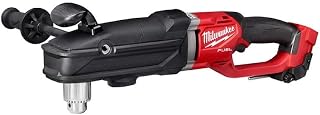


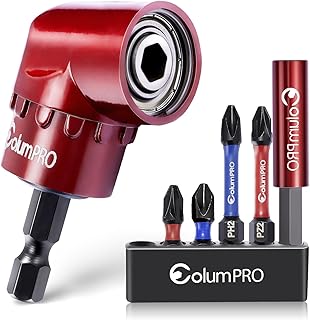


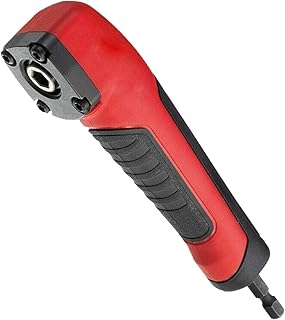


Choosing a Milwaukee angle drill is less about finding the highest specification and more about matching the drill's format, power class, chuck, speed range and physical size to the work you actually carry out. A compact right-angle drill can be a better choice for installation work in restricted spaces, while a larger M18 FUEL machine is more appropriate when repeated drilling through substantial timber is the priority. Before comparing individual models, identify the jobs the tool will perform most often. Consider the materials you drill, the typical hole diameter, the type of drill bits used, how frequently the tool is operated overhead or at awkward angles, and whether you already own compatible Milwaukee batteries. These factors can make a greater practical difference than a headline torque figure. Voltage is useful as a broad indication of a cordless tool's power class, but it should not be treated as a simple ranking system. An 18V right-angle drill designed for heavy timber drilling is intended for a different role from a compact 12V or 18V installation-oriented machine. The Milwaukee M18 FUEL Right Angle Drill is designed around demanding wood-drilling applications where a conventional drill may be difficult to position. Current UK retail specifications for the M18 CRAD2-0X identify an 18V brushless machine with a 13mm keyed chuck, a no-load speed of up to 1,500rpm, a maximum torque figure of 30Nm, and stated drilling capacities that vary by accessory and material. The specification includes up to 12.7mm drilling in steel, 26mm with an auger bit in wood, 102mm with a hole saw and 65mm with a self-feed bit. Those figures should be interpreted as application limits rather than a recommendation to use every accessory at its maximum stated diameter. Actual drilling performance depends on the bit, timber, moisture content, technique, battery condition and the amount of material being removed. A 13mm keyed chuck is particularly relevant for tradespeople using conventional round-shank drilling accessories. The keyed design allows the bit to be tightened securely, which can be useful when drilling applications place substantial load on the chuck. The trade-off is convenience. A keyed chuck requires the chuck key rather than the faster one-handed bit changes associated with some keyless systems. For a professional who repeatedly changes accessories, that distinction can affect workflow; for heavy drilling where secure bit retention matters, it may be less significant. The M18 CRAD2-0X is listed with a no-load speed of 0–1,500rpm and maximum torque of 30Nm. A high maximum speed is useful for appropriate drilling operations, but speed alone does not determine whether a drill is suitable for a particular bit. Large-diameter wood accessories generally require more controlled operation than small drill bits. The correct speed should therefore be determined by the accessory manufacturer's instructions and the material being drilled rather than by simply running the drill at maximum speed. Milwaukee's FUEL range combines a POWERSTATE brushless motor with REDLINK PLUS electronic control and REDLITHIUM battery technology. In practical terms, the important consideration is that the complete system is designed to manage power delivery, battery use and protection rather than treating the motor as an isolated specification. For buyers comparing a standard brushed angle drill with a FUEL model, the decision should therefore include expected workload. A professional using the tool frequently may place greater value on the brushless FUEL platform and its associated electronics than someone who only occasionally needs a right-angle drill. The M18 FUEL SUPER HAWG occupies a more specialised position within Milwaukee's right-angle drilling range. It is intended for heavy-duty drilling where substantial holes and demanding timber applications are part of the job. Milwaukee's product information describes the SUPER HAWG as having an all-metal 1/2-inch keyed chuck, a side handle, a mechanical clutch in low speed and electronic protection through REDLINK PLUS. UK listings for the M18 FUEL SUPER HAWG FRAD2-0 Gen II also describe a two-speed format and heavy-duty wood-drilling capability, including applications involving large auger sizes. A larger right-angle drill can deliver the capacity required for structural timber and service work, but additional capability comes with additional physical demands. If most jobs involve small holes in cabinets, service voids or light installation work, a large heavy-duty angle drill may be unnecessary. The correct buying decision therefore depends on workload frequency. A tool that is ideal for repeated large-hole drilling may be inefficient to carry for jobs where compactness and control matter more. There are four practical characteristics to compare when deciding between a compact Milwaukee angle drill and a larger M18 FUEL model: overall size, battery weight, drilling capacity and sustained workload. Maximum drilling diameter is one of the easiest specifications to misunderstand. Manufacturers and retailers commonly list separate capacities for steel, auger bits, self-feed bits and hole saws because these accessories impose very different loads. A drill rated for a large hole saw is not necessarily intended to drill the same diameter using an auger bit. Always match the stated diameter to the specific accessory category. Chuck capacity determines which shank sizes the tool can accept. A 13mm chuck offers broad compatibility with conventional drilling accessories, but the chuck's maximum capacity should not be confused with the maximum diameter the drill can safely or effectively produce in every material. No-load rpm tells you how quickly the chuck can rotate without a drilling load. It is useful when comparing tools, but drilling performance under load is more meaningful for demanding applications. A drill that maintains useful speed when the accessory encounters resistance can be more valuable than one with an impressive unloaded figure. Torque provides an indication of the turning force available from the tool, but torque figures should not be used in isolation to predict real-world drilling speed. Gear reduction, motor characteristics, electronic control, battery output, accessory design and the material being drilled all affect performance. Weight matters disproportionately with right-angle drills because the tool is often used in positions where the user's arms are extended or where access makes the body of the machine difficult to support. When comparing two models, consider the complete working weight with the battery installed rather than relying solely on a bare-tool specification. Milwaukee M18 angle drills are part of the M18 battery system, allowing users with compatible M18 batteries to choose between battery capacities according to the application. The largest battery is not necessarily the best battery for every job. Retail listings for the M18 CRAD2-0X commonly identify the tool as a body-only product, meaning batteries are not included. Always check the exact package contents before comparing kit prices with bare-tool prices. A conventional drill driver remains the more versatile option for many general-purpose tasks because its straight configuration is familiar and usually easier to control in open working areas. A right-angle drill earns its place when the geometry of the job makes a conventional drill awkward. These tools are not interchangeable. An impact driver is primarily designed around impact-assisted fastening, while a right-angle drill is designed around controlled rotary drilling. For drilling substantial timber holes, a purpose-built angle drill is normally the more appropriate category. For driving compatible screws and fixings in accessible positions, an impact driver may be more convenient. Trying to make one tool cover both roles can result in unnecessary compromises. An SDS drill is intended for applications involving masonry, concrete and compatible SDS accessories. A Milwaukee right-angle drill is a fundamentally different tool category and should not be selected simply because it offers high torque. If your work involves drilling concrete or masonry, compare the appropriate SDS platform rather than assuming that a high-powered angle drill can replace it. For carpentry, joinery, first-fix work and timber framing, the most useful characteristics are often accessibility, drilling capacity, controllability and battery endurance. The drill is only one part of the drilling system. A suitable Milwaukee angle drill can still produce poor results when paired with an unsuitable, blunt or damaged accessory. Wood is the primary application associated with many heavy-duty right-angle drills. Auger bits, self-feed bits and hole saws can all be useful, but they place different demands on the machine. Select the accessory according to the required hole diameter, finish and drilling speed. When drilling steel, pay particular attention to the manufacturer's recommended accessory, speed and cutting fluid requirements. The maximum steel capacity stated for a tool is not an instruction to repeatedly drill at that diameter without considering material thickness and accessory condition. For plastics and composite materials, heat management and accessory choice can be more important than raw power. Use an accessory appropriate for the material and avoid excessive pressure that can cause melting, grabbing or poor hole quality. More capacity is useful only when the application requires it. A larger drill can add unnecessary weight when the majority of jobs involve small holes and restricted access. Torque is important, but it is only one part of the performance picture. Compare speed range, chuck, drilling capacities, weight, battery compatibility, physical dimensions and intended applications together. A body-only drill may look inexpensive until the cost of a compatible battery and charger is included. Conversely, buying a complete kit can be poor value for someone who already owns several compatible batteries. A larger Ah rating increases battery capacity, but it also affects the complete tool's weight and balance. For repetitive work in awkward positions, the lightest suitable battery may be preferable. M18 identifies the battery platform rather than a single level of drilling performance. Different M18 models can have substantially different motors, gearing, capacities, dimensions and intended applications. Maximum published capacity should be treated as a specification boundary, not necessarily as the ideal everyday drilling size. For demanding production work, the most efficient accessory size may be considerably smaller. A useful comparison should be based on the following criteria rather than star ratings alone: These models occupy different points within the right-angle drilling category. The M18 CRAD2-0X is a substantial M18 FUEL right-angle drill with a 13mm keyed chuck, 0–1,500rpm no-load speed and 30Nm maximum torque according to current UK retailer specifications. The SUPER HAWG is positioned towards more demanding large-hole drilling and includes features such as a side handle and mechanical clutch in low speed. Before committing to a particular Milwaukee angle drill, verify the exact manufacturer identification number and package description. Retail listings can use shortened product names, and similar-looking tools may belong to different generations or specifications. Correct maintenance can help preserve drilling performance and reduce avoidable wear. Always follow the manufacturer's instructions for the exact model, particularly for servicing, lubrication and replacement parts. Dust and debris can accumulate around the housing and ventilation areas during woodworking and construction. Remove loose debris appropriately and avoid allowing material to build up around cooling openings. Check the chuck regularly for damage, contamination or abnormal movement. A drill bit should be properly seated and tightened before use. If the chuck develops unusual play or damage, investigate the cause rather than continuing to operate the tool under heavy load. Store batteries according to Milwaukee's instructions and inspect them for visible damage. Avoid using a battery that appears damaged, overheated or otherwise abnormal. Battery performance can also vary with temperature and age. A dull accessory increases resistance and can make the drill work harder than necessary. Replace or sharpen accessories as appropriate for the accessory type rather than compensating for a poor cutting edge with excessive pressure. Right-angle drills can generate substantial reaction forces, particularly when large accessories catch or bind. This makes control and correct body positioning important. Customer reviews can be useful, but they become much more valuable when filtered for relevance. A reviewer using a right-angle drill for occasional DIY work may judge weight and convenience very differently from a carpenter drilling dozens of timber holes during a working day. Look for reviews that identify the application, accessory type, material and workload. Pay particular attention to recurring comments about ergonomics, chuck performance, battery endurance, control and access rather than treating an overall star score as a complete technical assessment. Where a retailer publishes verified-purchase information, consider that context when assessing review quality. Also distinguish comments about the product itself from comments about delivery, packaging or retailer service, as those do not necessarily indicate how the drill performs. DIY buyers rarely need to select a right-angle drill solely on maximum drilling capacity. If the tool will be used for occasional household projects, the most sensible option may be a model that is compact, easy to control and compatible with batteries already owned. For occasional use, avoid paying for specialist capacity that will rarely be used. Instead, consider the largest hole you genuinely expect to drill, the materials involved and whether restricted access is a recurring problem. Professional users should place greater emphasis on repeatability, durability, ergonomics and compatibility with the rest of their cordless tool system. A drill that saves time on every framing or installation job can justify a higher initial outlay more readily than a tool used only a few times each month. Battery logistics are also important. If several Milwaukee M18 tools are already used on site, sharing batteries can reduce the need to maintain another charging system. If the angle drill is expected to perform high-load work continuously, however, battery capacity and output should be considered alongside tool weight. The best choice for tight spaces is not necessarily the drill with the greatest torque. Physical dimensions, head geometry, handle arrangement and battery size all affect whether the operator can position the tool correctly. When comparing compact models, examine the complete shape of the tool rather than focusing solely on published length. The position of the chuck, gearbox and battery can determine whether the drill actually fits into the gap where it is required. For large timber holes, prioritise a model specifically designed for high-capacity wood drilling. The M18 FUEL SUPER HAWG is the specialist option in Milwaukee's range for this type of demanding application, with Milwaukee describing it as a heavy-duty right-angle drill with a mechanical clutch in low speed and capacity for large holes. However, the correct choice still depends on the accessory diameters used most often. If your normal drilling pattern involves medium-sized holes, a less specialised M18 FUEL right-angle drill may provide a more practical balance. It can be, particularly when drilling regularly takes place between joists, studs, framing members or other restricted areas. The value comes from solving an access problem that a conventional drill handles less conveniently. Neither platform is universally better. M18 is generally the more appropriate starting point for heavier drilling requirements, while a compact lower-voltage solution can make more sense where size and weight are the priorities. A brushless motor is part of Milwaukee's FUEL system and is intended to deliver efficient, controlled power with electronic management. For frequent professional use, the overall FUEL system can be a more important consideration than motor type alone. Not necessarily. Many M18 right-angle drill listings are sold as body-only products. The exact package must be checked before purchase because batteries, chargers and cases can differ between versions and kits. A 13mm chuck is useful for users who require compatibility with a broad selection of conventional drilling accessories. The ideal chuck depends on the accessories and applications rather than the chuck size alone. Some Milwaukee right-angle drill models have published steel-drilling capacities. For example, the M18 CRAD2-0X is listed with a maximum steel-drilling capacity of 12.7mm. Always follow the exact model's specifications and the accessory manufacturer's recommendations. It can cover some of the same drilling tasks, but it is not automatically a complete replacement. A conventional drill driver is generally more versatile for open-access drilling and fastening, while an angle drill is specialised for access and drilling geometry. It can perform the work, but its specialist heavy-duty design may be unnecessary for occasional small-hole drilling. DIY buyers should compare the tool's size, weight and capacity with the jobs they actually expect to undertake. Battery capacity affects how long the tool can operate between charges, but a higher Ah battery also adds weight. Choose the capacity that balances runtime and handling for your workload. Compare drilling capacity by accessory type, speed range, chuck, weight, dimensions, battery compatibility, ergonomics, package contents and intended application. These specifications provide a much more useful picture of suitability than torque alone. An informed comparison should separate measurable specifications from subjective ownership considerations. Maximum drilling diameter, chuck size, speed, torque and battery platform can be compared directly, while ergonomics, balance and convenience require consideration of the intended working environment. Product information can also change between generations, kits and regional listings. For that reason, model numbers and current manufacturer specifications should take precedence over generic descriptions. Retailer stock status and prices can change independently of the underlying tool specification, so buyers should verify those details at the time of purchase. The strongest buying decision is therefore the one that matches the tool to the actual workload: compactness for restricted installation work, balanced M18 performance for demanding general timber drilling, or a dedicated SUPER HAWG-class machine when very large holes and sustained heavy drilling are central to the job.How to Choose the Right Milwaukee Angle Drill for Your Work
Start With the Application Rather Than the Voltage
Milwaukee M18 FUEL Right-Angle Drill: What the Specifications Mean
13mm Keyed Chuck
Speed and Torque
Brushless Motor Technology
Milwaukee M18 FUEL SUPER HAWG: When More Capacity Makes Sense
Why a SUPER HAWG Is Not Automatically the Best Choice
Compact Versus Heavy-Duty Milwaukee Angle Drills
What to Look for in Milwaukee Angle Drill Specifications
Maximum Drilling Capacity
Chuck Capacity
No-Load Speed
Torque
Weight
Battery Choice: Why Ah Capacity Matters
Right-Angle Drill Versus a Conventional Drill Driver
Right-Angle Drill Versus an Impact Driver
Right-Angle Drill Versus an SDS Drill
Best Milwaukee Angle Drill Features for Joinery and Timber Framing
Material Compatibility and Accessory Selection
Wood
Steel
Plastic and Other Materials
Common Milwaukee Angle Drill Buying Mistakes
Buying the Largest Model Available
Comparing Only Maximum Torque
Ignoring Bare-Tool Versus Kit Pricing
Choosing a Battery Solely on Amp-Hours
Assuming Every M18 Tool Has the Same Performance
Using the Maximum Accessory Diameter as a Normal Working Size
How to Compare Milwaukee Angle Drills Before Buying
Milwaukee M18 CRAD2-0X Versus M18 FUEL SUPER HAWG
What Professional Buyers Should Check Before Ordering
Maintenance and Care for a Milwaukee Angle Drill
Keep the Tool and Vents Clean
Inspect the Chuck
Look After Batteries
Use Sharp, Appropriate Accessories
Safety Considerations When Using High-Torque Angle Drills
How to Read Customer Reviews More Effectively
Buying Guide for DIY Users
Buying Guide for Professional Tradespeople
Best Milwaukee Angle Drill for Tight Spaces
Best Milwaukee Angle Drill for Large Timber Holes
Frequently Asked Questions About Milwaukee Angle Drills
Is a Milwaukee right-angle drill worth buying?
Is Milwaukee M18 better than M12 for an angle drill?
What is the advantage of a brushless Milwaukee angle drill?
Does a Milwaukee M18 angle drill include a battery?
What chuck size should I look for?
Can a Milwaukee right-angle drill drill metal?
Can a right-angle drill replace a normal drill?
Is the M18 FUEL SUPER HAWG suitable for occasional DIY work?
How important is battery capacity?
What should I compare besides torque?
Final Milwaukee Angle Drill Buying Checklist
Our Approach to Comparing Milwaukee Angle Drills