
Our experts reviewed the latest {category_name } to help you compare quality, performance, durability and overall value before making your purchase.


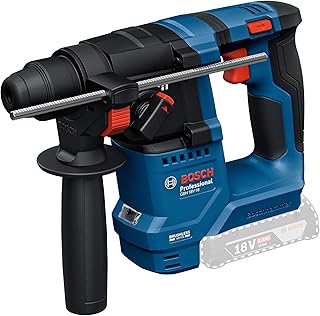


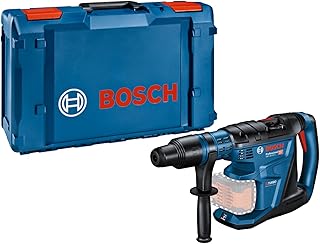
Choosing between Bosch cordless SDS hammer drills is less about finding the drill with the highest headline power figure and more about matching the tool to the type, frequency and scale of work you actually carry out. A compact SDS-plus machine can be the better choice for electricians, installers and general tradespeople who regularly drill fixing holes in masonry, while a higher-performance model is more appropriate for repeated drilling, heavier chiselling and demanding construction work. Bosch Professional cordless SDS hammer drills are particularly useful where portability matters. Removing the mains cable makes it easier to work on unfinished buildings, outside areas, awkward access points and locations where a convenient socket is unavailable. The trade-off is that battery capacity, charging arrangements, tool weight and sustained performance become part of the buying decision. Before choosing a model, consider five fundamental questions: The first specification to check is the chuck and accessory system. SDS-plus and SDS-max are not interchangeable systems, and choosing the wrong one can make an otherwise suitable drill inappropriate for the intended application. SDS-plus is the more common choice for general-purpose cordless rotary hammers. It is well suited to drilling fixing holes in brickwork, blockwork, concrete and other masonry, as well as lighter chiselling applications. Typical users include electricians, plumbers, heating engineers, kitchen fitters, installers, builders and maintenance professionals. For many domestic renovation and trade applications, an SDS-plus cordless rotary hammer offers a useful balance between drilling capability, size and portability. It can also be considerably more practical than using a conventional combi drill when repeated masonry drilling is involved. SDS-max is intended for substantially heavier-duty work. The larger accessory system is designed for demanding drilling and chiselling applications, including larger holes and intensive demolition work. SDS-max machines are generally larger and heavier, so they should not automatically be considered an upgrade for everyday fixing work. If most of your work involves plugs, anchors, conduit routes and ordinary masonry fixings, an SDS-plus model is usually the more logical category. If substantial chiselling and large-diameter drilling form a significant part of the workload, SDS-max may be worth considering instead. Impact energy is one of the most useful specifications when comparing rotary hammers. It indicates the energy delivered by the hammer mechanism and provides a better indication of chiselling and drilling capability than simply looking at motor voltage. A higher impact-energy rating can be beneficial when drilling harder concrete or carrying out more substantial chiselling. However, more impact energy normally comes with additional tool size and weight. Buying the most powerful machine available is therefore not necessarily the best decision for users who spend long periods drilling small fixing holes. No-load speed describes how quickly the tool rotates when it is running without a load. It can be useful when comparing machines, but it should not be considered in isolation. Rotary hammers are designed around the interaction between rotational speed, hammer action, accessory type and the material being drilled. For masonry work, impact performance and the suitability of the accessory are often more important than choosing the machine with the highest stated rotational speed. The hammer rate describes how frequently the mechanism strikes. A high hammer rate can contribute to efficient drilling, but the relationship between hammer rate, impact energy and drilling performance is more important than any single figure. When comparing Bosch models, look at the complete specification rather than ranking machines according to one number. A balanced combination of impact energy, hammer rate and motor performance can be more useful than an impressive figure that does not match your application. Maximum drilling capacities should be treated as application limits rather than recommended everyday operating sizes. A manufacturer's maximum figure does not mean that drilling at that diameter is the most efficient way to use the machine throughout the day. Think about the diameters you actually use. A tradesperson repeatedly drilling small anchor holes may benefit more from a compact, responsive machine than from a larger rotary hammer designed to accommodate much bigger accessories. Some cordless SDS machines are primarily aimed at drilling, whereas others provide more comprehensive rotary-hammer and chiselling functionality. If you need to remove tiles, chase masonry, break out mortar or carry out light demolition, check that the model offers the appropriate operating modes. A dedicated hammer-only or chiselling mode can make a significant practical difference. The ability to rotate and position a chisel can also be useful when working on walls, floors and awkward surfaces. Brushless motor technology is an important consideration when comparing modern cordless power tools. Brushless systems eliminate conventional motor brushes and can provide benefits in efficiency, durability and electronic control. Bosch Professional's cordless range includes advanced electronic and motor technologies designed to work with its battery ecosystem. Higher-performance machines may also incorporate systems intended to manage demanding loads and deliver stronger cordless performance. However, motor technology should not be considered separately from the rest of the tool. A well-designed compact machine may be a better purchase for light-duty users than a more powerful brushless model that adds unnecessary weight and cost. Battery compatibility is one of the most important considerations when buying a cordless SDS hammer drill. If you already own Bosch Professional 18V batteries and chargers, staying within the same compatible platform can reduce the need to purchase an entirely new battery setup. Do not assume that every Bosch cordless product uses exactly the same battery arrangement simply because it carries an 18V designation. Check the specific product documentation and compatibility information before purchasing. Many cordless power tools are available either as a bare tool or as a kit containing batteries and a charger. The correct option depends largely on what you already own. When comparing prices, make sure you are comparing like-for-like packages. A seemingly cheaper cordless drill may be supplied without batteries, while a more expensive listing may include one or more batteries and a charger. Battery capacity is normally expressed in ampere-hours, but capacity alone does not determine the working time of an SDS hammer drill. Actual runtime depends on the material, drilling diameter, drilling depth, hammer use, accessory condition, battery condition and the workload placed on the motor. For intensive professional use, it can be more useful to consider a battery strategy rather than simply choosing the largest battery available. A larger battery may provide longer runtime but can increase the overall weight of the tool. For overhead work and prolonged drilling, the balance between battery capacity and tool weight becomes particularly important. For demanding floor-level work, additional battery mass may be less noticeable. Weight is easy to overlook when comparing specifications, especially when a heavier machine appears to offer better performance. In real use, however, every additional kilogram can become significant when drilling overhead, working from ladders or carrying out repetitive installations. Consider the complete working weight rather than the advertised tool weight alone. Once a battery and SDS accessory are fitted, the tool can feel substantially different from the bare machine. A comfortable primary handle helps maintain control during drilling, while a properly positioned auxiliary handle can make a noticeable difference during harder applications. Look for an arrangement that allows the tool to be controlled without forcing the wrist into an uncomfortable position. Rotary hammers generate mechanical impact, so vibration is an important buying consideration. Where a model incorporates a vibration-reduction system, this can be particularly relevant for users who operate the tool frequently. Vibration performance should be considered alongside workload, breaks, operating technique and the manufacturer's safety guidance. A machine that is comfortable for occasional drilling may not be equally suitable for prolonged professional use. Good balance can make a drill feel easier to control even when its measured weight is not the lowest in the category. Pay attention to where the battery, motor and hammer mechanism sit relative to the handles. Dust management deserves more attention when comparing SDS hammer drills. Drilling masonry and concrete can generate substantial airborne dust, and an appropriate extraction solution can make the work area easier to manage while reducing exposure to dust. Where dust extraction is important, check whether the particular Bosch model is compatible with an appropriate dust extraction attachment or system. Compatibility can vary by machine and accessory, so it is better to verify the specific combination rather than assuming that one attachment fits every rotary hammer. Dust extraction can also help keep the immediate drilling area cleaner, which is particularly useful when installing fixings inside finished buildings. Modern cordless SDS hammer drills can incorporate electronic systems intended to improve control and protect the tool or user under certain operating conditions. Depending on the model, buyers may encounter features relating to overload protection, electronic speed control, kickback detection or other forms of machine monitoring. These features should be treated as useful additions rather than substitutes for correct drilling technique. Always use the appropriate accessory, maintain a secure grip and follow the manufacturer's operating and safety instructions. Even an excellent SDS hammer drill can perform poorly when fitted with an unsuitable, damaged or worn accessory. For concrete and masonry, the quality and design of the SDS bit can affect drilling speed, hole quality, heat generation and overall user effort. Bosch, Makita, DeWalt and other established accessory manufacturers offer SDS-compatible drilling accessories in a wide range of designs. When comparing accessories, consider the material being drilled, required hole diameter, drilling depth and frequency of use. Keeping suitable accessories available can be just as important as choosing the right rotary hammer. A conventional cordless combi drill can handle occasional masonry drilling, but an SDS hammer drill is purpose-built for repetitive hammer drilling in masonry and concrete. If you regularly drill into hard concrete, install numerous masonry fixings or carry out chiselling work, an SDS machine can provide a more appropriate tool design. A combi drill may still make sense for users whose main work involves timber, metal and screwdriving with only occasional masonry holes. The decision should therefore be based on workload rather than the number of tools in the kit. Owning an SDS rotary hammer does not make a combi drill redundant; the two tools are designed for different jobs. For occasional DIY use, a compact Bosch cordless SDS-plus hammer drill may offer more capability than is strictly necessary but can be convenient for larger renovation tasks. For professional users, the decision should take account of daily runtime, ergonomics, battery availability, service requirements, accessory compatibility and expected working conditions. A tradesperson drilling several dozen fixing holes each day has very different requirements from a homeowner who needs to mount shelves, brackets or cabinets a few times a year. Prioritise a compact SDS-plus model with sufficient impact performance for your normal hole sizes. Low weight, good balance and straightforward controls may be more valuable than maximum power. Look towards a higher-performance Bosch Professional model with stronger hammer action, suitable battery capacity and effective thermal and electronic management. Accessory quality becomes increasingly important as drilling frequency rises. Choose a model specifically designed to support the chiselling modes and impact performance you require. Check the manufacturer's stated applications and accessory compatibility rather than assuming that every SDS-plus drill is equally effective for demolition. Weight and balance should be given greater priority. A lighter machine can be easier to control during prolonged overhead work, even if a heavier alternative offers greater headline performance. A versatile SDS-plus cordless rotary hammer is generally the most sensible category to investigate. Consider whether the additional cost of a high-performance professional model will provide a meaningful benefit for the amount of work you expect to undertake. Before buying, compare the following specifications and practical characteristics side by side: More powerful does not automatically mean better. If most of your work involves small fixing holes, a large rotary hammer may be unnecessarily heavy and cumbersome. A cordless tool should be assessed as part of a battery ecosystem. If you do not already own compatible batteries and a charger, include those components when assessing the overall purchase. Always check what is included. Two listings carrying the same model designation can represent significantly different packages if one includes batteries and a charger and the other does not. Check whether you need SDS-plus or SDS-max before comparing individual machines. Accessory compatibility is fundamental. A machine that looks impressive on a specification sheet can become tiring during repetitive or overhead work. Tool weight should be considered against the type of work you actually perform. Battery capacity, design and condition can affect the overall experience. Check the manufacturer's compatibility information and consider whether your existing batteries are appropriate for the selected machine. The largest stated drilling diameter is not necessarily the diameter at which the tool will be most comfortable or productive. Base the purchase on your typical workload rather than the biggest job you might encounter occasionally. Bosch Professional is not the only established manufacturer of cordless rotary hammers. Makita, DeWalt, Milwaukee and HiKOKI also have substantial professional cordless power-tool ranges. The most sensible comparison is not simply brand against brand but battery ecosystem against battery ecosystem and model against model. When comparing alternatives, look at the complete package: impact energy, weight, battery platform, ergonomics, operating modes, accessory availability, extraction options and the manufacturer's support documentation. For existing cordless-tool owners, battery compatibility can be a particularly strong deciding factor. A slightly different specification may be worthwhile if it allows the user to share batteries and chargers across several tools. Product specification sheets are valuable, but they do not tell the entire story. A high impact-energy figure, for example, says little about how comfortable a machine will be during several hours of overhead drilling. Similarly, a large battery may increase runtime while also increasing the weight held by the user. The best comparison therefore combines measurable specifications with practical considerations. Look at power, capacity and operating modes first, then consider weight, balance, vibration, battery strategy and the type of accessories you intend to use. Regular care can help keep a rotary hammer working consistently and can make problems easier to identify before they become more serious. Do not attempt internal repairs unless you are suitably qualified and the manufacturer's instructions permit the work. For faults involving the motor, electronics, battery system or hammer mechanism, consult the appropriate professional service route. Use the correct SDS masonry accessory for the material and required hole size. Mark the drilling position accurately, establish the hole according to the manufacturer's operating guidance and avoid excessive sideways pressure. Let the hammer mechanism and cutting geometry do the work rather than attempting to force the drill through the material. Excessive pressure can make the tool harder to control and may reduce the effectiveness of the drilling action. For deeper holes, pay attention to dust and debris management. Periodically clearing material from the hole can help maintain drilling progress, subject to the accessory and manufacturer's instructions. Because cordless power tools are frequently sold in multiple configurations, carefully read the complete product description before placing an order. Check the exact model designation, battery inclusion, charger inclusion, carrying case or storage solution, supplied accessories and any stated compatibility limitations. It is also sensible to compare current prices across trusted retailers rather than relying on a single advertised price. Product packages can change, and a price comparison is only meaningful when the included equipment is equivalent. Customer reviews can provide useful information, but they should be interpreted alongside manufacturer specifications. Look for recurring comments about ergonomics, battery performance, chuck operation, reliability and suitability for particular applications rather than relying on one unusually positive or negative review. Verified customer feedback can be particularly useful for identifying practical considerations that are difficult to establish from a specification sheet. However, individual experiences may vary according to application, accessory choice, battery condition and workload. There is no single best model for every buyer. The right Bosch cordless SDS hammer drill depends on the required drilling capacity, frequency of use, chiselling requirements, battery platform, tool weight and budget. A compact SDS-plus model can be preferable for routine fixing work, while a higher-performance machine can be more suitable for demanding concrete drilling and heavier applications. Yes. Bosch Professional SDS rotary hammers are designed for masonry applications including concrete, provided the selected machine and accessory are appropriate for the material and hole size. Always check the specific model's stated capabilities before using it for demanding applications. Neither system is universally better. SDS-plus is generally the more versatile choice for ordinary masonry drilling and lighter chiselling, while SDS-max is designed for larger and heavier-duty applications. Choose according to the work rather than treating SDS-max simply as a premium version of SDS-plus. Not completely. An SDS rotary hammer is designed primarily for hammer drilling and related masonry applications. A conventional cordless drill or combi drill remains useful for screwdriving and drilling materials such as timber and metal. Modern professional cordless rotary hammers can provide substantial drilling and chiselling capability. Whether a particular model is appropriate depends on the workload, material, hole size and required runtime. For intensive work, compare the complete specification rather than relying on the cordless label alone. No. A higher-capacity battery can provide greater runtime, but it can also add weight. The ideal battery depends on the application and whether extended runtime or low overall tool weight is the greater priority. A bare tool can make sense when you already own compatible Bosch Professional batteries and a charger. If you are entering the battery platform for the first time, compare the total cost of the bare tool plus batteries and charger against complete kits. Impact energy is an important specification because it indicates the energy of the hammer mechanism. It becomes particularly relevant when drilling harder materials or carrying out chiselling. Nevertheless, it should be evaluated alongside tool weight, hammer rate, ergonomics and intended application. The principal advantage is freedom from a mains cable. This can make drilling easier in areas without convenient power access and can simplify movement around building sites, workshops and renovation projects. The main considerations are battery runtime, charging and overall tool weight. There is no universal replacement interval because wear depends on material, drilling diameter, workload and accessory quality. Replace an SDS bit when it becomes excessively worn, damaged or noticeably less effective, and follow the accessory manufacturer's guidance. The strongest buying decision is the one that matches the machine to the work rather than simply selecting the most powerful specification. Start with the SDS system, then identify your normal hole sizes and materials. From there, compare impact energy, hammer rate, drilling capacity, operating modes, weight and battery compatibility. For users already invested in Bosch Professional 18V equipment, platform compatibility can make a Bosch cordless SDS hammer drill particularly convenient. For buyers comparing several professional brands, however, it is worth assessing Bosch alongside alternatives such as Makita, DeWalt, Milwaukee and HiKOKI on a model-by-model basis. Before purchasing, verify the exact model number, supplied battery configuration, charger, accessories and current retailer specification. Check today's price rather than relying on an older advertised figure, and read verified customer reviews with the intended application in mind. Ultimately, the best Bosch cordless SDS hammer drill is the one that provides enough hammer performance for your hardest regular task without adding unnecessary size, weight or battery cost for everything else you do. That approach produces a more useful long-term purchase than choosing a tool based on a single headline specification.How to Choose the Right Bosch Cordless SDS Hammer Drill
Bosch SDS-Plus vs SDS-Max: Which System Do You Need?
SDS-Plus
SDS-Max
Key Bosch Cordless SDS Hammer Drill Features to Compare
Impact Energy
No-Load Speed
Hammer Rate
Drilling Capacity
Chiselling Functions
Brushless Motors and Bosch Cordless Technology
Bosch 18V Battery Compatibility: What Buyers Need to Check
Bare Tool or Battery Kit?
Battery Capacity and Runtime
Tool Weight and Ergonomics Matter More Than Many Buyers Expect
Handle Design
Vibration Control
Balance
Dust Extraction and Concrete Drilling
Electronic Safety and Control Features
Why the Right Drill Bit Matters
Signs That an SDS Bit Needs Replacing
When a Bosch Cordless SDS Hammer Drill Is Better Than a Combi Drill
Professional vs DIY Use
Best Bosch Cordless SDS Hammer Drill for Different Jobs
Best for General Masonry Fixings
Best for Frequent Concrete Drilling
Best for Chiselling
Best for Overhead Installation Work
Best for Occasional Home Renovation
Bosch Cordless SDS Hammer Drill Comparison Checklist
Common Buying Mistakes to Avoid
Buying Solely on Maximum Power
Ignoring Battery Costs
Comparing Bare Tools With Complete Kits
Choosing the Wrong SDS System
Overlooking Weight
Assuming Every Battery Has the Same Performance
Using the Maximum Drilling Diameter as the Main Selection Criterion
How to Compare Bosch With Other Professional Brands
Specifications Should Be Read in Context
Maintenance Advice for Cordless SDS Hammer Drills
How to Get Better Results When Drilling Concrete
What to Check Before Buying From a Retailer
How to Assess Customer Reviews Properly
Questions to Ask Before Choosing a Bosch SDS Hammer Drill
Frequently Asked Questions
Which Bosch cordless SDS hammer drill is best?
Are Bosch cordless SDS drills suitable for concrete?
Is SDS-plus better than SDS-max?
Can an SDS drill replace a normal cordless drill?
Are cordless SDS hammer drills powerful enough for professional work?
Does a larger battery always mean a better cordless SDS drill?
Should I buy a Bosch SDS drill as a bare tool?
How important is impact energy?
What is the main advantage of a cordless SDS hammer drill?
How often should an SDS drill bit be replaced?
Final Bosch Cordless SDS Hammer Drill Buying Advice