

Our experts reviewed the latest {category_name } to help you compare quality, performance, durability and overall value before making your purchase.
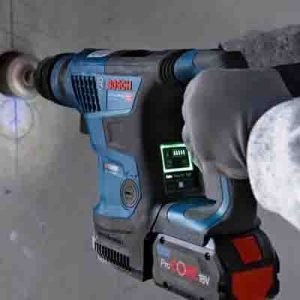
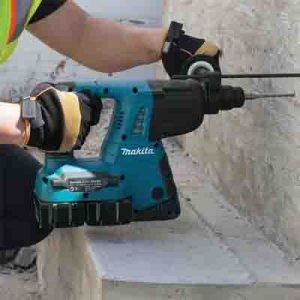
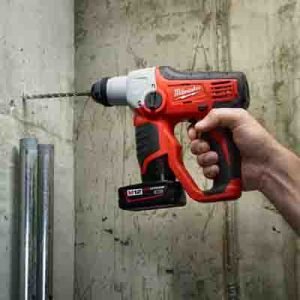
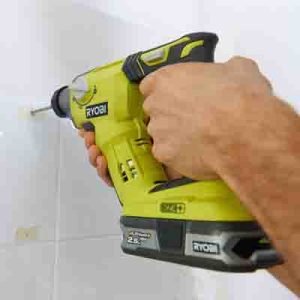


A cordless SDS hammer drill can be a particularly useful choice when drilling into concrete, masonry and brickwork without the restriction of a mains cable. However, cordless SDS drills vary considerably in power, battery platform, impact performance, ergonomics and intended workload. The right model depends less on headline specifications alone and more on the type of work you expect to carry out. For occasional DIY work, a compact 18V SDS drill may offer the best balance between capability, weight and cost. For regular renovation, installation or heavier construction tasks, a higher-performance model with greater impact energy, better vibration control and a larger battery system may be more appropriate. Brands such as Bosch Professional, Makita, DeWalt, Milwaukee, Hikoki and Ryobi offer cordless SDS options across different levels of performance and user requirements. When comparing models, look beyond the basic description. Battery compatibility, chuck type, impact energy, drilling capacity, operating modes, tool weight and vibration management can have a significant effect on how suitable a drill is for a particular job. An SDS hammer drill is a rotary hammer designed around the SDS tool-holder system. SDS tooling allows compatible drill bits and accessories to be inserted quickly while permitting the mechanism to deliver repeated impact energy through the bit. This makes an SDS rotary hammer substantially better suited to demanding masonry and concrete drilling than a conventional cordless hammer drill. The term SDS is commonly associated with SDS-plus tooling on mainstream compact rotary hammers. Larger SDS systems also exist, including SDS-max, which are intended for more demanding applications and larger accessories. The majority of cordless SDS drills considered for domestic improvement, installation and general building work use SDS-plus. A conventional hammer drill generally combines rotation with a lighter hammering action. An SDS rotary hammer uses a dedicated impact mechanism capable of delivering considerably more effective chiselling and masonry-drilling performance. Voltage is useful as a broad indicator of the tool's battery system, but it should not be treated as a direct measure of drilling performance. Two cordless SDS drills using similar nominal battery voltages can have very different motors, impact mechanisms, electronics and operating characteristics. The battery platform is also important. If you already own compatible batteries from a brand, choosing a drill from the same system can reduce the need to purchase additional batteries and chargers. This can make a significant difference to the overall cost of a cordless setup. Before buying a bare tool, check exactly what is included. A product described as a bare tool may not include a battery or charger, whereas a kit normally includes some combination of batteries, charger and storage equipment. Always compare the complete package rather than comparing bare-tool prices with ready-to-use kits. Impact energy, usually expressed in joules, is one of the more useful specifications when comparing SDS rotary hammers. It indicates the energy delivered by the hammer mechanism and provides a better indication of chiselling and heavy masonry capability than battery voltage alone. A higher impact-energy rating does not automatically make a drill the best option for every user. Greater capability can come with increased size, weight and physical fatigue. For drilling small holes for wall plugs, a compact model may be considerably more convenient than a larger machine designed for demanding construction work. Manufacturers commonly specify maximum drilling capacities for materials such as concrete, masonry, wood and metal. These figures should be interpreted as application limits rather than recommendations for every job. If most of your work involves small fixings, cable routes or wall plugs, there is little benefit in choosing a machine primarily because it advertises an exceptionally large maximum drilling diameter. Conversely, repetitive drilling of larger holes may justify a more powerful SDS model with a stronger hammer mechanism. Three common operating modes are particularly useful: Some models provide additional control options or electronic settings. These can be useful when switching between delicate drilling, standard masonry work and more demanding applications. Many modern cordless SDS drills use brushless motors. Brushless technology eliminates conventional motor brushes and can support efficient electronic motor control, reduced routine brush maintenance and useful performance characteristics in demanding cordless applications. A brushless motor should nevertheless be considered as one part of the complete tool rather than a guarantee of superior performance. The hammer mechanism, gearing, electronics, battery, thermal management and overall mechanical design all contribute to how a rotary hammer performs. For frequent users, brushless models are often worth investigating because they tend to occupy the higher-performance sections of many manufacturers' cordless ranges. For occasional DIY use, however, the additional specification may not justify choosing a more expensive model if a simpler drill already meets the intended workload. Battery capacity is generally expressed in ampere-hours, or Ah. A larger Ah battery can provide greater stored energy, although actual runtime depends heavily on the work being performed, material hardness, drill-bit diameter, pressure, operating mode and tool efficiency. Heavy chiselling and large-diameter concrete drilling can consume substantially more energy than occasional small-hole drilling. Consequently, advertised runtime figures should be treated cautiously unless the test conditions are clearly specified. For installation work and overhead drilling, balance can sometimes matter more than maximum battery capacity. For prolonged drilling at ground level or heavier chiselling, additional battery capacity may be more valuable. Weight is an important buying consideration that is often overshadowed by power specifications. An SDS drill can generate considerable vibration and reaction forces, so a comfortable handle arrangement and sensible weight distribution can make extended use easier. Consider where the drill will be used. A heavier machine may feel manageable for occasional drilling but become tiring when used repeatedly above shoulder height. A compact SDS drill may therefore be the better choice for electricians, plumbers, installers and DIY users who spend substantial time drilling smaller holes. Vibration deserves serious attention when comparing SDS drills, particularly for users who carry out frequent drilling or chiselling. Some manufacturers incorporate dedicated vibration-reduction systems into their rotary hammers. Vibration-control technology can improve comfort, but it does not remove the need for sensible working practices. Users should follow the manufacturer's instructions, use appropriate accessories and take suitable breaks during repetitive work. Do not assume that a drill with a particular vibration-control feature is automatically suitable for unlimited continuous operation. Manufacturer guidance, application limits and safe operating procedures remain important. SDS-plus is the more common choice for compact cordless rotary hammers and general building, renovation and installation work. SDS-max systems use larger tooling and are generally associated with heavier rotary hammers and more demanding applications. These systems are not interchangeable simply because both are described as SDS. Check the exact chuck and accessory system before purchasing drill bits or chisels. For occasional household work, prioritise manageable size, useful drilling capacity, straightforward controls and compatibility with any batteries you already own. There is usually little reason to choose an exceptionally large rotary hammer for ordinary wall fixings. Renovation projects can involve repeated drilling through brick, block and concrete, as well as occasional chiselling. A mid-range cordless SDS-plus drill can provide a useful compromise between portability and performance. Installers frequently need to drill repeated fixing holes and pass services through masonry. Compact dimensions, low weight, good balance and controllable drilling performance can be more useful than maximum chiselling power. Frequent drilling of larger holes or substantial chiselling can justify a higher-performance rotary hammer. Compare impact energy, maximum recommended drilling diameter, vibration management and battery requirements rather than relying solely on the brand name. If chiselling is part of the intended workload, make sure the drill actually provides an appropriate chiselling mode. A conventional hammer drill is not an equivalent substitute for an SDS rotary hammer with dedicated impact-only operation. One of the easiest mistakes is comparing a bare tool with a complete kit without accounting for the battery and charger. Check the battery chemistry, voltage platform, physical battery interface and manufacturer's compatibility information. Batteries that appear similar are not necessarily interchangeable across brands or even across different product families. Battery ecosystems can be one of the most important long-term purchasing decisions. A cordless SDS drill is not necessarily an isolated purchase; it can become part of a wider system containing impact drivers, drills, grinders, saws, lights and other equipment. Brands including Makita, DeWalt, Bosch Professional, Milwaukee, Hikoki and Ryobi operate established cordless tool platforms, but compatibility should always be checked at the exact product-series level. Do not purchase an expensive battery ecosystem solely because one SDS drill looks attractive. Consider which other cordless tools you may realistically need in the future and whether the platform provides suitable options for those applications. The performance of an SDS rotary hammer depends partly on using appropriate, correctly specified accessories. A powerful machine paired with an unsuitable or worn drill bit can deliver disappointing results. For masonry and concrete drilling, use SDS-compatible bits designed for the material and application. For chiselling, select the appropriate SDS accessory for the task rather than attempting to improvise with incompatible tooling. Check accessory diameter limits and manufacturer instructions before using large-diameter bits or specialist attachments. Cordless SDS drills can produce substantial torque and impact force. Certain models incorporate electronic protection and mechanical safety systems intended to help manage abnormal operating conditions. A clutch or electronic anti-kickback system can be particularly relevant if a drill bit catches in the material. The exact operation varies between manufacturers, so examine the individual model's specification rather than assuming every SDS drill provides the same protection. Personal protective equipment remains important. Eye protection is particularly relevant when drilling masonry, while suitable hearing protection and respiratory protection may be appropriate depending on the task, material and working environment. Voltage does not tell the whole story. Motor design, impact energy, gearing, electronics and battery technology all affect practical capability. A powerful drill that is uncomfortable to hold may be a poor choice for repetitive installation work. Compare complete tool weight, including the battery where relevant. More power is not always more useful. Larger rotary hammers can be unnecessarily cumbersome for small fixing holes and light renovation tasks. A low bare-tool price can become much less attractive once the cost of the required battery and charger is included. SDS tooling is not simply another name for a conventional keyed or keyless chuck. Confirm which accessories the drill accepts before purchasing. Check whether the advertised drilling capacities specifically cover the material you intend to drill. Maximum capacity in one material does not necessarily apply to another. Confirm whether the package includes batteries, charger, side handle, depth stop and carrying case. Kit contents can differ between variants of the same basic model. When two models appear similar, compare them systematically rather than focusing on one headline feature. A useful comparison should also consider whether the specifications were measured using the same methodology. Manufacturer figures are not always directly equivalent, so apparently small differences should not automatically determine the purchase. Professional-oriented tools commonly place greater emphasis on durability, battery ecosystems, repairability, ergonomic design and performance under sustained workloads. DIY-focused models may prioritise affordability, simplicity and occasional-use convenience. There is no universal rule that professional-grade is better for every buyer. Someone drilling a handful of fixing holes each month may benefit more from a compact and easy-to-handle tool than from a heavy-duty machine designed for much greater utilisation. Brand selection can help narrow the field, particularly when battery compatibility matters, but the individual model remains more important than the badge on the casing. These brand descriptions are starting points rather than endorsements. Always compare the exact model specifications, included battery, warranty terms, intended application and current retailer information before making a purchase. Customer reviews can provide useful information, but they should not replace specification checking. Look for patterns rather than relying on a single positive or negative comment. Verified customer reviews can be especially useful for identifying practical considerations that are difficult to judge from a specification sheet, such as balance, storage convenience or the usefulness of supplied accessories. They should still be interpreted alongside manufacturer documentation. Proper maintenance can help keep a cordless SDS drill operating reliably. Follow the manufacturer's maintenance instructions rather than applying generic servicing procedures to every model. A suitable case can make a cordless SDS drill easier to transport while protecting the tool and helping keep accessories together. If you regularly carry several cordless tools, compatibility with an existing storage system can be a worthwhile consideration. For battery storage, follow the specific manufacturer's recommendations concerning temperature, charging and long-term storage. Do not assume that all lithium-ion battery systems have identical storage requirements. A cordless SDS rotary hammer is not automatically the best drilling tool for every application. If most of your work involves timber, metal, plastic or small household drilling tasks, a conventional cordless drill or combi drill may be more versatile. A corded SDS rotary hammer can also be worth considering for prolonged heavy-duty work where uninterrupted mains operation is more important than cordless portability. Likewise, exceptionally demanding demolition or large-diameter drilling may require a larger specialist machine rather than a compact cordless SDS-plus model. There is no single best cordless SDS hammer drill for every user. The most suitable model depends on the intended materials, hole sizes, frequency of use, required impact performance, tool weight and existing battery platform. Compare models according to the workload rather than selecting solely on brand or headline power. An 18V cordless SDS drill can be suitable for many domestic, installation and general masonry applications. Whether it is sufficient depends on the particular motor and hammer mechanism, battery and intended drilling workload. Voltage alone should not be used to judge performance. Many cordless SDS rotary hammers are designed specifically for concrete and masonry drilling. Check the manufacturer's stated drilling capacities and impact-energy specification for the exact model, and use an appropriate SDS concrete bit. Some SDS rotary hammers provide a rotary-only mode, allowing suitable drilling applications without hammer action. However, SDS drills are designed around specialist SDS tooling and may not offer the same chuck flexibility as a conventional cordless drill unless a compatible adapter or chuck system is specifically supported. An SDS rotary hammer with an appropriate chiselling mode can be suitable for certain tile-removal applications. Use the correct accessory, follow the manufacturer's instructions and take care around hidden services and surfaces that could be damaged by impact. Brushless motors can offer useful efficiency and electronic-control characteristics and are common in many higher-specification cordless tools. However, the overall design of the rotary hammer matters more than motor terminology alone. The appropriate impact energy depends on the work. Smaller fixing holes generally do not require the same impact performance as large-diameter drilling or regular chiselling. Choose enough capability for your heaviest routine task without automatically buying the largest machine. A bare tool can make sense if you already own compatible batteries and a charger from the same platform. If you are starting from scratch, compare the total cost of the drill, battery and charger against complete kits from competing platforms. SDS-plus is commonly used on compact and mid-sized rotary hammers, while SDS-max is associated with larger, heavier-duty machines and accessories. They use different tooling systems, so confirm compatibility before buying accessories. Reviews can be helpful when they describe real applications and refer to the exact product variant. Look for recurring patterns across multiple reviews and compare those observations with manufacturer specifications rather than treating any individual review as conclusive evidence. Maintenance requirements vary by model and workload. Follow the manufacturer's maintenance schedule and inspect the tool, accessories and battery system regularly. Heavy professional use may require more frequent attention than occasional DIY use. The best cordless SDS hammer drill is ultimately the one that matches the work rather than the one with the longest specification sheet. Start by identifying the materials, hole sizes and frequency of use. Then compare impact energy, drilling capacity, operating modes, weight, vibration management and battery compatibility. If you already own cordless tools, the existing battery platform can be a powerful deciding factor. If you are building a cordless collection from scratch, consider the wider ecosystem as well as the SDS drill itself. For occasional DIY work, prioritise manageable size and ease of use; for demanding renovation or trade applications, place greater emphasis on impact performance, durability, battery capacity and ergonomic design. Before purchasing, verify the exact model number, kit contents, manufacturer's specifications, warranty terms, compatible accessories and current retailer information. Prices and availability can change, and different regional variants can have different batteries or accessories. Comparing these details carefully is the most reliable way to narrow down the best cordless SDS hammer drill for your particular requirements.How to Choose the Best Cordless SDS Hammer Drill in the UK
What Is a Cordless SDS Hammer Drill?
How SDS Differs From a Conventional Hammer Drill
Key Features to Compare
Voltage and Battery Platform
Impact Energy
Maximum Drilling Capacity
Operating Modes
Brushless Motors: Are They Worth Considering?
Battery Size and Runtime
Compact Batteries Versus High-Capacity Batteries
Ergonomics and Tool Weight
Features That Can Improve Usability
Vibration Control
SDS-Plus Versus SDS-Max
Choosing the Right Drill for Different Jobs
DIY and Home Maintenance
Renovation Work
Electrical and Plumbing Installation
Heavy Masonry Work
Occasional Chiselling
Buying a Bare Tool or a Complete Kit
Battery Platform Compatibility
Drill Bits and Accessories Matter
Common SDS Accessories
Safety Features to Look For
Common Buying Mistakes
Choosing Solely on Voltage
Ignoring Weight
Buying the Biggest Model Available
Forgetting the Battery Cost
Confusing SDS With Standard Chucks
Overlooking the Intended Material
Buying Without Checking the Kit Contents
How to Compare Two Cordless SDS Drills
Professional-Grade Versus DIY Cordless SDS Drills
Makita, DeWalt, Bosch Professional, Milwaukee, Hikoki and Ryobi
How to Assess Customer Reviews Properly
Maintenance and Care
Storage and Transport
When a Cordless SDS Drill Is Not the Best Choice
Questions to Ask Before Buying
Quick Buying Checklist
Frequently Asked Questions
What is the best cordless SDS hammer drill?
Is 18V enough for an SDS hammer drill?
Are cordless SDS drills powerful enough for concrete?
Can an SDS drill be used as a normal drill?
Can an SDS drill remove tiles?
Is brushless better for an SDS drill?
How much impact energy do I need?
Should I buy a bare cordless SDS drill?
What is the difference between SDS-plus and SDS-max?
Are customer reviews reliable when choosing a cordless SDS drill?
How often should an SDS drill be maintained?
Final Buying Advice