

♥ Wishlist


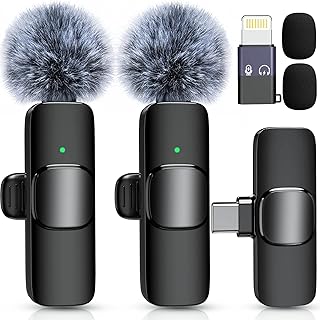

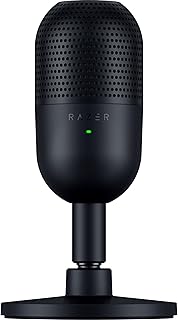


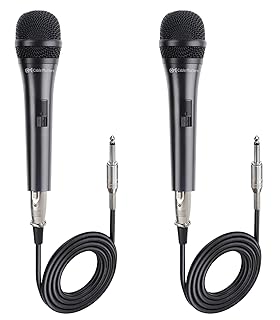


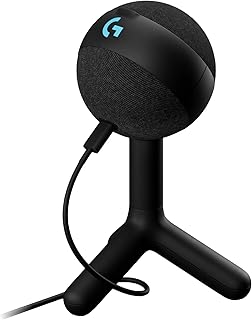


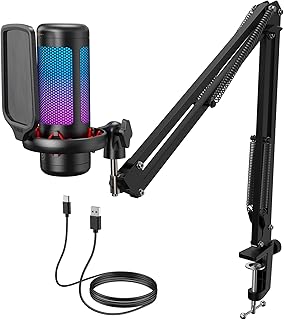


A good microphone can transform the quality of spoken audio, vocals, music recordings, live broadcasts and online content. The best microphone for you depends on how and where you plan to use it. A home podcaster may prioritise clear speech and simple USB connectivity, while a musician might need a microphone designed for vocals or instruments. Streamers and content creators may also look for features such as directional pickup, desk mounting, headphone monitoring and convenient controls.
When shopping for a microphone in the UK, it is useful to consider the recording environment as well as the microphone itself. A quiet, treated room can work well with several microphone types, while a busy room may benefit from a directional microphone that focuses more closely on the intended sound source. Understanding these differences can help you choose a microphone that suits your setup instead of paying for features you may not need.
USB microphones are popular for podcasting, streaming, gaming, voiceovers, video calls and home recording because they can connect directly to a compatible computer without requiring a separate audio interface. They are often straightforward to set up and can be a practical choice for beginners, creators and home users. Some USB models also include headphone outputs, mute controls, gain adjustment and selectable pickup patterns for greater flexibility.
XLR microphones are commonly used with audio interfaces, mixers and other professional audio equipment. They can be a strong choice for musicians, broadcasters, voiceover artists, studios and experienced content creators who want greater control over their signal chain. An XLR setup may require additional equipment, but it provides flexibility when building a more advanced recording system.
Microphone design affects how sound is captured. Condenser microphones are often chosen for detailed recording and are widely used for vocals, acoustic instruments, podcasts and studio applications. Dynamic microphones are generally known for their durability and ability to handle louder sound sources, making them popular for live vocals, instruments, broadcasting and environments where background noise needs to be controlled.
Neither type is automatically better for every situation. A condenser microphone can be useful when detail and sensitivity are important, while a dynamic microphone can be a practical option when you need focused pickup and robust construction. Your room, voice, sound source and intended use should all influence the decision.
Clear speech is essential for podcasts, livestreams and online videos. Look for a microphone that works well at a suitable speaking distance and provides a pickup pattern appropriate for your room. Cardioid microphones are particularly popular for spoken-word applications because they primarily capture sound from the front while reducing sound arriving from other directions.
For desk-based setups, a microphone stand, boom arm or shock mount can also improve usability. Keeping the microphone securely positioned and reducing unwanted handling or desk vibrations can help create a cleaner recording. Pop filters and foam windscreens may also help reduce unwanted bursts of air caused by certain speech sounds.
Musicians can choose from microphones designed for vocals, acoustic instruments, amplifiers and other recording applications. Vocal microphones need to reproduce the character and dynamics of a singer clearly, while instrument recording can require different sensitivity and frequency characteristics. Consider whether the microphone will be used in a home studio, rehearsal environment, live venue or professional recording space before choosing a model.
Pickup pattern is one of the most useful specifications to understand. Cardioid microphones focus on sound from the front, while omnidirectional designs capture sound from multiple directions. Some microphones offer selectable patterns, giving users more flexibility for interviews, group recordings or different room layouts.
Connection type is another important consideration. USB is convenient for direct computer use, whereas XLR is suited to audio interfaces and mixers. Other features worth considering include frequency response, sensitivity, maximum sound pressure level, headphone monitoring, mute controls, gain adjustment and included accessories. Check compatibility with your existing equipment before purchasing.
Whether you are recording your first podcast, upgrading a streaming desk, producing music or improving voice communication, selecting a microphone around your actual requirements can make the buying process easier. Think about your recording environment, connection requirements, microphone placement and intended use before comparing individual models.
For a simple plug-and-play setup, a USB microphone can be an accessible starting point. For a flexible studio or live audio system, an XLR microphone may be more suitable. By comparing microphone type, pickup pattern, connectivity and practical features, you can choose an option that fits your equipment and recording goals without unnecessary complexity.
Find the right microphone for your audio setup with options designed for podcasting, streaming, music recording, gaming, vocals, video production and everyday communication. Whether you need a simple USB microphone for a home office or a more advanced microphone for a studio or live performance, choosing the right type and features can make a noticeable difference to sound quality. Explore microphones with different pickup patterns, connection types, mounting options and recording characteristics to suit your needs in the UK.
Primary: Commercial investigation and transactional
Secondary: Users comparing microphones for recording, streaming, podcasting, vocals, gaming and general audio applications.