
♥ Wishlist

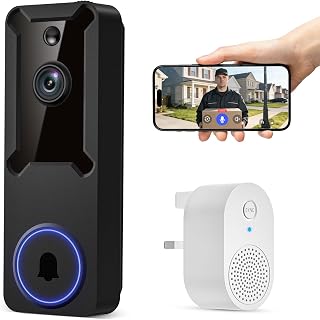


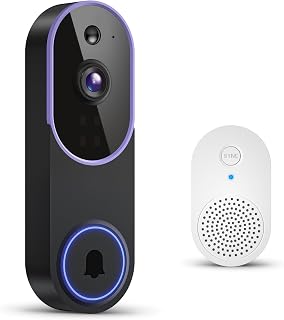
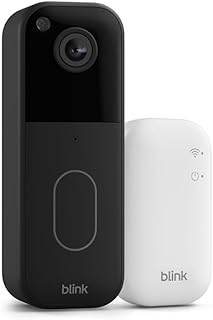


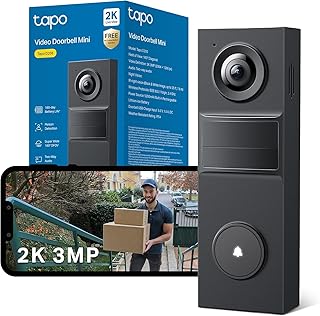


A doorbell camera combines the everyday function of a traditional doorbell with video monitoring, allowing you to see who is approaching your property. Depending on the model, you may be able to receive alerts on a smartphone, view live footage, communicate with visitors and monitor activity around your entrance. For UK homeowners, renters and landlords, choosing the right video doorbell means considering the property layout, available connectivity, installation method and features that matter most for everyday security.
A doorbell camera is a smart security device installed at or near a front door. It normally includes a camera, doorbell button and motion detection technology, while many models also provide a microphone and speaker for two-way communication. When someone approaches or presses the doorbell, compatible systems can notify you through a connected smartphone, smart display or indoor chime.
Some doorbell cameras are designed for mains or wired installation, while others use rechargeable batteries. Wireless models can be convenient where existing doorbell wiring is unavailable, whereas wired options may be suitable for households looking for a permanent installation. Always check the manufacturer's installation requirements before choosing a model.
Clear video can make it easier to identify visitors and understand what is happening near your entrance. Consider resolution, camera viewing angle and image performance in different lighting conditions. A wider viewing angle can be particularly useful where the doorway opens onto a path, driveway or shared entrance.
Motion detection can notify you when activity is detected around the door rather than relying only on someone pressing the bell. Depending on the device, detection settings may help reduce unnecessary alerts from passing traffic, pets or other movement. Look for adjustable detection zones and notification controls if these features are important to you.
A useful doorbell camera should provide practical visibility after dark. Night vision technology can help monitor visitors during evenings and overnight periods. If your entrance receives limited lighting, pay particular attention to the camera's low-light capabilities when comparing products.
Two-way audio lets you communicate with visitors without opening the door. This can be useful for speaking with delivery drivers, receiving parcels or responding when you are in another room. Check whether the model supports clear audio and whether communication depends on an internet connection or companion application.
The best installation type depends on your property and preferences. Battery-powered doorbell cameras generally offer greater flexibility because they can be installed without relying on existing doorbell wiring. They may require periodic charging, so battery life and charging convenience are worth considering.
Wired doorbell cameras can provide a more permanent solution where suitable electrical wiring is already available. They may be a practical choice for homeowners who prefer not to recharge a battery. Before installation, check voltage compatibility and follow the manufacturer's instructions or use a qualified installer where appropriate.
Many modern video doorbells connect to a home Wi-Fi network and use a smartphone application for setup, live viewing and notifications. Some models can also integrate with compatible smart-home platforms or voice assistants. Check supported networks, mobile operating systems and smart-home compatibility before purchasing, particularly if you already use connected devices around your home.
Video storage can vary between doorbell camera systems. Some products support local storage, while others may use cloud-based recording services that can involve subscriptions. Check exactly what is included with the device and whether additional charges apply for recorded footage or advanced features.
Because a doorbell camera may capture areas outside your property, responsible positioning is important. Aim the camera primarily at your own entrance and property, and consider privacy when positioning the device in areas overlooking neighbours or public spaces. Always follow applicable UK privacy and data-protection requirements and the manufacturer's guidance.
When comparing doorbell cameras, focus on the features that match your property rather than choosing based solely on headline specifications. Consider whether you need battery or wired installation, how much coverage is required, whether night vision is important and how you want to receive alerts. Video quality, motion detection, two-way audio, app functionality and storage options can all influence the overall suitability of a model.
For flats, terraced houses, detached homes and other UK properties, installation conditions can differ considerably. A compact battery model may suit a doorway where wiring is difficult, while a wired system may be preferable where a compatible existing doorbell circuit is available. Checking dimensions and installation requirements before ordering can help avoid compatibility issues.
A well-chosen doorbell camera can make everyday visitor monitoring more convenient while adding another layer of awareness around your entrance. Compare available models by video performance, connectivity, installation type, motion detection, night vision, audio communication and storage options. By matching these features to your home and daily routine, you can select a doorbell camera that provides practical monitoring and convenient access to your property's front door.
Protect your home and keep an eye on your front door with a modern doorbell camera. Designed for convenient visitor monitoring, smart alerts and remote communication, video doorbells can provide useful visibility whether you are at home, at work or away. Explore doorbell camera options suited to UK homes and compare important features such as video quality, motion detection, night vision, two-way audio, connectivity and installation requirements.