

♥ Wishlist
Our experts reviewed the latest {category_name } to help you compare quality, performance, durability and overall value before making your purchase.


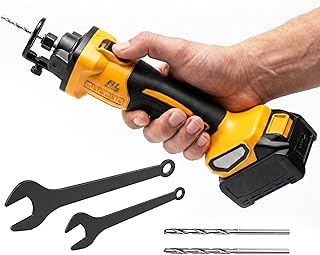


Choosing a cordless drywall cutter is about more than selecting the tool with the highest advertised speed or the lowest price. The right model needs to match the type of plasterboard work you actually carry out, the thickness and materials you cut, the level of portability you need and the battery platform already available in your workshop. DeWalt has an established range of cordless professional tools, and its drywall-cutting equipment is particularly relevant to installers, electricians, joiners, dryliners, renovators and tradespeople who need controlled cutting without relying on a mains power cable. When comparing models, look beyond the headline specification and assess ergonomics, cutting control, compatibility, accessory availability, battery requirements and the practical cost of ownership. A drywall cutter, sometimes called a rotary drywall saw or spiral saw, is designed for making openings and trimming plasterboard, drywall and similar sheet materials. It can be particularly useful when creating openings around electrical boxes, sockets, switches, pipes, vents, lighting points and other installations. Unlike a conventional hand saw, a powered drywall cutter can make repeated cuts more quickly and can be easier to manoeuvre around marked openings. Cordless operation also removes the need to position a mains cable around ladders, work platforms and unfinished rooms. Battery compatibility should be one of the first considerations when comparing DeWalt cordless drywall cutters. If you already own compatible DeWalt batteries and a suitable charger, staying within the same battery platform can reduce the need to purchase an additional power system. However, battery compatibility should not automatically make one model the best choice. Consider the complete tool and battery combination, including weight, balance, runtime, charging requirements and the physical size of the battery. Motor performance affects how confidently a drywall cutter can maintain its cutting action through the intended material. A higher speed figure can look impressive on a specification sheet, but speed alone does not determine cutting performance. For practical buying decisions, consider the relationship between motor speed, control, trigger response, cutting depth, accessory compatibility and the material you expect to cut. A tool that is easy to control can be more useful for detailed cut-outs than one selected purely because it has the most aggressive headline specification. Cutting depth is particularly important when working with plasterboard because the cutter needs to make the required opening without unnecessarily penetrating deeper than intended. Look for clearly stated cutting-depth specifications and consider whether the adjustment system can be set accurately. Depth control can help reduce accidental damage to cables, pipes or other concealed services, although no depth setting should be treated as a substitute for checking what is behind the board before cutting. The cutter's collet arrangement determines which accessories can be fitted. Before purchasing replacement bits, check the tool manufacturer's stated compatibility rather than assuming that every rotary cutting bit will fit. Accessory selection should reflect the materials being cut and the type of opening required. Different bit profiles and sizes can affect the size, finish and control of a cut. Drywall cutting often involves working at shoulder height, overhead or in awkward positions. Ergonomics therefore deserves as much attention as raw power. Good visibility can make a meaningful difference when following marked lines or cutting around existing installations. A bulky tool head, poorly positioned controls or an obstructed view can make precise work more difficult. When comparing products, examine the cutter's nose and bit area rather than relying solely on photographs showing the tool from a distance. The ability to see the cutting point can be especially useful for smaller openings and finishing work. Motor technology is another specification worth comparing. Brushless motors are generally designed without the conventional carbon-brush arrangement used by brushed motors. In cordless power tools, brushless designs are often associated with efficient power delivery and reduced routine brush maintenance. A brushed model can still be perfectly suitable for occasional work, so the choice should depend on workload rather than the assumption that brushless automatically means better for every buyer. Always compare the actual specifications of the individual models rather than judging the tool solely by its motor type. The main practical advantage of a cordless drywall cutter is freedom from a mains cable. This can simplify work in unfinished buildings, renovation projects and rooms where power sockets are inconveniently positioned. Cordless operation can also reduce cable management around ladders and work areas. For tradespeople already using a compatible DeWalt battery platform, this convenience may be particularly valuable. There are trade-offs. Battery-powered tools depend on charged batteries, and runtime varies according to the battery, material, cutting technique and workload. A buyer who uses the cutter heavily should consider battery capacity and whether carrying a spare battery is practical. Manufacturers may publish battery-related specifications, but real-world runtime depends on how the tool is used. Continuous cutting, intermittent cut-outs and light finishing work can place very different demands on a battery. Instead of relying on a single runtime claim, consider your working pattern. The cutting bit is a consumable component and should be treated as part of the overall buying decision. A comparatively inexpensive tool can become less economical if the required accessories are difficult to source or unsuitable for the work being undertaken. Check the manufacturer's recommendations for compatible bit sizes and materials. Use accessories appropriate for the intended application and replace worn or damaged bits rather than attempting to extend their useful life indefinitely. The appropriate bit size depends on the opening and cutting method required. Smaller bits can offer greater control for certain detailed cuts, while larger cutting accessories may be more appropriate for specific opening dimensions. Do not select an accessory solely because its diameter appears close to the required opening. Consider the intended cutting path, the required clearance and whether the finished opening needs further trimming. A cordless drywall cutter and a jigsaw can both cut sheet materials, but they serve different purposes. If your work consists mainly of cutting irregular openings in plasterboard, a dedicated drywall cutter can be more specialised than a general-purpose jigsaw. If you need one tool for many different sheet materials, a jigsaw may offer broader versatility. An oscillating multi-tool can make plunge cuts and detailed adjustments, which makes it useful for renovation work. However, it is not identical to a dedicated drywall cutter. A drywall cutter is purpose-built around rotary cutting and can be particularly convenient for repeated openings in plasterboard. An oscillating tool may be preferable when the same tool also needs to cut timber, plastics, grout or other compatible materials. For a homeowner completing a single small repair, a hand drywall saw can be entirely adequate. It requires no battery, charger or motor and is straightforward to store. The advantage of a cordless powered cutter becomes more apparent when the number of openings increases or when repeatability and reduced manual effort are priorities. Drywall cutting can expose concealed electrical cables, plumbing and other services. Never assume that a clear-looking cutting line means the cavity behind the board is safe to penetrate. Plasterboard dust can be unpleasant and may become a significant airborne contaminant during repeated cutting. Good ventilation, appropriate dust control and suitable personal protective equipment should be considered according to the work environment and material being cut. Purchase price is only one part of value. A cheaper model may not provide the battery compatibility, cutting control, accessory support or ergonomics required for regular use. Cordless tools are often offered in different configurations. One listing may include the bare tool while another includes batteries and a charger. Comparing headline prices without checking the contents of each package can produce a misleading comparison. Battery systems are not universally interchangeable. Confirm the exact platform and model compatibility before purchasing a battery or charger. A tool that feels manageable for a few cuts may become tiring during prolonged overhead work. Consider the complete operating weight, including the battery. Maximum no-load speed does not tell the entire story. Cutting control, ergonomics, depth adjustment, bit compatibility and visibility can be equally important. Always verify accessory specifications. Incorrectly sized or unsuitable accessories can affect performance and may create safety risks. A useful comparison should evaluate the whole tool rather than a single specification. When examining two or more models, work through the following criteria. Frequent users should prioritise reliability, handling, battery logistics, accessory availability and productivity. A model that fits an existing battery ecosystem may be more practical than changing to an entirely different platform. Electricians creating repeated openings for sockets, switches and other electrical installations may benefit from a compact cutter that provides good visibility and precise control. The ability to work without a mains cable can also be useful on unfinished sites. Renovation work often involves a mixture of materials and unpredictable access conditions. Buyers should decide whether a dedicated drywall cutter is justified or whether a more versatile multi-tool or jigsaw would provide better overall utility. Occasional users should avoid paying for professional-level specifications they are unlikely to use. Battery compatibility, ease of handling and the availability of replacement accessories may matter more than maximum performance. The quality of a drywall opening depends on technique as well as the cutter itself. Accurate marking should come before powering up the tool. Regular inspection helps keep a cordless drywall cutter in suitable working condition. Maintenance requirements vary by model, so the manufacturer's instructions should always take priority. Product specifications are useful only when they are interpreted in context. A high specification in one category does not automatically make a tool superior overall. For example, a higher no-load speed may not matter if the tool is uncomfortable to control. Similarly, a larger battery can provide greater capacity but also adds weight. A kit containing multiple accessories may appear better value, but only if those accessories are useful for your work. The strongest comparison therefore balances measurable specifications with practical requirements. Before purchasing from a trusted retailer, review the exact product configuration rather than relying on the model family name alone. Customer reviews can provide useful information, but they should supplement rather than replace technical specifications. Pay particular attention to recurring comments about battery compatibility, handling, cutting control, durability, accessory fit and ease of use. Reviews are most useful when they describe the application in enough detail to establish whether the buyer's circumstances are comparable to your own. A DIY user making a handful of openings has different requirements from a professional using the tool throughout a working day. The overall cost of ownership can include more than the tool itself. Consider batteries, chargers, cutting accessories and replacement consumables when comparing different configurations. If you already own compatible DeWalt batteries and a charger, a bare-tool package may be sufficient. If you are entering the battery platform for the first time, the complete system cost deserves closer attention. DeWalt is not the only manufacturer worth considering. Depending on your existing tools and intended workload, it can be sensible to compare equivalent cordless solutions from Makita, Bosch Professional and Milwaukee. The most useful brand comparison is not simply a question of which logo is best. Compare battery ecosystems, tool ergonomics, specifications, accessory availability, documentation and the broader range of cordless equipment you may eventually purchase. The ideal drywall cutter for a professional is not necessarily the ideal purchase for a homeowner. Professional users tend to place greater emphasis on repeated-use ergonomics, battery availability, accessory supply and long-term productivity. Occasional users may place more emphasis on simplicity, purchase cost and whether the tool can be integrated into equipment they already own. This distinction is important when interpreting product rankings and customer feedback. The best model depends on the user's workload, battery platform, required cutting depth, preferred handling characteristics and budget. A professional making repeated cut-outs may prioritise different features from a homeowner completing occasional plasterboard repairs. Models designed for drywall and plasterboard cutting are intended for this type of application, subject to the manufacturer's stated specifications and compatible accessories. Always check the exact model documentation before cutting a particular material. Not in every situation. A drywall cutter is specialised for particular types of openings and trimming, whereas a jigsaw is generally more versatile across different sheet materials and cutting patterns. It can be worthwhile for frequent users who value brushless motor technology and the characteristics associated with modern cordless professional tools. For occasional use, the additional cost may not provide enough practical benefit to justify the upgrade. It depends on the product configuration. Some listings are sold as bare tools while others are supplied as kits. Always check the contents of the exact package being considered. The appropriate battery depends on the tool's compatibility, required runtime and preferred balance between capacity and weight. Larger-capacity batteries can add weight, so the best choice depends on the workload. A drywall cutter can penetrate materials and objects behind plasterboard if the cutting depth and position allow it. Never rely on the tool's depth adjustment alone to protect concealed services. Inspect and identify the area behind the board before cutting. Availability varies by model and retailer. Check the manufacturer's specified accessory requirements before buying the tool, particularly if you expect frequent use. A bare tool can be more economical when you already have compatible batteries and a charger. A complete kit may be more practical when starting a cordless platform. Compare the total cost rather than the advertised tool-only price. Inspection and cleaning should follow the manufacturer's recommendations and the amount of use. Heavy professional workloads generally warrant more frequent checks than occasional DIY use. The strongest cordless drywall cutter is not necessarily the fastest, most powerful or most expensive model. The better choice is the one whose specifications and design match the work it will actually perform. For professional users, battery-platform compatibility, handling, cutting control, accessory availability and suitability for repeated work should carry significant weight. For occasional users, simplicity, compatibility with existing equipment and overall system cost may be more important. Before committing to a purchase, compare the complete specification, verify exactly what is included, assess the cost of compatible batteries and accessories, and read recent verified customer feedback alongside manufacturer information. Taking this approach makes it easier to distinguish a genuinely suitable drywall cutter from a product that merely looks attractive on a specification sheet. For buyers comparing DeWalt cordless drywall cutters in the UK, the most important considerations are battery compatibility, cutting depth, motor characteristics, accessory compatibility, ergonomics, tool weight, visibility, included equipment and the demands of the intended workload. There is no universal best option for every buyer. The right choice depends on whether the cutter will be used for occasional DIY projects, renovation work or repeated professional applications. Compare the complete system rather than the headline tool price, verify the latest specifications and check current retailer information before purchasing.
How to Choose the Right DeWalt Cordless Drywall Cutter
What Is a Cordless Drywall Cutter Used For?
Key Features to Compare Before Buying
Battery Voltage and Platform Compatibility
Motor Performance
Cutting Depth
Collet and Accessory Compatibility
Ergonomics and Tool Balance
Visibility Around the Cutting Area
Brushless Versus Brushed Cordless Drywall Cutters
Why Cordless Operation Can Be Useful on Site
Battery Runtime: What Buyers Should Actually Consider
Drywall Cutter Bits and Consumables
Choosing the Right Bit Size
Drywall Cutter Versus a Jigsaw
Drywall Cutter Versus an Oscillating Multi-Tool
Drywall Cutter Versus a Traditional Hand Saw
Safety Considerations When Cutting Plasterboard
Common Buying Mistakes
Choosing the Cheapest Tool Without Checking the Specification
Ignoring the Bare-Tool Versus Kit Difference
Buying an Incompatible Battery
Overlooking Tool Weight
Focusing Only on Maximum Speed
Assuming Every Rotary Bit Is Compatible
How to Compare DeWalt Cordless Drywall Cutters
Which Type of Buyer Should Choose a DeWalt Cordless Drywall Cutter?
For Professional Dryliners
For Electricians
For Renovators
For DIY Users
How to Get Cleaner Drywall Cuts
Maintenance and Care
Understanding Specifications Without Getting Misled
What to Check Before Ordering
How to Assess Customer Reviews Properly
Value for Money: Look Beyond the Initial Cost
DeWalt and Other Brands: What Should You Compare?
Professional Versus Occasional Use
Questions to Ask Before Choosing a Model
Frequently Asked Questions
What is the best DeWalt cordless drywall cutter?
Are DeWalt cordless drywall cutters suitable for plasterboard?
Can a cordless drywall cutter replace a jigsaw?
Is a brushless drywall cutter worth buying?
Do cordless drywall cutters come with batteries?
What battery size should I use?
Can a drywall cutter cut through hidden cables or pipes?
Are replacement bits easy to find?
Should I buy a complete kit or a bare tool?
How often should a drywall cutter be maintained?
Final Buying Checklist
Expert Buying Perspective
2026 Buying Guide Summary