

Our experts reviewed the latest {category_name } to help you compare quality, performance, durability and overall value before making your purchase.
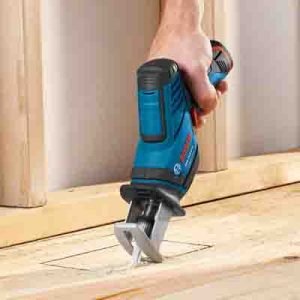
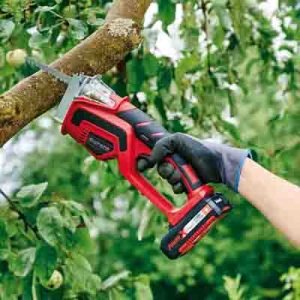
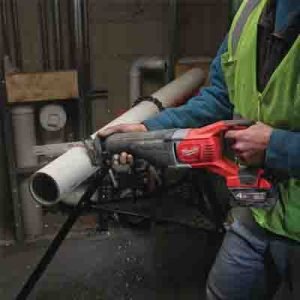
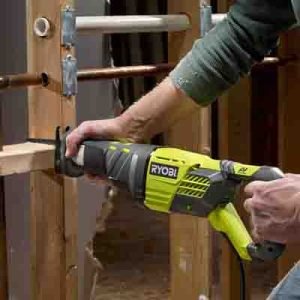


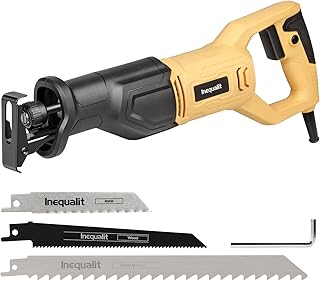


Choosing a cordless reciprocating saw is less about finding the highest specification and more about matching the saw to the materials, cutting positions and frequency of use you expect. A compact model can be the better choice for plumbing and installation work, while a full-size saw with a longer stroke is usually more appropriate for demolition, structural timber and repeated heavy cutting. Before comparing individual models, consider five factors together: battery platform, stroke length, cutting speed, physical size and vibration control. These determine how the tool behaves in real working conditions and are often more important than headline motor power alone. Product specifications can look remarkably similar across competing models, but each measurement describes a different aspect of performance. Understanding the terminology makes it easier to compare a Makita, DeWalt, Bosch, Milwaukee, Ryobi or another established platform without relying solely on marketing descriptions. Stroke length describes how far the blade travels backwards and forwards during each cycle. Common cordless models sit around the high-20mm to low-30mm range, although compact designs can use a shorter stroke. A longer stroke can remove more material with each cycle and can be advantageous when making fast cuts through substantial timber or other demanding materials. It does not automatically make a saw better, however. A shorter-stroke machine may be easier to control and can make more sense when access, precision and reduced physical movement matter more than maximum cutting speed. When comparing specifications, treat stroke length as one part of the performance equation rather than a standalone ranking. Strokes per minute, normally abbreviated to SPM, indicates how rapidly the blade reciprocates. Variable-speed triggers allow the operator to reduce the speed when starting a cut or working with materials where excessive speed can damage the blade or produce poor control. A high maximum SPM figure is useful, but it should not be interpreted as a guarantee of faster cutting. Cutting performance also depends on stroke length, motor output, blade design, material thickness, battery condition, applied pressure and the operator's technique. Brushless motors have become common in mid-range and professional cordless power tools. They eliminate conventional carbon brushes and can provide an efficient combination of power delivery, durability and electronic control. For occasional DIY use, a brushed saw can still be perfectly adequate if its specifications and battery system suit the intended workload. For frequent professional use, a brushless reciprocating saw can be attractive because the motor design is generally better suited to modern electronically controlled cordless platforms. Do not assume that a brushless badge alone makes one saw superior to another. Compare the complete tool, including ergonomics, cutting mechanism, vibration management, battery compatibility and warranty terms. Battery compatibility can be one of the most important buying decisions. A bare-tool reciprocating saw may appear inexpensive until the cost of a compatible battery and charger is added. If you already own cordless tools, staying within the same battery platform can substantially simplify ownership. DeWalt 18V XR, Makita 18V LXT, Milwaukee M18, Bosch Professional 18V and Ryobi ONE+ are examples of established ecosystems with broad tool ranges. Do not assume that batteries from different manufacturers can be interchanged simply because they have similar voltage ratings. Battery packs are designed for specific platforms, contacts and electronic systems. Use only batteries and chargers specified as compatible with the saw. Battery capacity is commonly expressed in ampere-hours, or Ah. A higher-capacity battery generally stores more energy than a lower-capacity battery of the same platform, although the exact runtime depends heavily on the tool and workload. A high-capacity pack can increase working time between charges, but it may also add weight. That trade-off becomes particularly noticeable when cutting above shoulder height or repeatedly working in awkward positions. For occasional jobs, a smaller battery may keep the tool easier to handle. For sustained cutting, larger-capacity packs or having multiple batteries available can be more practical. Reciprocating saws are frequently used away from a workbench. They may be held overhead, at arm's length, against vertical surfaces or in restricted spaces. A difference in tool and battery weight can therefore have a meaningful effect on fatigue. Compare the quoted tool weight carefully. Some manufacturers specify weight without the battery, while others may provide different figures depending on configuration. A saw that appears light in a specification table can feel substantially heavier once a high-capacity battery and long blade are fitted. The right format depends on access as much as cutting power. If the saw cannot be positioned comfortably against the material, additional power is of limited practical value. Reciprocating saws naturally generate substantial movement because the blade travels rapidly backwards and forwards. Good vibration management can make prolonged work more comfortable and can improve control when the saw is being used in difficult positions. When comparing models, examine the shape of the main handle, trigger position, secondary gripping area, rubberised surfaces and overall balance. A tool that feels natural in the hand is easier to control than one that forces the wrist into an awkward position. Anti-vibration technology can reduce transmitted movement, but it does not eliminate the need for sensible working technique. Allow the saw to do the cutting rather than forcing it aggressively through the material. A tool-free blade clamp is now a particularly useful feature for anyone who regularly changes between timber and metal blades. Fast blade changes reduce interruptions and make it easier to select the correct blade for each job. Some reciprocating saws also allow the blade to be fitted in multiple orientations. This can be valuable for flush cutting and for approaching material from an unusual angle. Multiple blade positions can improve access where the body of the saw cannot be placed directly behind the cut. This is particularly useful when removing pipe, cutting timber flush with a surface or working inside a restricted opening. When comparing two otherwise similar saws, a versatile blade clamp can therefore be a meaningful practical advantage rather than a minor convenience feature. The saw is only part of the cutting system. Blade selection has a major effect on speed, finish, longevity and safety. Wood-cutting blades are available in different tooth patterns and lengths. Coarser blades can be suitable for rapid material removal, while finer tooth arrangements can provide greater control for cleaner cuts. For demolition, specialised blades designed to handle timber containing nails can be particularly useful. Always check the blade manufacturer's stated application and maximum cutting capacity. Metal-cutting blades generally use finer teeth than aggressive timber blades. Different materials require different blade specifications, so a blade intended for thin sheet metal should not automatically be assumed suitable for heavy steel sections. Bi-metal blades are widely used because their construction combines flexibility with a harder cutting edge. For specialist materials, dedicated blades may be more appropriate. Pruning blades are designed specifically for branches and other green or dry wood. They are typically different from general demolition blades and should be selected according to the diameter and type of material being cut. Manufacturers may publish maximum cutting capacities for materials such as wood and steel. These figures are useful for comparison, but they should not be interpreted as universal guarantees of cutting speed. Actual performance depends on blade selection, material density, thickness, battery charge, cutting angle and operator technique. A saw rated for a particular maximum thickness may cut that material, but repeated work at the maximum can place significantly more demand on the tool and battery than lighter applications. For regular professional work, choose a saw with comfortable headroom rather than selecting a model solely because its published maximum capacity matches your largest occasional cut. A cordless reciprocating saw is a high-energy cutting tool and should be treated accordingly. Before buying, look for features that support controlled operation rather than focusing exclusively on maximum power. Use the blade, personal protective equipment and operating procedure recommended for the material and task. Keep hands away from the cutting path and make sure the workpiece is properly supported before cutting. A bare-tool price can be misleading if you do not already own a compatible battery and charger. Compare the total cost of the complete setup, not just the saw body. More power can be useful, but an unnecessarily large saw may be heavier and harder to control. If your main jobs involve occasional cutting in confined spaces, a compact model may be more useful than a heavy demolition machine. Battery compatibility can influence the cost of every future cordless tool purchase. Before choosing a new platform, consider which other tools you might realistically buy over the next few years. Two saws can have similar maximum stroke rates but different stroke lengths. Looking at SPM alone can therefore produce an incomplete comparison. A powerful saw fitted with an unsuitable blade can perform poorly. Blade selection should always follow the material being cut rather than being treated as an afterthought. Weight figures do not tell the whole story. Balance, handle position and battery placement affect how that weight is experienced during actual cutting. Established manufacturers offer several cordless reciprocating saw families, so brand reputation should be considered alongside the individual model. Makita is particularly relevant to buyers already invested in the 18V LXT ecosystem. When comparing Makita reciprocating saws, pay attention to the difference between compact and full-size designs, brushless motor specifications, stroke length and the battery capacity you intend to use. DeWalt's cordless range includes compact and full-size reciprocating saw formats. Buyers should distinguish between models designed primarily for restricted access and those intended for more demanding cutting. Existing 18V XR ownership can be an important factor in the decision. Milwaukee's M18 ecosystem is widely represented across professional cordless tools. When comparing its reciprocating saws, examine the intended duty level, physical size, blade travel, vibration control and compatibility with the batteries already in your kit. Bosch Professional offers cordless reciprocating saws within its professional battery system. Buyers should compare the specific model rather than assuming all Bosch saws have the same characteristics, particularly because compact and higher-performance models can have substantially different designs. Ryobi ONE+ can be attractive to homeowners who want a broad cordless tool ecosystem without necessarily building a professional trade kit. For occasional users, platform versatility and the cost of the complete battery setup may matter more than achieving maximum cutting performance. A useful comparison should separate objective specifications from subjective preferences. Start with measurable factors such as stroke length, maximum speed, weight and battery platform. Then consider practical factors including handling, access, vibration and blade-changing convenience. For two saws with similar specifications, the deciding factor may be the battery ecosystem. A buyer who already owns several batteries from one manufacturer can often gain more practical value from staying within that platform than switching to another brand for a small specification advantage. Prioritise a longer stroke, strong cutting performance, durable construction, effective vibration management and adequate battery capacity. A full-size saw is usually preferable where rapid material removal is the primary objective. Look for a balanced 18V brushless model with variable speed, a versatile blade clamp and enough cutting capacity for timber, pipe and common renovation materials. Compact dimensions can be more important than maximum power. Consider the ability to position the blade around pipes, studs, conduit and other obstructions without having to create excessive clearance. Do not overbuy. A straightforward cordless model from an established battery platform can provide useful versatility without the additional size and cost associated with heavy-duty professional equipment. A reciprocating saw is exceptionally versatile, but versatility does not make it the best tool for every cut. Reciprocating saws are particularly strong where access is difficult, the cut does not need to be exceptionally neat, or the material needs to be removed quickly during alteration and demolition. Battery management becomes increasingly important as cutting loads increase. Heavy demolition can consume considerably more energy than occasional light cuts, and cold conditions, material resistance, blade condition and operator pressure can all affect runtime. For regular site work, having more than one compatible battery can reduce interruptions. Rotate batteries according to the manufacturer's charging and storage guidance rather than repeatedly exhausting packs unnecessarily. Store batteries in suitable conditions and use the manufacturer's charger. Inspect packs before use and remove damaged batteries from service in accordance with the manufacturer's instructions. Regular care can help keep a cordless reciprocating saw working reliably. After use, remove dust and debris from accessible areas and check that the blade clamp, shoe and battery interface remain clean. Do not dismantle the saw or battery unless the manufacturer specifically provides a service procedure intended for the user. For faults that affect electrical or mechanical safety, use an authorised service route where appropriate. Not necessarily. Brushless technology is particularly attractive for frequent users who value efficiency, electronic control and long-term platform investment. Occasional DIY users may find a conventional model sufficient if the overall specification matches the workload. Many modern 18V cordless reciprocating saws are designed for demanding cutting applications. Whether a particular model is suitable depends on its motor, battery, stroke, blade and intended duty rather than voltage alone. No. A longer stroke can favour rapid material removal, but compact and controlled applications may benefit from a shorter-stroke design. The correct specification depends on how the saw will be used. A compact saw is worth considering if you regularly work in restricted areas or make cuts where tool size is the main limitation. It may be less suitable if your primary work involves prolonged heavy demolition. If you already own compatible batteries and a charger, a bare tool can avoid unnecessary duplication. If you are entering a new battery ecosystem, compare the complete kit cost and the battery capacity included before deciding. Battery capacity affects how much energy the pack can store and can influence working time. Larger packs generally add weight, so the ideal capacity depends on whether you value maximum runtime or a lighter tool for frequent repositioning. Yes, provided the saw is suitable for the application and the correct blade is fitted. The important point is to change blades according to the material rather than trying to use one general-purpose blade for every job. Verified customer reviews can reveal practical issues that specifications do not show, such as perceived balance, ease of blade changes, battery consumption and long-term ownership concerns. They should be considered alongside manufacturer specifications rather than used as the sole basis for a purchase. The cheapest purchase price is not necessarily the lowest-cost option over several years. Consider the battery ecosystem, replacement batteries, charger requirements, blade availability and the number of other tools you may eventually add. For a homeowner who already owns several tools from one platform, compatibility can be the strongest value argument. For a professional user, reliability, ergonomics, service arrangements and the ability to keep multiple batteries in rotation may justify spending more initially. It is also worth comparing what is actually included in each listing. A product name can refer to the same basic saw while the package varies between body-only, battery-and-charger kits and bundles containing additional accessories. There is no single cordless reciprocating saw that is ideal for every UK buyer. The best option for a demolition contractor can be excessive for a homeowner, while a lightweight compact model that is excellent for plumbing may be frustrating when repeatedly cutting large sections of timber. For most comparisons, begin with the battery platform and intended workload. Then assess stroke length, speed range, weight, dimensions, vibration control and blade-clamp design. Finally, compare the complete ownership cost rather than the advertised bare-tool price. Established brands such as Makita, DeWalt, Bosch Professional, Milwaukee and Ryobi provide multiple options across different user groups. The important distinction is not simply which brand is most familiar, but which specific model fits the way you work. The best choice depends on the user's battery platform, workload, required cutting capacity, preferred size and budget. There is no single model that is automatically best for every DIY user, tradesperson or professional contractor. For demolition, prioritise a full-size model with strong cutting performance, a useful stroke length, good vibration management and sufficient battery capacity. Durability and blade availability are also important when the tool will be used frequently. Look for a short, lightweight design with good balance, variable speed and a blade clamp that supports the cutting positions you regularly need. Compact dimensions are particularly valuable for work around pipes, studs, cabinets and other obstructions. Yes. Professional-grade cordless reciprocating saws are designed for demanding applications. The important distinction is between professional-oriented models and lighter DIY products, as their construction, performance, ergonomics and battery requirements can differ significantly. For general DIY, prioritise ease of use, sensible weight, variable speed, readily available blades and a battery system that fits your other tools. Maximum cutting performance is often less important than manageable size and overall convenience. Not necessarily. Battery capacity primarily relates to stored energy and potential runtime. The electrical characteristics of the battery platform and the saw's electronic and motor design also influence performance. There is no universal lifespan. Blade life varies according to material, thickness, tooth design, cutting pressure, speed and frequency of use. A blade cutting clean timber may behave very differently from one repeatedly cutting nail-embedded demolition timber or metal. Only use blades that are compatible with the saw's clamping system and rated for the intended application. Check the saw and blade manufacturer's instructions before fitting accessories. Neither is universally better. Cordless models provide freedom from mains cables and are convenient on sites or in locations without convenient power. Corded models can remain useful for stationary or prolonged workshop applications where continuous mains power is available. Neither should be considered in isolation. Stroke length determines blade travel per cycle, while SPM describes cycling speed. Together they provide a more useful indication of the saw's cutting motion, but blade choice, motor performance and material still have a major influence on real-world results. For buyers comparing cordless reciprocating saws in 2026, the most sensible approach remains specification-led rather than brand-led. Battery ecosystems are increasingly important because the cost and convenience of sharing batteries across several tools can outweigh relatively small differences between competing saws. At the same time, compact reciprocating saws have a clear role alongside full-size machines rather than simply being lower-powered versions. The ideal choice depends on whether your priority is rapid material removal, access, reduced fatigue, portability or platform compatibility. Use this guide alongside the individual product specifications, current retailer information and verified customer feedback for each model you are considering. Product configurations, batteries, accessories, warranties and prices can vary, so confirm the exact specification before purchasing.How to Choose a Cordless Reciprocating Saw for UK Jobs
Start With the Work You Actually Do
Cordless Reciprocating Saw Specifications Explained
Stroke Length
Strokes Per Minute
Brushless Versus Brushed Motors
Battery Voltage and Platform Compatibility
Battery Capacity: Ah Explained
Why Weight Matters More Than Many Buyers Expect
Compact Versus Full-Size Reciprocating Saws
Vibration Control and Ergonomics
Blade Clamp Design and Blade Positioning
Why Blade Orientation Matters
Choosing the Right Reciprocating Saw Blades
Wood Blades
Metal Blades
Pruning Blades
Cutting Capacity: How to Read the Numbers
Safety Features Worth Checking
Common Buying Mistakes to Avoid
Buying the Cheapest Bare Tool
Choosing Maximum Power for Occasional DIY
Ignoring the Battery Ecosystem
Comparing SPM Without Considering Stroke Length
Using the Wrong Blade
Overlooking Tool Balance
Makita, DeWalt, Bosch, Milwaukee and Ryobi: What Should You Compare?
Makita
DeWalt
Milwaukee
Bosch Professional
Ryobi
Cordless Reciprocating Saw Comparison Checklist
How to Compare Cordless Reciprocating Saws Properly
For Heavy Demolition
For General Renovation
For Plumbing and Electrical Work
For Occasional Home Use
When a Cordless Reciprocating Saw Is the Wrong Tool
Battery Management for Cordless Saw Users
Maintenance and Care
Questions to Ask Before Buying
Do I need a brushless cordless reciprocating saw?
Is an 18V reciprocating saw powerful enough?
Is a longer stroke always better?
Should I buy a compact reciprocating saw?
Should I buy a bare tool or a kit?
How important is battery capacity?
Can one reciprocating saw cut wood and metal?
Are customer reviews useful when comparing models?
How to Get Better Value From Your Purchase
Independent Buying Advice: What Matters Most
Final Cordless Reciprocating Saw Buying Checklist
Frequently Asked Questions About Cordless Reciprocating Saws
What is the best cordless reciprocating saw for the UK?
What is the best cordless reciprocating saw for demolition?
What is the best compact cordless reciprocating saw?
Are cordless reciprocating saws suitable for professionals?
What should I look for in a cordless reciprocating saw for DIY?
Does a bigger battery make a reciprocating saw more powerful?
How long should a reciprocating saw blade last?
Can I use any reciprocating saw blade in a cordless saw?
Is a cordless reciprocating saw better than a corded model?
What is more important, SPM or stroke length?
2026 Buying Perspective