

Our experts reviewed the latest {category_name } to help you compare quality, performance, durability and overall value before making your purchase.


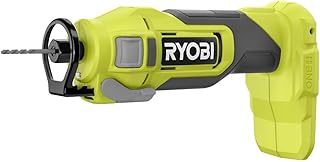


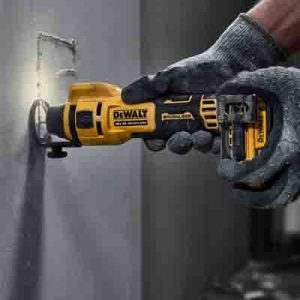
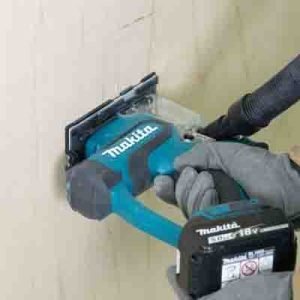
Choosing a cordless drywall cutter is less straightforward than simply comparing battery voltage or motor speed. The right tool depends on the type of plasterboard work you regularly carry out, the shapes you need to cut, the thickness of the board, the amount of overhead work involved and whether you already own batteries from a compatible cordless platform. For professional dry-lining, electrical installation, plumbing, renovation and ceiling work, a dedicated drywall cutter can save considerable time when compared with repeatedly marking, drilling and finishing openings by hand. However, not every cordless cutting tool performs the same job. A rotary cut-out tool is particularly useful for following irregular outlines and making openings around sockets, boxes, pipes and other obstructions, while a reciprocating drywall saw such as the Makita DSD180 is better suited to controlled straight cuts and overhead plasterboard work. The most useful comparison is therefore not simply which model has the highest specification. It is which design gives the best combination of cutting control, dust management, ergonomics, battery compatibility, accessory availability and long-term practicality for the work you actually do. One of the most important buying decisions is choosing the correct type of cordless cutter. Several tools can cut plasterboard, but their operating characteristics are very different. A rotary drywall cutter uses a small high-speed cutting bit rather than a conventional reciprocating blade. The operator can plunge into the board and guide the bit around an opening, making this style particularly useful for electrical sockets, recessed boxes, access openings, corners and shaped cut-outs. The Bosch Professional GCU 18V-30 is an example of this specialist category. Its brushless motor operates at up to 30,000 rpm, and the design accepts multiple collet sizes. Bosch also supplies a dust adaptor and drywall-specific cutting bits for the platform. The manufacturer describes the tool as suitable for flush cutting around windows, doors, access panels and electrical outlets, as well as cutting plywood, OSB and ceiling tiles. A cordless drywall saw uses a reciprocating blade and is often easier to understand if your work consists mainly of straight cuts, trimming board and creating larger openings. The Makita DSD180 is a good example of this approach. It is designed specifically for drywall and uses an adjustable cutting depth, variable-speed trigger, orbital action and a dust box intended to collect debris during overhead applications. Its published drywall capacity is up to 30 mm, with a 6 mm stroke and a no-load stroke rate of up to 6,000 strokes per minute. A multi-tool is the most versatile option but is not necessarily the best dedicated drywall cutter. A suitable oscillating blade can plunge into plasterboard and create openings, while the same machine can later be used for wood, plastic, sealant, sanding and other tasks. The trade-off is that a multi-tool generally requires more blade movement and accessory changes for work that a dedicated rotary cutter can perform more directly. If plasterboard cutting represents only a small part of your workload, versatility may matter more than specialist speed. If you are repeatedly installing electrical boxes or cutting dozens of similar openings, a dedicated cut-out tool can make more sense. Battery compatibility can have a greater effect on the real cost of ownership than the headline tool price. If you already use an 18V cordless system, buying a body-only drywall cutter may allow you to use existing batteries and chargers. Makita's DSD180 belongs to the 18V LXT system, while the Bosch Professional GCU 18V-30 is compatible with the Bosch Professional 18V System and the AMPShare multi-brand battery alliance. Do not assume that all batteries with the same nominal voltage are interchangeable. Battery mounts, electronics, communication systems and manufacturer-specific protections can differ substantially. Brushless motors are increasingly common in professional cordless tools because they can provide efficient operation, reduced maintenance requirements and good power delivery in a compact package. They can be especially attractive for tradespeople who use the same machine frequently. The Bosch GCU 18V-30 uses a brushless motor and is specified at 30,000 rpm. Motor technology should nevertheless be considered alongside the cutting system. A very high no-load speed does not automatically mean a tool is better for every job. Bit design, collet accuracy, electronic control, ergonomics and dust management can all influence practical performance. Rotary cutters are often specified by their no-load rpm, while reciprocating tools are generally specified by strokes per minute. These figures cannot be compared directly. A high rpm is useful for a small rotary bit designed to remove material quickly, but the practical cutting rate depends on the bit diameter, board material, cutting technique and operator control. Likewise, a high stroke rate does not necessarily make a reciprocating drywall saw faster if the blade is poorly suited to the board. For commercial comparisons, treat speed as one specification rather than the deciding specification. Depth control is one of the most useful features on a drywall cutter. Plasterboard installations frequently contain electrical cables, pipes and other services behind the board, so limiting the cutting depth can help reduce the chance of unnecessary penetration. The Makita DSD180 has adjustable cutting depth specifically to accommodate different drywall thicknesses and help prevent accidental contact with wires behind the board. Depth adjustment should not be treated as a substitute for checking the wall or ceiling before cutting. A depth stop controls how far the tool cuts; it does not tell you what is hidden behind the plasterboard. Rotary cut-out tools depend heavily on their bits. Before buying, check which collet sizes are included and which cutting bits are readily available. The Bosch GCU 18V-30 is supplied with collets for 3.17 mm, 3.96 mm and 6.35 mm sizes and is designed for compatible drywall and multi-purpose bits. Bit availability matters because cutting performance eventually depends on having sharp, suitable accessories. A tool with excellent specifications can become inconvenient if compatible bits are difficult to source or unusually expensive. Drywall cutting produces fine gypsum dust that can spread rapidly around a room, especially during ceiling work. Dust management should therefore be considered a primary buying criterion rather than an optional extra. A built-in dust box can be convenient for small jobs, but a vacuum connection can be preferable for repeated cutting or professional work where controlling airborne dust is important. The Bosch GCU 18V-30 includes a dust adaptor, and Bosch specifically promotes dust extraction at the cutting point as part of the tool's design. An integrated LED can make a surprisingly large difference when cutting inside cupboards, ceiling voids or poorly illuminated rooms. The light is particularly useful when the cutting bit or blade partially obscures the work area. LED lighting should not be treated as a major differentiator between otherwise similar tools, but it is a worthwhile practical feature and is increasingly standard on professional cordless equipment. Weight figures alone do not tell the whole story. A tool can have a relatively low bare weight but still feel tiring if the battery sits far behind the handle or if the centre of gravity is poorly positioned for overhead work. Consider: The Makita DSD180 is specifically designed around overhead drywall work and has a compact ergonomic body, while Bosch describes the GCU 18V-30 as having a compact cylindrical design intended to remain comfortable in different gripping positions. The Makita DSD180 is worth considering when the priority is controlled cutting of plasterboard with a reciprocating blade rather than rotary profiling. It is designed for drywall applications including openings for lights and ventilation, and Makita positions it as particularly suitable for straight cuts. Makita specifies a drywall cutting vibration value of 2.5 m/s² and a sound pressure level of 79 dB(A), although actual exposure depends on the material, technique, environment and duration of use. This makes the DSD180 a particularly relevant comparison for buyers who use Makita 18V LXT batteries and want a purpose-designed drywall saw rather than a general-purpose multi-tool. The Bosch Professional GCU 18V-30 represents a different approach. It is a cordless drywall router designed around a high-speed rotary cutting bit. Bosch specifies a brushless motor with a no-load speed of 30,000 rpm and positions the machine for detailed cut-outs in drywall. Bosch states that the GCU 18V-30 can cut over 100 metres of 12 mm drywall with a 3.17 mm bit on an appropriate EXPERT battery. That is a manufacturer performance claim rather than an independent test result, so it should be treated as a stated capability rather than a guarantee of real-world output for every user. The GCU 18V-30 is particularly interesting for tradespeople who regularly need shaped cut-outs and want the speed and control associated with a compact rotary drywall router. The DeWalt DCS551 is another well-known cordless drywall cut-out design and is relevant to buyers already invested in the DeWalt 18V XR ecosystem. Available specifications and UK parts information identify it as an 18V drywall cut-out tool using rotary cutting accessories. UK product information lists a 26,000 rpm no-load speed for the DCS551 and identifies 3.18 mm and 6.35 mm collet options for relevant accessories. For an existing DeWalt user, battery compatibility and the wider XR ecosystem can be more significant than small differences in quoted rpm. For someone starting from scratch, it is sensible to compare the complete cost of the tool, batteries, charger, case and replacement bits rather than comparing bare-tool prices. Milwaukee approaches plasterboard cutting from a broader cordless-tool perspective. Its UK range includes tools such as the M18 FUEL Multi-Tool and M18 FUEL HACKZALL for cutting and dry-lining applications. Milwaukee describes the M18 FUEL Multi-Tool as suitable for drywall cutting and provides adjustable speed control, while the HACKZALL uses a reciprocating blade format suited to cutting plasterboard and other materials. These machines should not automatically be treated as direct equivalents to a specialist rotary drywall router. Their strength is versatility. A contractor who needs one cordless platform for cutting, trimming, scraping and other renovation tasks may gain more value from a multi-tool than from purchasing a specialist drywall-only machine. There is no single best cordless drywall cutter for every UK buyer. “Best” changes according to the job. Battery capacity is usually expressed in ampere-hours, but the largest battery is not necessarily the best choice. A higher-capacity battery can extend runtime while increasing weight and potentially changing the balance of a compact tool. For repeated overhead cutting, a lighter battery can make the tool easier to handle. For extensive floor-level cutting or long periods between battery changes, additional capacity may be more valuable. When comparing battery options, consider: A bare tool can look considerably cheaper than a complete kit, but the comparison can be misleading if you do not already own a compatible battery and charger. When comparing offers, calculate the complete setup cost: A more expensive complete kit can sometimes represent better value than a cheaper bare unit when starting a new battery platform. Conversely, a bare tool is often the logical purchase for an established user who already has several suitable batteries and chargers. The cutting accessory is effectively the interface between the machine and the plasterboard. It deserves almost as much attention as the tool itself. Dedicated drywall bits are designed to remove gypsum board efficiently while maintaining the cutting geometry required for controlled routing. A guide-point design can be useful when following the perimeter of an opening or working around a known feature. Bosch offers dedicated guide-point drywall bits alongside multi-purpose cutting bits for its GCU 18V-30 system. General-purpose rotary bits can be useful when the tool is expected to cut materials beyond plasterboard, but the accessory should always be matched to the material and the manufacturer's permitted applications. For a drywall saw such as the Makita DSD180, blade selection affects cut quality, speed and control. A suitable drywall blade should be used for plasterboard rather than assuming that any narrow reciprocating blade will produce the same result. High rpm looks impressive in a specification table, but it says little about handling, cutting control, extraction or accessory quality. Compare the entire cutting system instead. A bare tool may only be economical if you already own the correct battery platform. Include the battery and charger when comparing systems from different manufacturers. A multi-tool is versatile, but repeated specialist work can justify a dedicated tool. If you install dozens of sockets or make frequent shaped openings, a rotary cut-out tool can be a more appropriate investment. The opposite mistake is equally common. If you only need to make one or two plasterboard openings during a home renovation, purchasing a specialist cordless cutter may offer little benefit compared with a suitable manual saw, utility knife or multi-tool already in your toolbox. Fine plasterboard dust can spread across floors, furniture, electrical equipment and finished surfaces. A tool that supports practical extraction can be considerably more useful than one with a slightly higher headline performance figure but poor dust management. Check which bits or blades are included before assuming the tool is ready for immediate use. Also investigate replacement accessory availability before committing to a particular system. Blindly plunging into plasterboard is poor practice where cables or pipes may be present. A depth stop is useful, but it does not remove the need to assess the area before cutting. Specification tables can make very different tools appear directly comparable when they are not. Use the following order of importance when evaluating cordless drywall cutters. Powered drywall cutting should be approached as a cutting operation rather than as a harmless finishing task. Plasterboard itself is relatively easy to cut, but concealed services can create a significantly more serious hazard. Dust extraction should be considered an important part of the overall work method. Bosch's own drywall-cutting guidance emphasises capturing dust at the cutting point and connecting suitable extraction equipment where appropriate. Even an excellent cutter can produce poor results if the board is incorrectly marked or the tool is rushed. Ceiling work changes the priorities considerably. A tool that feels comfortable at waist height can become tiring when held overhead for extended periods. The Makita DSD180 is specifically designed with overhead drywall applications in mind and incorporates a dust box intended to catch debris falling from the cutting area. Dust control becomes particularly important when working in occupied homes, finished rooms and commercial interiors. Fine gypsum dust can travel considerably further than the immediate cutting area. A connected extractor can be preferable to relying solely on a small dust box where the tool supports that configuration. However, extraction performance depends on the complete system, including hose size, extractor capacity, connection design and how effectively the attachment surrounds the cutting point. When comparing cordless drywall cutters, look beyond the phrase “dust extraction compatible”. Establish whether the necessary adaptor is included, whether it obscures the work area and whether it connects conveniently to the extractor you already use. Gypsum dust is exceptionally fine, so regular cleaning is important for any power tool used extensively on plasterboard. Dust sealing can also be an important durability feature. Bosch specifies an IP5X dust-sealed switch on the GCU 18V-30 as part of its design for dusty drywall environments. A specialist cordless cutter is not automatically the most efficient solution for every plasterboard job. For occasional household repairs, the purchase becomes harder to justify unless the convenience of cordless powered cutting is particularly valuable. A rotary cut-out tool is particularly compelling when precision profiling is more important than general-purpose cutting. It is well suited to repeated openings where the operator needs to enter the board and follow a defined shape. The Bosch GCU 18V-30 is explicitly designed for several of these applications and includes a vacuum adaptor and multiple collet sizes. A dedicated drywall saw such as the Makita DSD180 can make more sense where the dominant task is straight cutting, trimming and creating openings in board rather than routing intricate profiles. Its adjustable depth, reciprocating blade, orbital action, LED and dust-collection features make it a notably different proposition from a rotary router. Prices for cordless power tools can change frequently, and different retailers may sell substantially different configurations of the same basic model. A body-only tool, a kit with one battery and a full kit with multiple batteries can look like separate products when they are actually different packages. Always compare like with like: Do not treat a temporary retailer price as a permanent indication of the product's normal value. For an independent buying decision, it is more useful to understand the specification and kit contents first and then check current UK prices from reputable retailers. Professional cordless tools frequently have several closely related model numbers. A small suffix can indicate a bare tool, a regional configuration, a different case or a kit containing batteries and a charger. Before purchasing, verify the exact model reference and the contents of the package. This is particularly important when comparing listings from different retailers or marketplaces. Battery-platform loyalty can be rational because cordless tools become more economical as the number of compatible machines increases. A user already invested in Makita LXT, DeWalt XR, Bosch Professional 18V or another established platform may reasonably give compatibility a high weighting. The initial purchase is only part of the ownership equation. A professional drywall cutter may accumulate many hours of operation, making seemingly minor features increasingly important. Customer reviews can be useful, but they should not be treated as a substitute for specifications or professional assessment. Look for comments that identify the actual task performed, material thickness, battery configuration and frequency of use. A review saying that a tool is “brilliant” provides limited buying information. A review explaining that it was used for repeated overhead plasterboard openings, identifying the battery used and discussing balance or dust extraction is much more informative. There is no universally best model. For shaped openings and specialist cut-outs, a dedicated rotary drywall router such as the Bosch Professional GCU 18V-30 or DeWalt DCS551 can be more suitable. For straight cuts and overhead plasterboard work, the Makita DSD180 represents a different and potentially more appropriate design. The best choice depends on the application and battery platform. It can be worthwhile if you frequently cut plasterboard, especially when making repeated openings. For occasional DIY work, a manual drywall saw or an existing multi-tool may be more economical. No. A dedicated drywall cutter is designed around a particular cutting method, whereas a multi-tool is intended to accept a broad range of accessories for cutting, sanding, scraping and other applications. A multi-tool is more versatile, while a specialist cutter can be more focused on efficient drywall work. Neither is universally better. Rotary cutters excel at shaped cut-outs and openings, while reciprocating drywall saws can be more suitable for straight cuts and board trimming. Choose according to the work rather than the technology alone. Some can handle substantial board thicknesses, but the permitted capacity varies by model. For example, Makita specifies up to 30 mm drywall capacity for the DSD180. Always check the manufacturer's specification for the exact material and accessory combination. Some can, but the permitted materials depend on the tool and accessory. Bosch states that the GCU 18V-30 can also cut plywood, OSB and ceiling tiles. Do not assume that a drywall-specific bit is suitable for every material. They do not all require an extractor, but dust management is strongly worth considering. Some models provide a dust box while others are designed to connect to a vacuum. For indoor renovation and repeated professional work, extraction can substantially improve the working environment. No powered cutter should be considered safe to use blindly around concealed services. Depth adjustment can reduce penetration, but the work area should be assessed before cutting and appropriate precautions should be followed. The best battery is the one that provides an appropriate balance between runtime and weight for your application. Smaller batteries can improve handling during overhead work, while larger batteries can reduce battery changes during prolonged cutting. If you already own compatible batteries and a charger, a bare tool can be sensible. If you do not own the battery platform, compare the complete cost of the tool, batteries and charger before deciding. Brushless motors can offer efficiency and reduced maintenance requirements, but motor technology should not be considered in isolation. Cutting system, ergonomics, dust management, accessories and battery compatibility can be equally important. Prioritise balance, weight, grip comfort, visibility, LED lighting, dust management and easy depth control. These characteristics can have a greater effect on practical usability than a small difference in quoted cutting speed. The best cordless drywall cutter is the one that matches the way you cut plasterboard. A specialist rotary machine is a strong choice for repeated shaped openings, while a purpose-built reciprocating drywall saw can be better for straight cuts, trimming and overhead work. A cordless multi-tool remains the more flexible choice when drywall is only one of many materials you expect to cut. For UK buyers, battery-platform compatibility should be one of the first filters applied, followed by cutting method, depth control, dust management, ergonomics and accessory availability. Models such as the Bosch Professional GCU 18V-30, DeWalt DCS551 and Makita DSD180 demonstrate how different cordless approaches can be, even though all are intended to make plasterboard cutting faster and more convenient. Before making a purchase, compare the exact model number, kit contents, compatible batteries, cutting accessories and current UK pricing. Most importantly, choose according to the cuts you make most often. A tool designed around your real workload will usually provide more useful value than one selected simply because its specification sheet contains the largest numbers.How to Choose a Cordless Drywall Cutter in the UK
Dedicated Drywall Cutters Versus Multi-Tools and Drywall Saws
Cordless rotary drywall cut-out tools
Cordless drywall saws
Cordless multi-tools
Quick Comparison: Which Type of Cutter Suits Your Work?
Key Features to Compare Before Buying
1. Battery platform
2. Motor type
3. Cutting speed
4. Depth adjustment
5. Collet sizes and cutting bits
6. Dust extraction
7. LED lighting
8. Ergonomics and balance
Makita DSD180: What Makes This Type of Drywall Cutter Different?
Bosch Professional GCU 18V-30: What to Look For in a Rotary Drywall Router
DeWalt DCS551: An Alternative Rotary Cut-Out Tool
Milwaukee Alternatives: When a Multi-Tool Makes More Sense
Rotary Drywall Cutter vs Reciprocating Drywall Saw
What Does “Best” Actually Mean?
How Battery Size Affects a Cordless Drywall Cutter
Bare Tool or Full Kit?
Cutting Bit and Blade Selection
Drywall-specific bits
General-purpose bits
Reciprocating blades
Common Buying Mistakes
Buying purely on rpm
Ignoring battery costs
Choosing a multi-tool when a specialist cutter is needed
Choosing a specialist cutter for occasional DIY
Ignoring dust control
Forgetting accessories
Not checking the cutting depth
How to Compare Specifications Properly
Drywall Cutter Safety Considerations
How to Get Cleaner Plasterboard Cuts
Overhead Drywall Cutting: Features That Matter Most
Dust Extraction and Indoor Renovation Work
Maintenance: How to Keep a Cordless Drywall Cutter Working Properly
When a Cordless Drywall Cutter Is Not the Right Tool
Who Should Buy a Cordless Drywall Cutter?
Who Should Choose a Dedicated Rotary Cut-Out Tool?
Who Should Choose a Drywall Saw?
Professional Versus DIY Buying Priorities
Professional buyers
DIY buyers
Questions to Ask Before Buying
How to Compare Prices Without Being Misled
Why Model Numbers Matter
Battery Ecosystem Comparison
What to Look for in Long-Term Ownership
How to Read Customer Reviews More Critically
Frequently Asked Questions
What is the best cordless drywall cutter in the UK?
Is a cordless drywall cutter worth buying?
Is a drywall cutter the same as a multi-tool?
Is a rotary drywall cutter better than a drywall saw?
Can cordless drywall cutters cut through thick plasterboard?
Can a drywall cutter cut materials other than plasterboard?
Do cordless drywall cutters need dust extraction?
Are cordless drywall cutters safe around electrical cables?
What battery size is best?
Should I buy a bare tool?
Are brushless drywall cutters better?
What should I prioritise for ceiling work?
Final Cordless Drywall Cutter Buying Checklist
Bottom Line