

♥ Wishlist


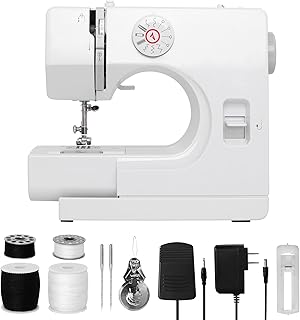


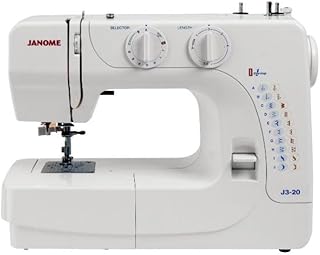
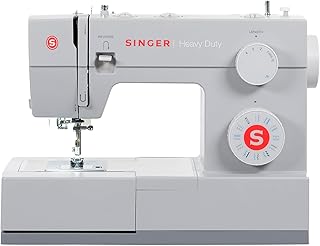


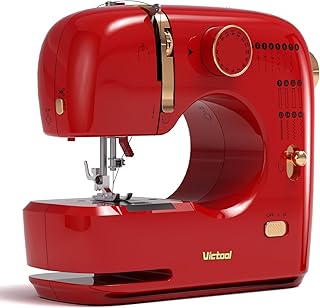


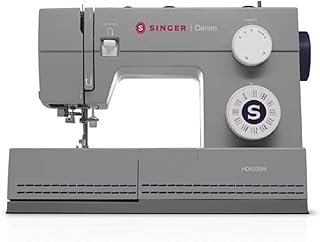


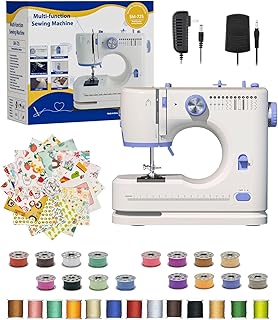


A sewing machine can make everyday repairs and creative projects faster, more consistent and easier to manage. Whether you are learning to sew, making clothes at home, altering garments or working on craft projects, choosing a machine that matches your experience and intended use is important. Sewing machines vary in their stitch options, controls, construction, accessories and suitability for different fabrics, so it is worth considering how you plan to use yours before making a purchase.
For beginners, a straightforward mechanical sewing machine can be a practical starting point. Simple controls and clearly labelled stitch selections can make it easier to learn essential techniques such as straight stitching, zigzag stitching, reverse sewing and basic seam finishing. If you expect to sew regularly or want greater control over settings, an electronic or computerised sewing machine may provide additional convenience through selectable stitch programmes, speed controls and other automated functions.
Dressmaking requires a machine that can handle repeated seams, hems, edges and different fabric weights. When comparing sewing machines for clothing projects, consider adjustable stitch length and width, a useful range of utility stitches and a free arm for sewing smaller areas such as cuffs and sleeves. A machine with smooth speed control can also be helpful when working around curves or when greater precision is needed.
For alterations and everyday garment repairs, versatility can be more valuable than having a large number of decorative stitches. Look for a sewing machine that provides dependable straight and zigzag stitching, easy threading and convenient bobbin access. If you regularly work with heavier materials such as denim or multiple fabric layers, pay particular attention to the machine's fabric-handling capabilities and included presser feet.
Mechanical sewing machines use physical controls to select and adjust stitches. They can appeal to shoppers who prefer a traditional setup and direct control over the machine. Computerised sewing machines use electronic controls and may offer a broader selection of programmed stitches, automated functions and easier stitch selection. The best choice depends on your sewing experience, project requirements and preferred way of working.
When comparing sewing machines, consider the features that will genuinely improve your sewing rather than choosing solely by the number of stitches. Adjustable stitch length and width, variable sewing speed, a built-in light, automatic needle threading and a convenient bobbin system can all make regular sewing more comfortable. Included presser feet can also affect versatility, particularly if you plan to sew buttonholes, zips, hems or decorative seams.
Another important consideration is ease of maintenance. A sewing machine that is straightforward to clean, thread and service can be easier to use consistently. Check the manufacturer's guidance for cleaning, lubrication and compatible needles, bobbins and accessories. Keeping the machine correctly maintained can help support reliable operation over time.
Think about the materials you expect to sew. Lightweight cotton, polyester and similar fabrics are generally suitable for many standard domestic sewing machines. Stretch fabrics can require the right needle, thread and stitch settings, while thicker materials may require a machine designed to cope with additional layers. If your projects cover a wide range of fabrics, prioritise versatility and adjustable controls.
UK shoppers should consider the machine's included accessories, warranty information, power requirements, available support and replacement consumables. It is also useful to think about where the machine will be stored and used. A compact model may be preferable for occasional sewing or smaller workspaces, while a larger machine may provide additional stability and features for frequent projects.
Before choosing a sewing machine, make a short list of the projects you are most likely to undertake. Beginners may benefit from an easy-to-use model with essential stitches, while experienced sewists may want greater stitch variety and control. Comparing specifications carefully can help you identify a machine that offers the right balance of functionality, convenience and value for your sewing routine.
From basic repairs and alterations to dressmaking and creative crafts, the right sewing machine should complement the way you sew. Consider your experience, preferred fabrics, project frequency, available workspace and the features you are most likely to use. By comparing these factors before buying, you can narrow down the available options and choose a sewing machine that supports both everyday tasks and future projects.
Beginners may prefer simple controls and essential stitches, while experienced users may want more advanced settings and greater stitch selection.
Choose features according to whether you mainly sew clothing, make alterations, repair garments, quilt or create craft projects.
Look for useful stitches such as straight, zigzag, stretch and buttonhole stitches rather than selecting a machine based only on the total stitch count.
Think about whether you will sew lightweight fabrics, stretch materials, denim or multiple layers before selecting a machine.
Presser feet, bobbins, needles and other included accessories can affect how versatile and convenient a sewing machine is.
Find sewing machines suited to everyday repairs, dressmaking, alterations, quilting, crafts and creative sewing projects. Compare features, machine types and practical considerations to help choose the right sewing machine for your needs in the UK.