

♥ Wishlist


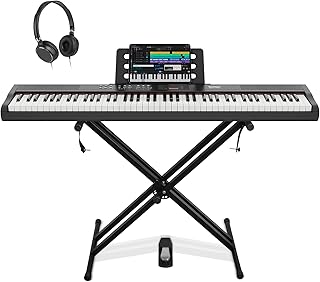


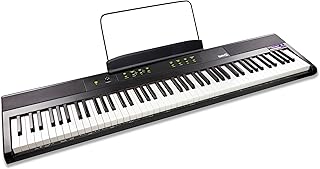

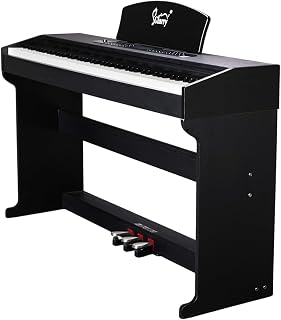



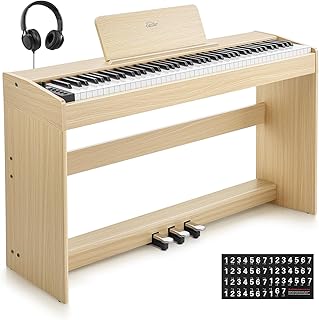




Choosing a piano is an exciting decision, but the wide range of instruments available can make it difficult to know where to begin. From traditional acoustic pianos to modern digital models, different designs offer different playing experiences, features and space requirements. A good choice should match your level of experience, available room, preferred sound and the way you expect to use the instrument.
For UK shoppers, practical considerations can be just as important as musical preferences. The size of the room, floor space, portability and the needs of other people in the household can all influence which piano is most suitable. Digital pianos can be particularly useful for home practice where volume control and headphone use are important, while acoustic instruments appeal to players who value traditional piano construction and natural resonance.
Different piano formats are designed for different environments and playing requirements. Upright pianos are a familiar choice for homes, music rooms and teaching spaces because their vertical construction makes efficient use of floor space. Grand pianos provide a distinctive acoustic experience and are often selected for larger rooms, performance environments and advanced playing.
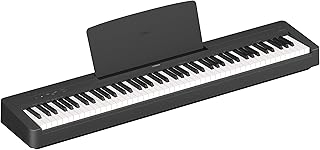
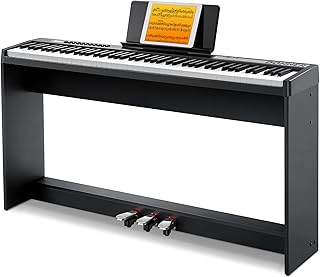
Digital pianos provide another versatile option. They are designed to reproduce the feel and sound of an acoustic piano while offering features such as volume adjustment, headphone connectivity and a variety of sounds. Some models are designed with portability in mind, making them useful for musicians who need to move their instrument between rooms or locations.
Keyboard feel is one of the most important factors to consider. Weighted or hammer-action keys can provide a more piano-like response and may be especially useful for learners who want to develop proper finger technique. Key sensitivity can also affect how expressive the instrument feels when playing softly or with greater force.
Sound quality is another major consideration. Acoustic pianos produce their sound through strings, hammers and a soundboard, while digital instruments use electronic technology and sampled or digitally produced piano tones. Listen for a tone that suits your preferences and consider whether you want a bright, clear character or a warmer, more traditional sound.
Before choosing a piano, measure the intended location carefully. Remember to consider not only the width and depth of the instrument but also clearance for the player, pedals, seating and comfortable movement around it. Upright and digital models can be easier to accommodate in smaller homes, while larger instruments require more dedicated space.
Digital models can also provide useful features for everyday practice. Headphone compatibility allows quiet playing, while built-in voices, recording functions, metronomes and connectivity can support learning and experimentation. If the instrument will be moved regularly, weight, construction and portability should also be considered.
Beginners generally benefit from an instrument that is comfortable to play and encourages regular practice. A reliable keyboard response, clear piano tone and straightforward controls can help new players concentrate on developing technique rather than navigating unnecessary complexity.
Students who are progressing through lessons may want a piano with a more authentic playing response and sufficient tonal control for classical pieces and graded practice. More experienced pianists may prioritise detailed key action, expressive dynamics, sound quality, pedal response and additional performance features.
There is no single piano that is ideal for every player. Think about where the instrument will be used, how often you will practise, whether quiet operation is important and how much space you have available. Consider the type of music you enjoy and whether portability, connectivity or traditional acoustic construction matters most to you.
Comparing specifications carefully can help you narrow down your options. Pay attention to the number and type of keys, key action, dimensions, pedal configuration, sound features and connectivity. For acoustic instruments, construction and maintenance requirements should also be taken into account. By matching these factors with your playing needs and home environment, you can choose a piano that remains useful and enjoyable as your musical skills develop.
Find the right piano for your playing style, space and musical goals. Whether you are a beginner learning your first songs, an experienced pianist practising at home or looking for an instrument for lessons and performance, explore the key features and options to consider when choosing a piano in the UK.