

Our experts reviewed the latest {category_name } to help you compare quality, performance, durability and overall value before making your purchase.


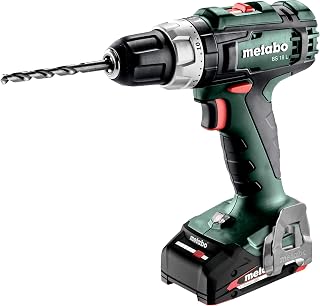


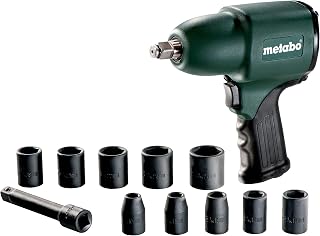

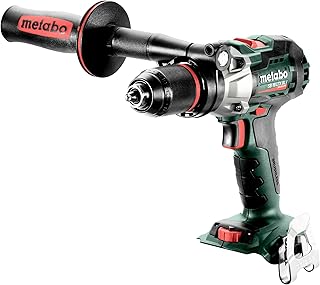


Choosing a Metabo cordless impact tool is about more than selecting the model with the highest torque figure. The right choice depends on the type of fasteners you use, the materials involved, how frequently the tool will be used, the amount of working space available and whether you already own compatible 18V batteries and chargers. One important distinction should be made before comparing specifications: Metabo's range includes both cordless impact drivers and cordless impact wrenches. An impact driver normally uses a 1/4-inch hexagonal bit holder and is primarily intended for driving screws and smaller fasteners. An impact wrench generally uses a square drive, such as 1/2 inch, and is designed around socket-based fastening and higher-torque applications. That distinction matters when comparing apparently similar products. A higher maximum torque figure does not automatically make an impact wrench a better impact driver. The drive interface, speed control, physical size, battery requirements and intended application can be just as important as headline torque. The terminology used by retailers can sometimes make comparisons confusing. Before buying, check the actual drive type rather than relying solely on a product title. For buyers searching specifically for a Metabo cordless impact driver, the SSD 18 LTX 200 BL is particularly relevant because it is an 18V brushless impact driver with a 1/4-inch hexagonal drive. Models in the SSW family should instead be assessed as impact wrenches when their square-drive design and socket compatibility are more appropriate to the job. When comparing Metabo cordless impact tools, the specification sheet should be read as a complete package rather than as a list of isolated numbers. Maximum torque is one of the most visible specifications, but it should not be treated as a universal measure of tool quality. A higher figure can be useful for demanding fastening and loosening tasks, yet excessive torque can be counterproductive when working with smaller screws, delicate materials or fixings that require controlled tightening. For an impact driver, look at the relationship between torque, speed and electronic control. For an impact wrench, maximum torque becomes particularly relevant when removing stubborn nuts and bolts, although actual performance depends on the fastener, socket, battery condition, joint design and duration of impact. No-load speed indicates how quickly the tool's mechanism can rotate without a fastening load. Impact rate indicates how frequently the impact mechanism operates. Neither figure alone tells you exactly how quickly a real fastening job will be completed. Multiple electronic speed or torque settings can be more useful than simply having the highest possible speed. Lower settings allow greater control, while higher settings can improve productivity when working with suitable fasteners and materials. Drive compatibility is a fundamental buying consideration. Never choose a tool simply because its torque rating looks impressive. First establish whether the drive accepts the accessories you already own or intend to purchase. Brushless motors are a major feature across Metabo's professional cordless range. Compared with traditional brushed designs, a brushless motor avoids conventional carbon-brush wear and can deliver efficient operation with electronic motor management. For frequent users, the potential advantages are most relevant when considered alongside the rest of the tool. A brushless motor does not by itself guarantee that a particular model is the best choice; ergonomics, thermal management, controls, battery capacity and application-specific performance still matter. If you already own compatible Metabo 18V equipment, battery compatibility can significantly influence the overall value of a cordless impact tool. Buying a bare tool can make more sense for an existing battery-system user, while a complete kit may be more appropriate for someone entering the platform. Metabo also participates in the Cordless Alliance System, commonly known as CAS. This broader battery platform is designed to allow compatible cordless tools from participating manufacturers to share battery technology within the relevant voltage class. Buyers should nevertheless check the precise compatibility information for the tool, battery and charger rather than assuming that every cordless product is interchangeable. Battery capacity affects more than runtime. A larger battery can increase working time between charges, but it can also add weight to the tool. This creates an important trade-off for anyone using an impact driver overhead, at arm's length or throughout a long working day. For light installation work, a compact battery can produce a more balanced combination of portability and runtime. For repeated high-load fastening, a higher-capacity battery may be preferable where the additional weight is acceptable. Published battery capacity should not be interpreted as a guaranteed number of fixings. Runtime varies with fastener size, material, impact duration, temperature, battery age, operating technique and the amount of load placed on the motor. When comparing complete kits, check whether the quoted battery capacity applies to one battery or the entire package. Also check whether a charger, storage case and additional accessories are included. The Metabo SSD 18 LTX 200 BL belongs to the cordless impact-driver category rather than the larger square-drive impact-wrench category. Its 18V platform, brushless motor, 1/4-inch hexagonal drive and electronic adjustment make it a useful reference point when assessing Metabo's impact-driver offering. Its published maximum torque is 200 Nm, while the tool provides multiple speed and torque settings. It also incorporates Automatic Power Shift, or APS, a control feature intended to reduce torque during particular fastening operations and help limit overtightening. For buyers, the practical significance is control. A tool capable of delivering substantial torque needs to be used with appropriate settings, bits and fasteners. The ability to adjust output can be more useful than operating permanently at maximum power. Metabo's SSW range is worth considering when your work involves sockets rather than screwdriver bits. These tools are cordless impact wrenches, and their higher torque capabilities make them more suitable for applications such as vehicle maintenance, heavy construction fastening, equipment maintenance and loosening stubborn nuts and bolts. Examples within the range include the SSW 18 LTX 300 BL, SSW 18 LTX 400 BL and newer higher-output models. The SSW 18 LTX 300 BL and SSW 18 LTX 400 BL use a 1/2-inch square drive, while their maximum torque ratings are respectively positioned around the 300 Nm and 400 Nm classes. The SSW 18 LTX 550 BL moves into a higher torque class while retaining an 18V format and 1/2-inch square drive. Its published maximum torque is 550 Nm. This illustrates why comparing model numbers solely by name can be misleading: the intended application and output class can vary substantially within the same battery family. Thinking in torque classes can make a large product comparison easier to understand. These categories should be treated as a guide rather than a substitute for the manufacturer's specifications. Maximum torque ratings are not directly comparable across every tool design or manufacturer. Automatic Power Shift, or APS, is one of the features worth examining when comparing compatible Metabo cordless impact tools. Its purpose is to provide additional control during certain fastening and loosening operations rather than simply applying maximum available output throughout the job. For fastening, controlled torque can help reduce the risk of overtightening. For loosening, electronic behaviour can help prevent a fastener from being handled in an uncontrolled manner once it has broken free. APS should not be treated as a replacement for correct torque procedures. Where a manufacturer specifies a precise tightening torque, the final torque should be verified using an appropriate calibrated torque tool where the application requires it. A cordless impact tool can have excellent headline specifications and still be uncomfortable for the intended application. Weight, balance and grip shape become increasingly important during repetitive work. Consider the following before buying: One of the most common buying mistakes is assuming that the most powerful model is automatically the most professional choice. In practice, a compact tool can be more productive when it is used continuously for smaller fasteners. Extra torque can also bring extra mass, larger dimensions and a greater need for careful fastening technique. If most of your work involves standard construction screws, a high-torque impact wrench may be unnecessarily large. Conversely, choosing a compact impact driver for work involving large sockets and stubborn bolts can result in the wrong drive interface and insufficient capability. Start with the job, then select the tool. Professional users should evaluate an impact driver differently from occasional DIY buyers. Daily use places greater emphasis on durability, battery availability, ergonomics, serviceability and consistency. DIY buyers often benefit from avoiding unnecessary specification chasing. If the tool will only be used occasionally for furniture assembly, decking, timber construction and general home maintenance, an extremely high-torque impact wrench may offer little practical benefit. A compact 18V impact driver with sensible electronic control can be a more versatile addition to a home workshop, particularly when compatible batteries are already available. However, anyone who regularly works on vehicles should look at impact wrenches instead. Removing wheel nuts, suspension fasteners and other substantial bolts calls for a socket-based tool designed for that purpose. A useful comparison should contain more than model names and maximum torque. Build a shortlist using the following criteria. Torque is attractive because it is easy to put into a table, but it is only one part of performance. A tool with a lower maximum torque can be the better purchase if it is lighter, more controllable and better suited to the fasteners being installed. For example, a professional who spends most of the day driving construction screws may gain more from a compact impact driver with useful speed control than from a substantially heavier high-torque impact wrench. Likewise, an automotive technician looking for a socket-based tool should not choose a hex-drive impact driver simply because its published torque figure appears competitive. Maximum torque is not a quality score. Select output according to the application and fastener size. This is one of the most significant mistakes because the accessories and intended applications are different. Always check the drive interface. A high-capacity battery may provide more runtime but can make a compact tool noticeably heavier. Think about how the tool will actually be held during a full working session. Bare-tool packages can be excellent value for existing platform users but can become poor value if you subsequently need batteries and a charger. Impact mechanisms place different demands on accessories. Use bits and sockets that are specifically suitable for impact applications and follow the accessory manufacturer's guidance. A published maximum torque figure should not be treated as a calibrated tightening setting. If a fastening specification calls for a defined torque, use the correct torque-control procedure. A capable impact tool can be undermined by poor-quality, worn or inappropriate bits and sockets. Impact-rated accessories are particularly important for high-load applications. There is no single best battery size for every Metabo impact tool user. For intensive work, owning more than one battery can be more useful than buying one exceptionally large battery. It allows one pack to charge while another is in use, provided the charger and battery system are appropriate. Cordless impact tools are designed for demanding work, but sensible maintenance can help preserve performance and reliability. Impact tools can generate substantial mechanical force, so safe operating practice matters even when the tool feels straightforward to use. The tool itself is only part of the system. A sensible accessory selection can make a noticeable difference to usability. Do not select accessories solely because they fit physically. Confirm that their rating and intended use are appropriate for an impact mechanism. Customer ratings can help with commercial comparison, but a single average score rarely provides enough information to make a technical buying decision. Look for repeated comments about the same issue. Pay particular attention to feedback concerning battery compatibility, balance, trigger control, chuck or drive retention, durability, heat management, charger behaviour and the suitability of the tool for the type of work you intend to perform. Also distinguish between reviews of the tool itself and reviews of a particular retailer's packaging, delivery or customer service. These can be useful when assessing a retailer, but they do not necessarily indicate how the tool performs. The best-value Metabo cordless impact tool is not necessarily the cheapest model. Value comes from matching capability to usage. When checking today's prices, compare like-for-like configurations. A bare tool and a complete kit can look dramatically different in price while offering fundamentally different contents. Choose an impact driver when most of your work involves screws and hex-shank accessories, particularly where a compact cordless tool is more useful than a socket wrench. An impact wrench is generally the more appropriate choice when your work revolves around nuts, bolts and sockets. An impact driver is not a universal replacement for a drill driver. If you frequently need to drill holes in timber, metal or other materials, a conventional drill driver may be the more useful primary tool. A drill driver provides a chuck for drilling accessories and controlled screwdriving, while an impact driver is optimised around impact-assisted fastening. Many professional users ultimately benefit from owning both because they solve different problems. If masonry drilling is a regular requirement, consider a suitable hammer drill or rotary hammer rather than expecting an impact driver to perform the same job. Impact drivers are primarily fastening tools and should not be treated as substitutes for dedicated drilling equipment. For general fastening, the strongest candidate is usually the model that offers enough torque without becoming unnecessarily heavy or specialised. The Metabo SSD 18 LTX 200 BL is the type of model to investigate when you specifically need an impact driver with a 1/4-inch hex drive and 18V battery platform. If your definition of general use includes wheel nuts, large bolts and socket-based mechanical work, shift your comparison towards the SSW impact-wrench range instead. Heavy-duty buyers should begin with the required drive size and torque class rather than selecting from conventional impact-driver models. Metabo's SSW range includes progressively higher-output options, allowing buyers to compare compact general-purpose wrenches with substantially more powerful machines. For demanding applications, check the manufacturer's complete specification for maximum tightening torque, loosening capability, speed, impact rate, weight and recommended accessories. These details are more informative than a simple statement that a tool is "high torque". If you already have suitable Metabo 18V batteries and chargers, a bare-tool configuration can be an efficient way to expand your collection. Before purchasing, confirm that the battery voltage and system are compatible with the exact model. This approach can also reduce duplication of chargers and batteries, particularly for tradespeople who use several cordless tools throughout the day. New cordless-tool users should compare complete kits rather than bare tools. The cost of batteries and a charger can materially change the overall value proposition. Check exactly what is included: number of batteries, battery capacity, charger model, storage case and accessories. Two kits with the same tool name may have substantially different contents depending on the retailer and market configuration. Use this checklist when comparing individual models on the page. It helps prevent a specification-heavy comparison from overlooking practical factors. The best model depends on the application rather than a single universal ranking. For screwdriving applications, focus on a suitable 1/4-inch impact driver with enough torque, useful electronic control and a comfortable working weight. For socket-based fastening, compare Metabo's SSW impact wrenches instead. Metabo has a long-established professional power-tool range and offers cordless impact drivers and impact wrenches across different output classes. The important question is whether the individual model matches your application, battery platform and accessory requirements. For many screwdriving and fastening applications, 200 Nm represents a substantial level of maximum torque. Whether it is enough depends on the fastener, material and application. Maximum torque should not be confused with the torque required for every job. The SSD designation is associated with Metabo cordless impact drivers, while SSW models are cordless impact wrenches. The key practical difference is the drive interface and intended application: SSD models are aimed at hex-bit fastening, whereas SSW models are designed for socket-based fastening. Compatibility depends on the specific battery and tool system. Metabo's 18V ecosystem and CAS compatibility provide broad options, but buyers should verify compatibility for the exact tool, battery and charger rather than assuming that every 18V product is interchangeable. A bare tool can be a sensible choice if you already own compatible batteries and a charger. If you are new to the platform, compare the total cost of a bare tool plus battery and charger against a complete kit. No. A higher-capacity battery can provide greater runtime, but it may also add weight. The ideal battery depends on whether your priority is maximum runtime, low weight or a balance between the two. An impact driver is not normally the first choice for automotive wheel-nut work. A suitable impact wrench with the correct square drive and impact-rated socket is generally the more appropriate tool category. Use sockets specifically suitable for impact-wrench applications and compatible with the tool's drive size. Ordinary hand-tool sockets may not be designed for repeated impact loading. Not necessarily. Actual productivity depends on the fastener, material, speed, impact mechanism, accessory and operator technique. Excessive torque can also make delicate fastening less controllable. A brushless model can be attractive for users who value efficiency, durability and reduced brush wear, particularly for frequent cordless work. Occasional users should still compare the complete tool rather than choosing solely because the motor is brushless. Follow the manufacturer's maintenance instructions for the exact model. Routine care should include keeping ventilation areas clean, inspecting accessories and drive components, looking after batteries and removing damaged accessories from service. Compare like-for-like packages. Check whether each listing is a bare tool or includes batteries, a charger, case and accessories. A lower headline price may simply reflect a different kit configuration. The strongest Metabo cordless impact-tool choice is the one that matches the job rather than the one with the largest specification. Start by deciding whether you need a 1/4-inch impact driver or a square-drive impact wrench. Then compare torque, speed, control settings, weight, dimensions, battery compatibility and kit contents. For general screwdriving and construction fastening, investigate the SSD impact-driver range and pay particular attention to compactness, control and battery balance. For automotive, equipment maintenance and heavy socket-based fastening, compare the SSW impact-wrench models by drive size and torque class. Before purchasing, check the exact manufacturer's specifications, current package contents, warranty terms and compatibility information. Read verified customer reviews for the particular model and configuration, then compare today's prices from trusted retailers. Taking these steps makes it much easier to identify the Metabo cordless impact tool that provides the right combination of capability, control, ergonomics and long-term value for your work.How to Choose the Right Metabo Cordless Impact Driver
Metabo Impact Driver vs Impact Wrench: What Is the Difference?
Key Specifications to Compare
Maximum Torque
Speed and Impact Rate
Drive Type
Brushless Motor Technology
Why the 18V Metabo Platform Matters
LiPOWER and LiHD Battery Choices
Battery Condition and Real-World Performance
Metabo SSD 18 LTX 200 BL: What to Look For
Metabo SSW 18 LTX Models: When an Impact Wrench Makes More Sense
Torque Classes Explained
What Is Automatic Power Shift?
Ergonomics: The Specification Buyers Often Miss
Compactness vs Maximum Power
Impact Driver Buying Guide for Tradespeople
Buying Guide for DIY Users
How to Compare Metabo Cordless Impact Tools Side by Side
Do Not Compare Torque Alone
Common Buying Mistakes
Buying the Highest Torque Model
Confusing an Impact Driver With an Impact Wrench
Ignoring Battery Weight
Buying a Bare Tool Without Checking Battery Compatibility
Using Ordinary Bits in an Impact Driver
Assuming Maximum Torque Equals Tightening Torque
Ignoring Accessory Quality
Choosing the Correct Battery Capacity
Maintenance and Care
Safety Considerations When Using an Impact Driver
Metabo Impact Driver Accessories Worth Considering
How to Read Customer Reviews Properly
Value for Money: What Should You Actually Pay For?
When a Metabo Impact Driver Is the Better Choice
When a Metabo Impact Wrench Is the Better Choice
When You Should Buy a Drill Driver Instead
When You Should Buy a Hammer Drill Instead
Best Metabo Cordless Impact Tool for General Use
Best Metabo Option for Heavy-Duty Fastening
Best Option for Existing Metabo Battery Owners
Best Option for Buyers Starting From Scratch
Questions to Ask Before Buying
Metabo Cordless Impact Driver Comparison Checklist
Frequently Asked Questions
Which Metabo cordless impact driver is best?
Is Metabo a good brand for cordless impact tools?
Is 200 Nm enough for an impact driver?
What is the difference between the Metabo SSD and SSW ranges?
Are Metabo 18V batteries interchangeable?
Should I buy a bare Metabo impact driver?
Is a higher Ah battery always better?
Can an impact driver remove wheel nuts?
Can I use normal sockets on a Metabo impact wrench?
Does more torque mean faster work?
Do I need a brushless impact driver?
How often should Metabo cordless impact tools be maintained?
How should I compare prices between Metabo models?
Final Buying Advice
Quick Decision Guide