

♥ Wishlist


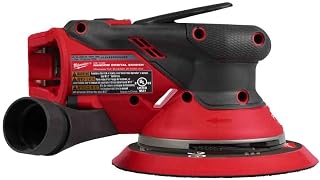
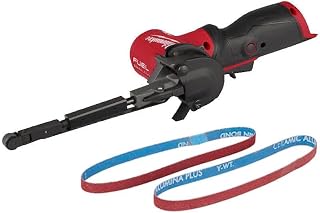


Milwaukee cordless sanders provide a practical solution for smoothing, preparing and finishing a wide range of materials. Whether you are preparing timber before painting, removing an existing finish, refining edges or completing detailed finishing work, the right sanding tool can help make repetitive surface preparation more manageable. Choosing a cordless model also gives you greater freedom to move around a workshop, jobsite or renovation area without having to manage a trailing mains cable.
For UK tradespeople, installers, joiners, furniture makers and serious DIY users, the most suitable sander depends on the type of work being completed. Consider the surface area, desired finish, sanding intensity and available workspace before selecting a model. A compact sander can be useful for controlled finishing and smaller areas, while a larger sanding platform may be more appropriate when covering broad surfaces efficiently.
One of the main advantages of Milwaukee cordless sanders is mobility. Without a mains lead, you can move around a workbench, room or construction area with fewer restrictions. This can be particularly useful during renovation projects where electrical access is inconvenient or when several tools are being used at the same time.
Cordless operation can also help keep a workspace less cluttered. Instead of routing a power cable around benches, floors or partially completed projects, the sander can be powered by a compatible rechargeable battery system. For users already working with compatible Milwaukee cordless tools, battery platform compatibility may be an important consideration when building or expanding a tool collection.
Another benefit is versatility. Sanding is often one stage of a larger project that may include cutting, drilling, fastening, painting or installation. A cordless sander can be carried alongside other tools and used where it is needed without depending on the location of a socket.
Surface preparation is an important part of many woodworking and renovation tasks. Before applying paint, varnish, stain or another finish, a smooth and properly prepared surface can help produce a more consistent result. Cordless sanders can be used on suitable timber surfaces for tasks such as smoothing rough areas, preparing previously finished wood and refining surfaces between finishing stages.
They can also be useful for renovation work where portability matters. Doors, cabinets, shelving, trim and other wooden components may need sanding before repair or refinishing. A cordless design allows the tool to be taken directly to the workpiece, helping reduce the need to reposition larger items simply to reach a power source.
When choosing a sander, pay attention to the type of sanding action, pad or sanding surface, ergonomic design, dust-management features and battery requirements. These characteristics can affect control, comfort and suitability for different applications.
Start by identifying the type of work you regularly perform. If you mainly complete detailed finishing jobs, control and manoeuvrability may be more important than maximum sanding coverage. For larger woodworking projects, efficient material removal and a suitable sanding area may be higher priorities.
Battery compatibility is another key consideration. If you already own compatible Milwaukee cordless equipment, selecting a sander that uses the same battery platform may help simplify your setup. If you are new to the platform, check carefully whether the product is supplied with a battery and charger or whether these need to be purchased separately.
Comfort can also make a significant difference during extended sanding. Look for features that support controlled handling and reduce unnecessary strain during repetitive work. Dust collection should also be considered, particularly when sanding indoors or preparing surfaces for a high-quality finish. Always use appropriate personal protective equipment and follow the manufacturer's instructions for the specific tool and material.
Milwaukee cordless sanders can be a useful addition to a workshop, trade tool kit or home renovation collection when portability and cordless convenience are important. By comparing the available sanding format, battery requirements, handling characteristics and intended application, you can narrow the selection to a tool that suits your regular projects.
For UK shoppers, consider the type of work you expect to undertake most often rather than choosing solely on headline specifications. A well-matched cordless sander can help with everyday surface preparation while fitting neatly into a wider cordless tool setup. Before purchase, check the product specification, included accessories, battery requirements and manufacturer's guidance to ensure the selected model meets your needs.
Milwaukee cordless sanders are designed for convenient, cable-free sanding across woodworking, renovation, installation and general finishing applications. With no mains cable restricting movement, a cordless sander can make it easier to work around furniture, timber, doors, panels and other surfaces, particularly where access to a power socket is limited. This category brings together Milwaukee sanding solutions for UK shoppers looking for practical performance, portability and compatibility with a professional cordless tool system.