

♥ Wishlist


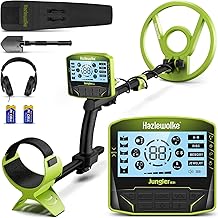


A metal detector is a specialist electronic device designed to detect metallic objects beneath or close to the ground. Metal detectors are widely used for recreational detecting, coin hunting, relic searching, jewellery hunting and locating buried metallic items. For UK shoppers, the best metal detector depends on where you intend to search, what types of targets you hope to find and how much control you want over detection settings.
When choosing a metal detector, it is useful to look beyond the headline price. Important features can include detection modes, sensitivity adjustment, discrimination controls, target identification, search depth, coil size, operating frequency, display information and overall weight. A simple detector can be a practical choice for beginners, while experienced users may prefer more advanced controls that allow greater adjustment for different ground conditions and target types.
Beginner-friendly metal detectors are designed to make the learning process straightforward. Easy-to-use controls and clearly presented target information can help new users understand how a detector responds to different objects. A comfortable search coil and manageable overall weight are also worth considering if you expect to spend several hours detecting outdoors. For family activities or occasional weekend use, simplicity and ease of handling may be more valuable than a long list of advanced settings.
For coin hunting, look for a detector that provides useful target identification and discrimination features. These functions can help users distinguish potentially interesting metal targets from some unwanted objects. Jewellery hunting can benefit from sensitive detection and suitable search modes, while relic hunting may require a detector capable of handling changing ground conditions. The ideal specification therefore depends on the type of detecting you plan to do rather than simply choosing the most powerful-looking model.
Search coil design is another important consideration. The coil is responsible for transmitting and receiving the electromagnetic signal used to detect metal. Larger coils can cover more ground during each sweep, while smaller coils can be useful when searching around obstacles or in areas where precise target location is important. Coil choice can therefore affect both coverage and ease of use, and compatible replacement or accessory coils may provide additional flexibility for experienced detectorists.
Ground conditions can also influence detector performance. Soil mineralisation, wet sand, iron-rich ground and other environmental factors may affect detection behaviour. Some metal detectors provide ground balancing or related adjustment features to help users achieve more consistent performance in challenging conditions. If you intend to search across different locations in the UK, considering how a detector handles varied ground conditions can be particularly useful.
Portability is important for outdoor detecting. A lightweight detector with an adjustable shaft can be easier to carry, transport and use comfortably. Battery life is another practical consideration, particularly when planning longer detecting sessions away from home. Before buying, check the manufacturer's stated battery requirements and operating information so you can prepare suitable power supplies or replacement batteries where applicable.
Water resistance should also be checked carefully rather than assumed. Some detectors are designed for use in damp environments, while others may only offer limited protection from splashes or moisture. If beach detecting, shallow-water searching or wet-ground detecting is part of your plan, always check the specific detector's stated water-resistance capabilities and the permitted depth before use.
Accessories can make a metal detecting setup more convenient. Depending on the detector and your intended use, useful additions may include headphones, digging tools, search coil covers, carrying bags, protective equipment and target recovery tools. Buying compatible accessories can improve portability and make it easier to recover detected objects while reducing unnecessary disturbance to the surrounding ground.
UK detectorists should also consider where and how they intend to search before heading outdoors. Permission may be required on private land, and different parks, beaches, historic sites and other locations can have their own rules. Areas containing archaeological remains or protected sites can be subject to additional restrictions. Responsible detecting means checking the applicable rules, obtaining permission where necessary, respecting the environment and following any local requirements before beginning a search.
Whether you are buying your first detector or replacing an older model, comparing specifications against your actual detecting habits is the best way to narrow the choices. Consider your experience level, preferred targets, typical terrain, portability requirements and desired controls. A well-matched metal detector can provide an enjoyable way to explore the outdoors while giving you the features needed for your particular style of detecting.
Discover metal detectors for outdoor searching, hobby detecting, coin hunting, relic hunting and finding buried metal objects. Whether you are new to metal detecting or looking to upgrade your equipment, choosing the right detector can make searching more enjoyable and productive. This category brings together metal detector options suited to different experience levels, search environments and detecting goals, helping UK shoppers compare features before making a purchase.