

♥ Wishlist


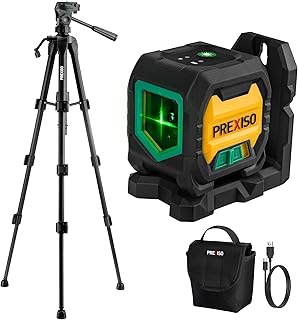






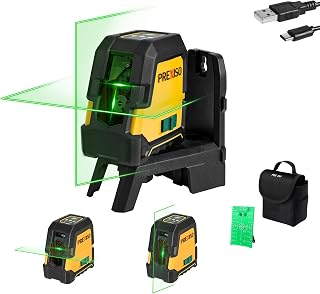


A Makita Line Laser Level is designed to make alignment and levelling tasks more straightforward by projecting visible laser reference lines across walls, floors and other working surfaces. Instead of repeatedly measuring from different points, you can use a projected line as a consistent reference while positioning fixtures, fittings, boards, cabinets and other components. For UK tradespeople, installers, renovators and capable DIY users, this can make accurate layout work more efficient.
When comparing Makita line laser levels, start by considering the type of work you normally undertake. A basic cross-line configuration can be useful when a project requires both horizontal and vertical references, while more advanced configurations may provide additional projected lines for more complex alignment tasks. Think about whether you primarily work indoors, need greater visibility over longer distances, or require a tool that can cope with demanding site conditions.
Line lasers have a wide range of practical applications. They can help with installing kitchen units, aligning shelving, positioning sockets and switches, fitting wall panels, laying out partitions and checking the alignment of fixtures. They can also be useful for decorating and renovation projects where a straight reference is needed for features such as tiling, panelling or cabinetry.
For construction and installation professionals, a laser line can reduce the need for repeated manual measurements. A clearly projected reference may help when transferring level or plumb positions around a working area. However, the appropriate model depends on the working environment, required range, visibility conditions and the precision demanded by the particular job.
Before choosing a Makita Line Laser Level, compare the features that directly affect how and where you will use the tool. Laser configuration is important because different projects may require horizontal lines, vertical lines, cross lines or multiple reference planes. Visibility is another consideration, particularly when working in bright indoor environments or near windows.
Self-levelling functionality can be valuable for users who want the projected reference to establish itself quickly after positioning the tool. Mounting and positioning options should also be considered, as a stable setup can make alignment easier. Depending on the model, additional features may include locking functions, pendulum protection, compact construction and compatibility with suitable accessories.
UK users may choose a line laser for professional construction, electrical installation, carpentry, kitchen fitting, plumbing, flooring, decorating or home improvement. The right tool should match the demands of the application rather than simply being selected on specifications alone. Consider how frequently the laser will be used, whether it needs to be transported between sites, and whether its operating controls are convenient for your normal workflow.
Portability can be particularly useful for tradespeople moving between rooms or job sites. A compact design is easier to store and transport, while robust construction can be beneficial for regular trade use. If the tool will be used outdoors or in brighter conditions, pay close attention to the stated visibility and operating requirements rather than assuming every line laser will perform identically.
Start by identifying the lines you need for your work. Next, consider visibility, levelling functionality, working range, mounting arrangements and power requirements. Battery compatibility may also matter if you already use other compatible equipment, although the exact battery system should always be checked against the individual product specification.
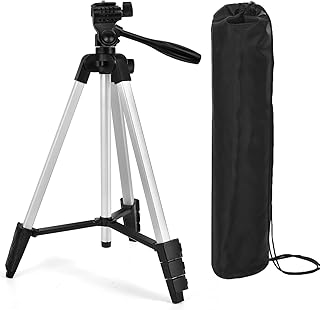
It is also worth considering the accessories required for your application. A suitable tripod, mounting solution, target or other accessory can make a laser level easier to position and use. Always check the manufacturer's specifications for accuracy, operating range, environmental limitations and included accessories before purchasing.
Whether you are completing a professional installation or improving your home, a suitable Makita Line Laser Level can provide a practical reference for accurate layout work. Compare available models according to your project requirements, the type of laser lines needed and the conditions in which the tool will be used.
For the best result, choose a model based on the actual tasks you perform rather than selecting solely by price or appearance. Check the product specification carefully, use the laser according to the manufacturer's instructions and verify measurements where necessary. With the right combination of laser configuration, visibility, positioning and functionality, a Makita line laser can become a useful part of a professional or DIY measuring kit.