

♥ Wishlist










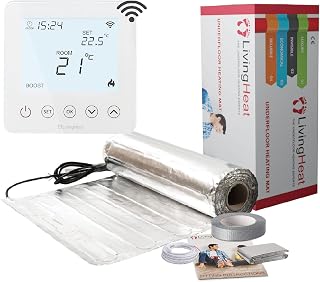


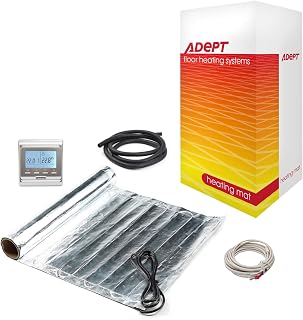


Floor heating is a popular way to create comfortable, evenly distributed warmth without relying entirely on conventional wall-mounted radiators. Underfloor heating works beneath the finished floor surface, allowing heat to rise gradually through a room. This can be particularly useful in kitchens, bathrooms, bedrooms, living areas and extensions where homeowners want a clean-looking heating solution with minimal visible equipment.
When choosing floor heating in the UK, it is important to consider the type of system, room size, floor construction, insulation, heating controls and installation requirements. Electric underfloor heating systems generally use heating cables, mats or similar electrical elements installed beneath the floor finish. Water-based systems circulate heated water through pipes and are often considered during larger renovation or new-build projects. The right option depends on the property, available heating infrastructure and the intended installation.
Electric underfloor heating can be a practical choice for individual rooms and smaller renovation projects. Heating mats and cables can be installed beneath suitable floor finishes, helping provide consistent warmth across the available heated area. Electric systems may also be useful where connecting a new heating circuit to an existing wet central-heating system would be difficult.
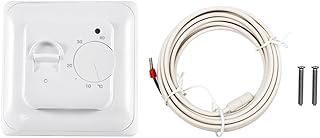
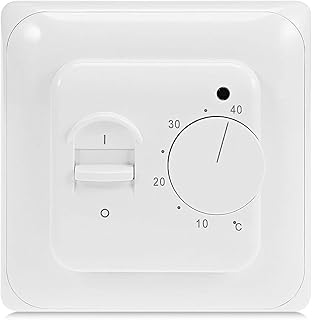
Before purchasing an electric floor heating product, check its power requirements, dimensions, installation depth, floor compatibility and control options. A suitable thermostat or programmable controller can help manage heating periods and room temperature. Electrical installation should be completed in accordance with applicable UK requirements and by a suitably qualified professional where required.
Wet or water-based underfloor heating uses pipes installed within or beneath the floor structure to circulate warm water. These systems can work particularly well across larger areas and may be incorporated into new-build properties or substantial refurbishment projects. They can also be designed alongside suitable low-temperature heating sources.
Planning is important with wet underfloor heating because pipe layout, floor construction, insulation, manifolds, flow temperatures and heat-source compatibility all influence performance. Buyers should review technical specifications carefully and ensure the system is suitable for the property before installation.
Start by identifying the room or rooms where floor heating will be installed. Measure the usable heated floor area rather than simply relying on the total room dimensions, because fixed furniture, kitchen units and other permanent fixtures may not require heating beneath them. The floor covering should also be considered because different materials have different thermal characteristics and installation requirements.
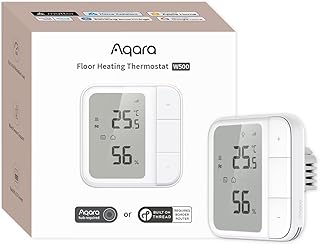
Floor insulation is another important consideration. Good insulation can help reduce downward heat loss and improve the effectiveness of a heating system. Thermostats, sensors and programmable controls can provide additional control over when the heating operates, which can be especially useful for households with regular daily schedules.
A floor heating installation can require more than the heating element itself. Depending on the system, accessories may include thermostats, temperature sensors, insulation boards, fixing components, connection equipment and other installation products. Compatible controls can make it easier to adjust temperatures and heating schedules.
Always check compatibility between individual components before purchasing. Product specifications should be reviewed for voltage, output, dimensions, sensor compatibility, installation method and approved floor types. Where a system forms part of a wider heating installation, professional advice can help ensure the components work together correctly.
Bathrooms are a common application for underfloor heating because warm flooring can make tiled surfaces more comfortable underfoot. Kitchens and open-plan living spaces can also benefit from an evenly distributed heating solution. For bedrooms and other living areas, floor heating can provide background warmth without occupying wall space needed for furniture or storage.
Every installation should be assessed according to the floor construction and finished floor covering. Tiles, stone, laminate, engineered timber and other materials may have specific compatibility requirements. Follow the manufacturer's installation instructions and use appropriate professionals for electrical, plumbing or structural work where necessary.
When comparing floor heating products, consider more than the initial purchase price. Look at the heated area, installation method, energy requirements, control features, floor compatibility and required accessories. A system that appears inexpensive may need additional components, while a more comprehensive kit may simplify installation by including compatible controls or fitting materials.
For UK shoppers, it is also sensible to check product documentation, warranty information and installation guidance before ordering. Careful planning can help you select a system that matches the room, floor construction and heating requirements of your project.
Discover practical floor heating solutions designed to make rooms more comfortable and evenly heated. Explore underfloor heating systems, heating components, controls and accessories suitable for a range of UK residential and renovation projects.
| Floor Heating Type | Typical Application | Main Consideration | Control Options |
|---|---|---|---|
| Electric Heating Mats | Bathrooms, kitchens and individual rooms | Floor area and electrical requirements | Thermostat and programmable controls |
| Electric Heating Cables | Rooms with more flexible layouts | Cable spacing and installation method | Compatible thermostat controls |
| Water-Based Heating | New builds and larger renovation projects | Pipe layout and heating-system compatibility | Room controls and manifold controls |
| Heating Accessories | New or replacement installations | System compatibility | Depends on the connected heating system |