

♥ Wishlist




Large appliances play an important role in making everyday household tasks easier, faster and more convenient. Whether you are replacing an older appliance, furnishing a new home or upgrading your kitchen and utility area, the right appliance can make a noticeable difference to your daily routine. The large appliances category can include major household equipment such as refrigerators, freezers, washing machines, tumble dryers, dishwashers, ovens, cookers and other full-size domestic appliances.
For UK shoppers, choosing a large appliance is about more than finding the lowest price. Available floor space, installation requirements, household size, capacity, controls, energy consumption and long-term running costs can all influence the best choice. A carefully selected appliance should fit comfortably into its intended location while providing the functions you actually need.
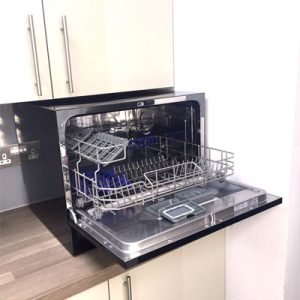
Kitchen appliances can support cooking, food storage and cleaning. Refrigerators and freezers are available in different configurations and capacities, while ovens, cookers and other cooking appliances can be selected according to the type of meals you prepare and the space available in your kitchen. Dishwashers can also be useful for households looking to reduce the time spent washing dishes by hand.
Washing machines and tumble dryers are popular choices for utility rooms, kitchens and other suitable areas. Capacity is particularly important for laundry appliances. Smaller households may prefer a compact or lower-capacity model, while larger families may benefit from a machine that can handle bigger loads. When selecting a tumble dryer, consider available ventilation requirements, installation space and the type of drying technology used.
Refrigerators and freezers need to provide sufficient storage without overwhelming the available kitchen space. Think about the number of people in your household, your shopping habits and how much fresh or frozen food you normally store. Measurements are especially important because an appliance that looks suitable online still needs to fit through doors and into its final position.
Start by measuring the space where the appliance will be installed. Check height, width and depth, while also allowing enough room for doors, drawers, ventilation and connections where required. It is also worth measuring access routes, including doorways, hallways and stairways, before ordering a full-size appliance.
Next, consider capacity. Buying an appliance that is too small may mean running it more frequently, whereas an unnecessarily large model can take up valuable space and may not suit your routine. Look at the manufacturer's stated capacity and think about how it relates to your household's normal usage rather than choosing solely on appearance.
Energy efficiency is another important consideration for UK households. Appliance energy labels provide useful information that can help shoppers compare models more easily. A lower purchase price does not necessarily represent the lowest overall cost, so consider expected electricity consumption and how frequently the appliance will be used.
Modern large appliances can include a wide range of functions. Useful features may include adjustable programmes, temperature controls, delayed start settings, automatic sensors, flexible storage layouts, rapid cycles and easy-to-clean surfaces. Smart connectivity is available on some models and can provide additional controls or notifications through compatible devices.
However, more features are not automatically better. Focus on functions that genuinely match your household requirements. A straightforward appliance with controls you understand and programmes you will regularly use can be a better fit than a feature-heavy model that adds complexity without providing meaningful benefits.
Small households, couples and individuals often have different requirements from busy family homes. Compact dimensions and moderate capacity can be useful where space is limited, while larger households may prioritise increased storage or washing capacity. If you regularly entertain guests or cook large meals, additional capacity may also be valuable.
For homes with limited kitchen or utility-room space, check whether an appliance is freestanding or designed for an integrated installation. Integrated appliances can create a coordinated appearance, while freestanding models can offer greater flexibility when replacing equipment or changing the layout.
Comparing several large appliances before making a purchase can help you identify the right balance between price, specifications and useful features. Look beyond headline discounts and compare dimensions, capacity, programmes, energy information, installation requirements and warranty details where available.
It is also sensible to consider how the appliance will be delivered and installed. Large domestic appliances can be heavy and difficult to move, so check the delivery conditions and installation requirements before ordering. If an old appliance needs removing, confirm whether this service is available as part of the purchase or needs to be arranged separately.
The best large appliance is one that fits your space, matches your household's needs and provides useful performance without unnecessary compromises. Take accurate measurements, establish the capacity you need and compare the features that matter most to you. By considering purchase price alongside energy use, usability and practical installation requirements, UK shoppers can make a more informed decision when upgrading essential household equipment.
Find the right large appliances for your home with a practical selection designed around everyday UK household needs. From kitchen essentials to laundry appliances, choosing the right model means balancing capacity, dimensions, energy use, features and price. Explore large appliances with your available space and household routine in mind, then compare the options that best suit the way you live.