
♥ Wishlist







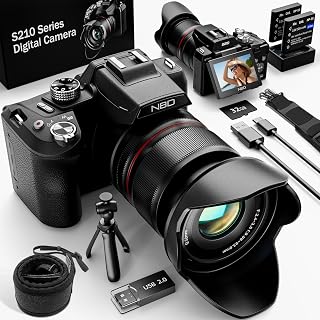


Choosing a camera is about more than simply looking at megapixels. The best camera for you depends on how you plan to use it, where you will take it and the type of photographs or video you want to create. A compact model can be convenient for holidays and everyday photography, while a mirrorless or DSLR camera can provide greater control over lenses, exposure and creative shooting. Understanding these differences can make it easier to narrow down your options.
Digital cameras are available in several formats, each designed around different priorities. Compact cameras are generally lightweight and convenient, making them suitable for travel, casual photography and users who prefer a straightforward shooting experience. Mirrorless cameras combine interchangeable lenses with a relatively compact body and are popular among enthusiasts and creators who want flexibility without carrying a particularly large camera system.
DSLR cameras remain relevant for photographers who appreciate optical viewfinders, extensive lens choices and familiar physical controls. Action cameras are designed for active lifestyles, outdoor activities and situations where a small, rugged camera is useful. Bridge cameras can offer extensive zoom ranges while keeping the convenience of a fixed-lens design. When comparing these categories, consider whether portability, lens flexibility, zoom, durability or ease of use is most important to you.
Sensor size is an important consideration because it can influence image quality, low-light performance, depth of field and the overall size of the camera system. Larger sensors are often preferred by photographers seeking greater control over image characteristics, although smaller sensors can offer advantages in portability and affordability.
Resolution is another specification to consider. A higher pixel count can provide useful detail and cropping flexibility, but it is not the only factor that determines image quality. Autofocus performance, lens quality, image stabilisation, processing capabilities and shooting speed can all make a noticeable difference in practical use.
If video is important, check the supported recording resolutions and frame rates, autofocus behaviour, microphone connectivity, stabilisation and storage requirements. Features such as 4K recording can be useful for creators who want detailed footage and flexibility when editing or cropping video.
Travel photography often requires a balance between image quality and portability. A lightweight camera can be easier to carry throughout a day of sightseeing, while a versatile zoom can reduce the need to change lenses or carry additional equipment. Weather resistance may also be useful for photographers who expect to shoot outdoors in changing conditions.
Battery life and charging options are worth checking before travelling. It can be useful to consider spare batteries, compatible charging equipment and memory card capacity, particularly when you expect to take many photographs or record extended video.
For beginners, a camera with intuitive controls and useful automatic shooting modes can provide an easier introduction to photography. As your confidence grows, manual exposure controls, interchangeable lenses and customisable settings can provide more opportunities to experiment.
Look beyond the camera body when planning a purchase. The available lens system, accessories, memory cards, batteries and carrying solutions can affect the long-term cost and usability of a camera. A model with a strong ecosystem may provide more opportunities to upgrade as your photography develops.
Mirrorless and DSLR cameras can both produce high-quality photographs, but their designs differ. Mirrorless cameras do not use the traditional mirror mechanism found in DSLRs and commonly provide electronic viewfinders or rear-screen composition. This can allow manufacturers to produce compact bodies while offering advanced features and interchangeable lenses.
DSLRs use an optical viewfinder and a reflex mirror system. Some photographers prefer the traditional handling and optical viewing experience. The right choice depends on your preferred shooting style, available lenses, body size, controls, budget and whether you are buying new equipment or building on an existing collection.
Before choosing a camera, consider your main subjects, preferred shooting style and typical environment. Check sensor type and size, resolution, autofocus, stabilisation, video capabilities, lens compatibility, display and viewfinder design, battery life, connectivity and storage requirements. Also consider the physical size and weight because a camera that is easy to carry is more likely to be used regularly.
UK shoppers should also think about the accessories they may need. A suitable memory card, camera bag, spare battery, tripod or protective equipment can make a camera more practical. If you are buying an interchangeable-lens camera, check the cost and availability of compatible lenses before making your final decision.
A simple comparison can help identify which camera features matter most for your needs. Use the following guide as a starting point rather than treating any one camera type as universally better than another.
| Camera Type | Best Suited To | Main Advantage | Consider Before Buying |
|---|---|---|---|
| Compact Camera | Travel and everyday photography | Portable and convenient | Lens and sensor limitations vary by model |
| Mirrorless Camera | Enthusiasts, creators and photography | Interchangeable lenses and advanced controls | Lens and accessory costs |
| DSLR Camera | Photography enthusiasts and traditionalists | Optical viewfinder and extensive lens options | Body and lens size can be substantial |
| Bridge Camera | Travel and long-distance subjects | Convenient built-in zoom range | Fixed lens and sensor characteristics |
| Action Camera | Outdoor activities and action video | Small, versatile and easy to mount | Image quality and controls differ by model |
The ideal camera is the one that matches your photography habits rather than simply having the largest specification list. Think about what you photograph most often, how much equipment you are comfortable carrying and whether you expect your skills to develop over time. Comparing camera types and key specifications can help you make a more informed purchase.
Whether you want a portable camera for holidays, a flexible system for creative photography or a capable camera for video projects, take time to compare the features that directly affect your intended use. By focusing on practical requirements such as sensor performance, autofocus, lens options, stabilisation, portability and battery life, you can find a camera that fits naturally into your photography routine.
Discover cameras for capturing holidays, family occasions, creative projects, wildlife, travel and everyday memories. Whether you are looking for a compact camera for portability, a mirrorless camera for versatile photography, a DSLR-style option for more control, or a camera designed for video, choosing the right model starts with understanding your priorities. This category brings together useful camera buying information for UK shoppers so you can compare important features and select a camera that suits your experience, subject matter and intended use.