

♥ Wishlist







A good pillow should provide a comfortable balance of softness, support and alignment while you sleep. The ideal choice depends on factors such as your preferred sleeping position, the level of firmness you enjoy and the type of filling you find most comfortable. From traditional fibre-filled pillows to modern memory foam designs, there are plenty of options available for UK bedrooms.
When shopping for pillows, it is useful to consider how much support your head and neck need. Side sleepers often prefer a higher, firmer pillow that can help fill the space between the head and shoulder. Back sleepers may find a medium-height pillow more comfortable, while stomach sleepers commonly prefer a lower and softer option. Individual comfort remains important, so these are useful starting points rather than strict rules.
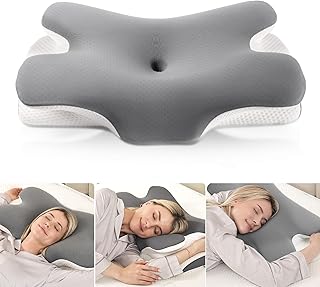
Memory foam pillows are designed to provide structured support and a shaped feel. Some feature a contoured design intended to support the head and neck, while others use a traditional pillow shape. They can be a useful choice for shoppers who prefer a more supportive sleeping surface and a pillow that maintains its shape.
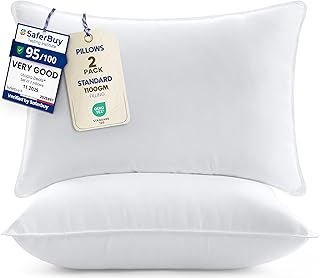
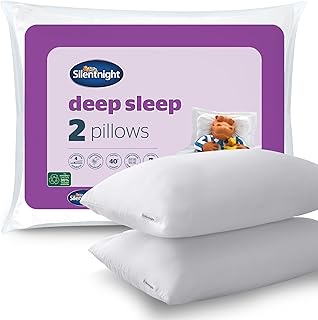
Microfibre pillows are popular for everyday bedrooms because they can offer a soft, lightweight feel at an accessible price. They are available in different thicknesses and firmness levels, making them suitable for a range of sleeping preferences. They are also a practical option when buying pillows for guest rooms or multiple bedrooms.
Down and feather-style pillows are known for their soft, mouldable feel. They can provide a traditional bedding experience and are available in different constructions to suit different preferences. Shoppers should check the filling and care instructions carefully when comparing these options.
Down alternative pillows can provide a soft, plump feel while using synthetic filling. They are worth considering if you want the comfort associated with a traditional fluffy pillow but prefer a non-down filling. Different products can vary considerably in loft, firmness and construction, so checking the specifications is recommended.
Start by thinking about your usual sleeping position. Side sleepers generally benefit from enough pillow height to maintain a comfortable head position, while back sleepers may prefer moderate support. If you sleep mainly on your front, a thinner pillow can often feel less restrictive. Combination sleepers may prefer an adaptable or medium-firm design that works across different positions.
Next, consider firmness. A soft pillow can feel comfortable if you prefer to sink into your bedding, whereas a firmer pillow may provide a more structured sensation. Medium-firm designs offer a useful compromise for households where preferences differ. Pillow height is equally important, particularly for side sleepers, so compare the product dimensions and loft information where available.
Before buying, check the pillow dimensions and compare them with your existing pillowcases. UK pillow sizes can vary by product and retailer, so relying on a product's stated measurements is better than assuming that every standard pillow has identical dimensions. If you are replacing several pillows at once, checking the dimensions across the complete set can help ensure a consistent fit.
Bedroom pillows do not all need to serve the same purpose. You may want supportive pillows for your main bedroom, softer options for occasional use and practical, easy-care pillows for a guest room. Children and teenagers may also have different comfort requirements, so always consider the intended sleeper and follow any relevant age or safety guidance supplied with the product.
Looking after your pillows can help maintain their comfort and appearance. Always follow the manufacturer's washing, drying and care instructions because different fillings require different treatment. Pillow protectors can add an extra layer between the pillow and pillowcase, while regular airing can help keep bedding feeling fresh. Replace pillows when they become permanently flattened, misshapen or uncomfortable.
When comparing pillows, look beyond appearance and consider filling, firmness, dimensions, construction, care instructions and the intended sleeping position. Sets can be convenient when furnishing multiple beds, while individual pillows may be preferable when you want to mix different support levels. Comparing these factors helps you choose bedding that matches your personal comfort requirements rather than simply selecting the first available option.
A pillow is a small part of your bedding but can have a significant effect on how comfortable your sleep environment feels. The right combination of height, firmness and filling can make your bed feel more supportive and personalised. Whether you are replacing an old pillow, furnishing a new bedroom or upgrading your existing bedding, taking time to compare pillow types can help you make a more informed choice.
Find the right pillow for a more comfortable night's sleep with a choice of styles, fillings, firmness levels and sizes to suit different sleeping preferences. Whether you prefer a soft pillow for a cosy feel, supportive memory foam for pressure relief or a practical microfibre option for everyday use, the right pillow can make a noticeable difference to your bedtime routine. This UK-focused pillow category guide explains the key differences between popular pillow types and what to consider before choosing.
| Pillow Type | Typical Feel | Suitable For | Key Consideration |
|---|---|---|---|
| Memory Foam | Supportive and structured | Sleepers wanting a shaped feel | Check height and firmness |
| Microfibre | Soft and lightweight | Everyday bedroom use | Compare loft and filling density |
| Down or Feather | Soft and mouldable | Traditional bedding preferences | Check filling composition |
| Down Alternative | Plush and fluffy | Those preferring synthetic filling | Compare construction and firmness |