

♥ Wishlist


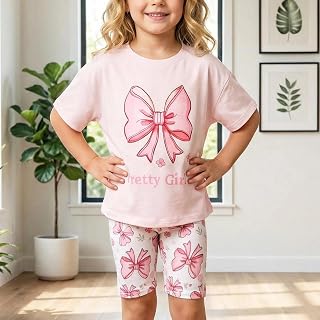









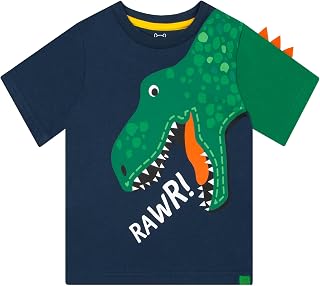


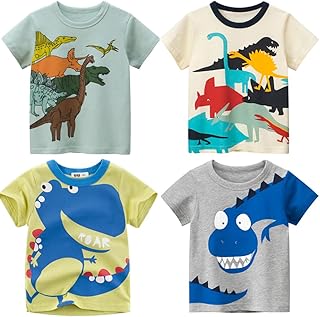


Finding the right products for children can make everyday routines more enjoyable, encourage creativity and support learning through play. The Kids category brings together a broad range of products designed around children's interests, activities and everyday needs. Whether you are looking for something entertaining for a rainy afternoon, an educational activity for home learning or a practical item for family life, this category provides a convenient starting point for exploring suitable choices.
For UK shoppers, choosing products for children often means balancing enjoyment, usefulness, quality and age suitability. Children develop quickly, so a product that suits one stage may not be appropriate for another. When comparing options, consider the child's age, interests, abilities and where the item will be used. For toys and games, think about whether the activity encourages imaginative play, problem-solving, movement or social interaction. For everyday products, look at functionality, ease of use and whether the design is appropriate for a child's routine.
Play is an important part of childhood, and the right toys can provide hours of entertainment while encouraging children to explore their imagination. Depending on age and interests, families may consider construction toys, pretend-play products, puzzles, board games, activity sets, outdoor toys and other recreational options. Classic games can also be a useful way to encourage children to spend time with siblings, parents and friends away from screens.
When selecting a toy or game, look beyond appearance and consider how the child is likely to interact with it. Open-ended products that can be used in different ways may provide longer-lasting entertainment, while structured games can introduce children to turn-taking, memory, counting and simple strategy. For younger children, always pay close attention to recommended age ranges and safety information.
Children can learn naturally through hands-on activities. Creative and educational products can help make learning more engaging by combining discovery with play. Art and craft activities, building sets, puzzles, books, educational games and experiment-style activities can all give children opportunities to practise concentration, creativity and problem-solving.
Parents and carers can choose activities according to a child's interests and current abilities. Younger children may enjoy simple matching, sorting and creative activities, while older children may prefer more challenging puzzles, construction projects, strategy games or subject-focused learning resources. Choosing activities that are neither too easy nor unnecessarily complicated can help maintain interest and give children a rewarding sense of progress.
Age is one of the most useful considerations when shopping for children. Products should be suitable for the intended age group and used according to the manufacturer's instructions. Younger children may benefit from simple designs that support sensory exploration and basic coordination, while school-age children can often enjoy more advanced games, creative projects and educational challenges.
Interests matter just as much. A child who enjoys building may prefer construction-based activities, whereas an aspiring artist may appreciate creative supplies. Children interested in outdoor play may respond well to active games and sports-related products. Matching a product to an existing interest can make it more likely to be used regularly and can help turn a simple purchase into a meaningful activity.
Online shopping makes it easier to compare children's products, but a few checks can help you make a more informed decision. Read the product description carefully and check dimensions where relevant, particularly for larger toys, storage products or equipment intended for use at home. Look for age guidance, materials, care instructions and any relevant safety information before making a purchase.
It is also worth considering how much space the product requires and how easy it will be to store after use. For family homes with limited storage, compact or multi-purpose products can be particularly practical. If buying a present, think about whether the child already owns similar items and whether the product matches their interests. Comparing features rather than choosing solely on appearance or price can help identify better-value options.
The Kids category can help families discover products for play, creativity, learning and everyday activities in one place. From entertaining games and imaginative toys to educational resources and practical children's items, there are many ways to choose something that fits a child's personality and routine. Take time to compare the available options, check suitability and consider how the product can be used before deciding.
Whether you are shopping for a birthday, Christmas, a special occasion or simply looking for something new to keep children engaged, focusing on age suitability, interests, usefulness and quality can make the selection process easier. Explore the available kids products to compare different options and find items suited to the children and activities that matter most to your family.
Finding the right products for children can make everyday routines more enjoyable, encourage creativity and support learning through play. The Kids category brings together a broad range of products designed around children's interests, activities and everyday needs. Whether you are looking for something entertaining for a rainy afternoon, an educational activity for home learning or a practical item for family life, this category provides a convenient starting point for exploring suitable choices. For UK shoppers, choosing products for children often means balancing enjoyment, usefulness, quality and age suitability. Children develop quickly, so a product that suits one stage may not be appropriate for another. When comparing options, consider the child's age, interests, abilities and where the item will be used. For toys and games, think about whether the activity encourages imaginative play, problem-solving, movement or social interaction. For everyday products, look at functionality, ease of use and whether the design is appropriate for a child's routine.